
How To
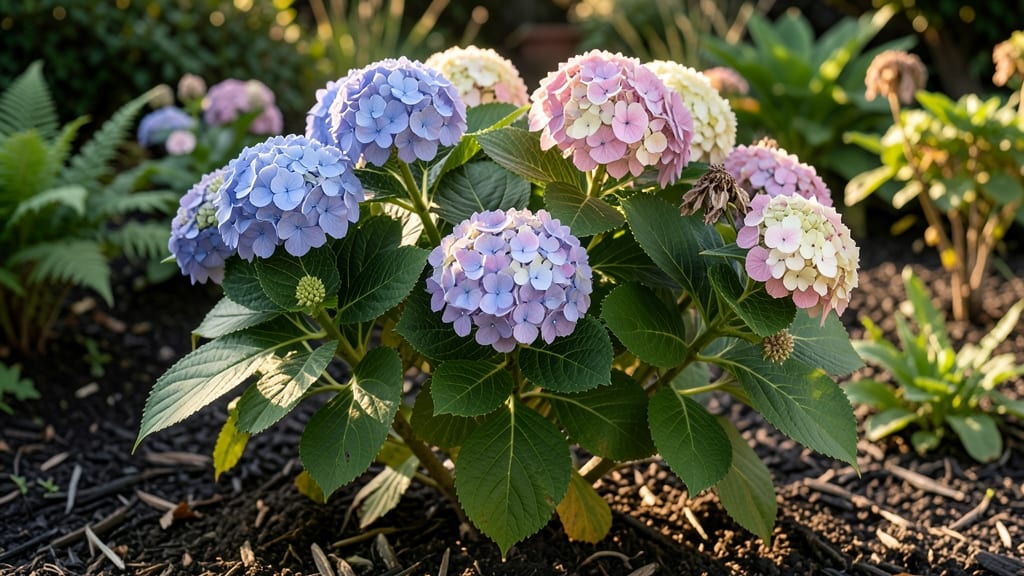
Hydrangeas typically bloom for 4 to 8 weeks, though this varies dramatically by variety and care practices. Late-season varieties like 'Endless Summer' can extend their display to 3 months with proper deadheading, while early bloomers often fade in just 2-4 weeks unless pruned strategically.
Understanding bloom duration starts with recognizing two key hydrangea categories: rebloomers and seasonal bloomers. 🌸 The latter—like 'Annabelle' or 'Grandiflora'—produce one spectacular show in late spring or early summer before fading, while rebloomers (such as 'Nikko Blue') reward you with two seasonal displays if you prune correctly.
Climate also plays a role: cooler regions may see shorter bloom cycles, while warmer zones can extend the season with consistent moisture and sunlight.
What truly transforms a 4-week display into a 3-month spectacle? It's not just deadheading—though removing spent blooms encourages new growth—but also pruning at the right time and maintaining proper soil pH. For instance, acid-loving hydrangeas thrive with a pH between 5.2 and 6.0, which directly impacts flower retention.
I've found that mulching around the base and watering deeply twice weekly during peak bloom keeps the plants hydrated and stress-free.
💡 In This Article
- Hydrangea Bloom Duration by Variety Type
- Extending Hydrangea Blooms: Pruning and Care Tips
Hydrangea bloom duration by variety type
The bloom duration of hydrangeas depends entirely on their classification. Seasonal bloomers, like the iconic 'Annabelle' or 'Grandiflora' varieties, produce flowers on old wood—last year's growth—and typically bloom for just 2 to 4 weeks in late spring or early summer.
These plants focus all their energy on a single, dramatic display before entering dormancy. 🌸 In contrast, reblooming hydrangeas (such as 'Nikko Blue' or 'Limelight') grow flowers on both old and new wood, allowing them to extend their show to 6 to 8 weeks—or even 3 months if cared for properly.
Climate zones further influence bloom longevity. In USDA Zones 5-7, cooler temperatures can shorten bloom cycles, while warmer Zones 8-9 often see prolonged displays due to extended growing seasons.
For example, 'Endless Summer' hydrangeas thrive in Zone 8 with blooms lasting 8-12 weeks, but in Zone 5, they may only sustain 6 weeks without extra care.
The key difference lies in how quickly the plant transitions from vegetative growth to flowering—warmer climates delay this shift, keeping blooms fresh longer.
What sets rebloomers apart is their ability to produce secondary blooms on new wood. After the initial spring display, these varieties develop buds on current season's growth, which mature in late summer.
This two-phase flowering is why 'Limelight' can produce two distinct bloom periods: one in early summer and another in late summer/fall. However, this requires precise pruning—cutting back too early removes next year's flower buds on old wood.
Soil conditions also play a hidden role. Hydrangeas are heavy feeders, and nutrient deficiencies (like low phosphorus) can shorten bloom duration. A balanced fertilizer with 10-10-10 NPK ratio applied in early spring provides the energy needed for sustained flowering.
Additionally, acidic soil (pH 5.2-6.0) enhances flower retention by preventing premature bud drop—a common issue in alkaline soils where blooms may last only 3-5 weeks instead of the expected 8.
Consider this comparison: 'Annabelle' hydrangeas (seasonal) produce 10-12 inch blooms that last 3 weeks in ideal conditions, while 'Nikko Blue' (rebloomer) offers 6-8 inch flowers but sustains them for 8-10 weeks with proper care.
The trade-off is between size and duration—something every gardener must weigh based on their landscape goals. 💫
For those in cooler climates, extending bloom duration often requires seasonal mulching. A 3-inch layer of pine bark mulch in early spring insulates roots, delaying dormancy and preserving blooms for 2-4 extra weeks.
This technique works particularly well for 'Grandiflora' varieties, which otherwise might fade after just 4 weeks in Zone 6 without this protection.