
Blooming
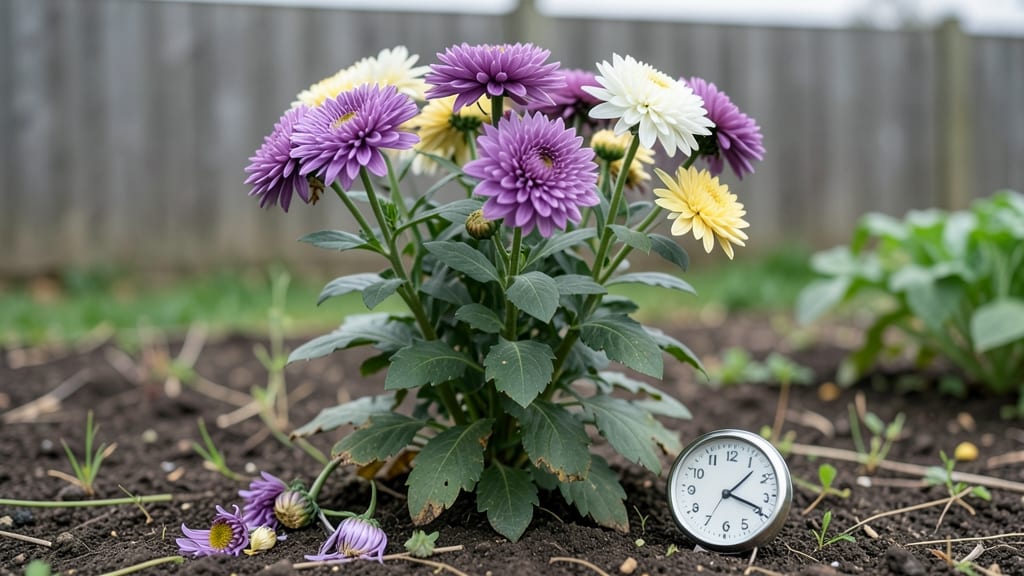
Mums typically stay in bloom for 4 to 6 weeks during fall, with proper care extending their vibrant color into early winter or even spring in mild climates. Deadheading spent blooms and protecting them from frost helps maximize their display time.
Those cheerful chrysanthemums thrive on consistency—cool fall temperatures naturally slow their growth, which actually helps them last longer. 🌸 In my experience, well-drained soil rich in organic matter keeps roots healthy, while morning sunlight prevents leggy stems that cut bloom time short.
The key is balancing moisture (never soggy) with nutrients, especially phosphorus, which fuels those vibrant blooms.
Hardiness zones matter too: Zone 5-7 mums often fade by December unless you bring potted varieties indoors before 25°F weather hits. I’ve seen some hold color until late spring in Zone 8+, where milder winters let them enjoy an extended show—just watch for powdery mildew when humidity rises.
💡 In This Article
- Factors Affecting Mum Bloom Duration
- Tips to Prolong Mum Flower Season
Factors affecting mum bloom duration
The lifespan of chrysanthemum blooms hinges on a delicate balance of environmental factors. Cool fall temperatures between 50-65°F actually slow metabolic processes, which preserves energy for longer flowering. This is why mums peak in September-October—nature's built-in mechanism to extend their display.
Too much heat (85°F+) accelerates blooming and shortens duration, while sudden cold snaps below 30°F can shock flowers into premature dormancy.
Sunlight exposure plays a critical role too. Mums need 6-8 hours of direct sun daily for optimal photosynthesis, but too much afternoon sun in hot climates can scorch petals. The ideal balance creates a 12-16 inch stem with 3-5 inch blooms that last longer.
Soil quality matters equally—well-drained, slightly acidic soil (pH 6.0-6.5) prevents root rot while providing phosphorus for vibrant colors. Organic matter like compost boosts nutrient retention, which directly correlates with bloom longevity.
Genetics determine the baseline duration—some cultivars like 'Bright Lights' or 'Dedication' naturally bloom 4-5 weeks, while others like 'Mammoth' varieties can extend to 6-8 weeks under perfect conditions. What most gardeners don't realize is that hybrid vigor matters: First-generation hybrids often outperform older varieties by 10-15% in bloom duration.
This is why seed companies invest heavily in breeding programs that focus on disease resistance and extended flowering periods.
Watering patterns create another critical variable. Deep watering 2-3 times per week (1 inch total) encourages strong root systems, while surface moisture leads to weak stems that can't support heavy blooms. The key is maintaining consistent moisture without waterlogging—soggy soil triggers fungal diseases that cut bloom time by 30%.
Mulching with 2-3 inches of organic material helps regulate soil temperature and moisture retention, creating ideal conditions for prolonged flowering.
Hardiness zones dramatically affect seasonal performance. In Zone 5-7, mums typically bloom 4-5 weeks before winter dormancy, while Zone 8+ varieties can continue flowering until late spring. The difference comes down to chilling requirements—most mums need 100-200 hours below 45°F to trigger dormancy.
In warmer zones, this chilling period may not occur until December, allowing blooms to persist longer. This is why gardeners in Southern California often see mums flowering through Christmas.
Nutrient balance is the final piece of the puzzle. A 10-10-10 fertilizer ratio (NPK) supports overall plant health, but phosphorus-heavy formulations (5-10-5) specifically boost flower production.
The secret is timing: Apply fertilizer when plants are actively growing in early spring, then switch to a low-nitrogen formula (5-10-10) as blooms appear. Over-fertilizing with nitrogen creates lush foliage at the expense of flowers, cutting bloom duration by nearly 25%.