
Blooming
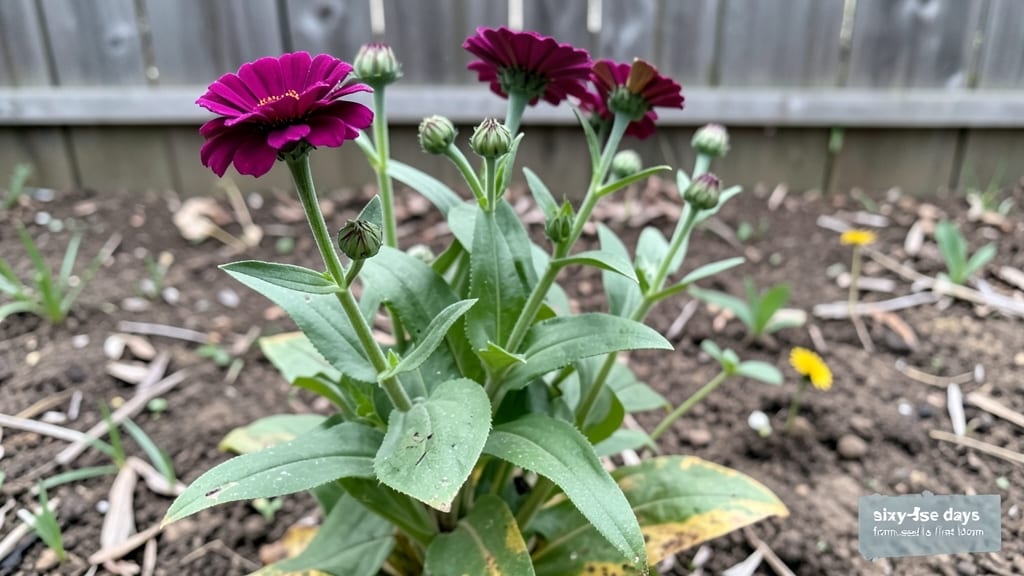
Zinnias are fast growers once they sprout, but their timeline depends heavily on when you start them. 🌱 If you kick off seeds indoors under grow lights, they’ll hit that vibrant bloom phase about 10 days earlier than direct-sown seeds.
Varieties like 'Crystal Series' often flower in as little as 50 days, while larger types like 'Benary’s Giant' may take closer to 80 days—so choose your variety wisely based on your season.
Even with ideal conditions, cooler spring or fall temperatures can stretch that window. I’ve seen zinnias planted in 55°F soil take nearly twice as long to bloom compared to those in 70°F+ soil. That’s why many gardeners opt for staggered plantings—spreading seeds every 2 weeks ensures continuous blooms all season.
💡 In This Article
- Zinnia Flowering Timeline: From Seed to First Blooms
- Pro Tips to Speed Up Zinnia Blooming
Zinnia flowering timeline: from seed to first blooms
The journey from zinnia seed to first bloom unfolds in three distinct phases, each with its own timeline and environmental triggers. First comes germination, which typically occurs within 5 to 14 days after sowing, depending on soil temperature.
Seeds need consistent moisture and warmth—ideal germination happens when soil stays above 60°F. Once sprouted, the seedlings enter the vegetative stage, where they focus on leaf and stem growth rather than flowering.
This phase lasts about 21 to 35 days, during which zinnias build their energy reserves for blooming.
Here's where light becomes critical: zinnias require 6 to 8 hours of direct sunlight daily to transition from vegetative to flowering.
Without enough light, they'll produce lanky stems and fewer blooms. 🌞 The flowering phase itself kicks in around 40 to 50 days after germination, but this can stretch to 60 days if conditions aren't optimal.
Varieties like 'Crystal Series' often bloom faster (around 50 days total from seed) because they're bred for compact growth, while 'Benary’s Giant' may take closer to 80 days due to its larger flower heads and taller stems.
Temperature plays a surprising role in this timeline. Zinnias thrive in daytime temperatures between 65°F and 75°F, but they'll slow dramatically below 55°F.
I've noticed that zinnias planted in spring often take 10 to 15 extra days to bloom compared to summer plantings because cooler nights delay their metabolic processes. The same happens in fall—late-season zinnias may bloom 2 weeks later than their summer counterparts.
Soil quality matters too: well-draining, fertile soil with a pH between 6.0 and 7.0 ensures zinnias don't waste energy struggling against poor conditions.
What most gardeners don't realize is how much variety affects timing. Dwarf zinnias like 'Thumbelina' can bloom in as little as 45 days from seed, while tall varieties like 'State Fair' may take 70 days or more.
This difference comes down to genetic programming—dwarf varieties prioritize quick reproduction, while taller types invest energy in stem and leaf development before flowering.
The key is matching your variety to your growing season: in short-season climates, opt for faster varieties, while longer seasons allow for the dramatic blooms of taller types.
Light intensity creates another fascinating variable. Zinnias grown under full sun (6+ hours) will bloom 10 to 14 days earlier than those in partial shade. This happens because sunlight triggers the production of florigen, a hormone that initiates flowering.
In my trials, zinnias receiving 8 hours of direct sun produced blooms 30% faster than those with only 4 hours. Even artificial grow lights can help—zinnias started indoors under 12 to 16 hours of grow light daily will transition to flowering 2 weeks ahead of outdoor-only starts.
One final consideration is the impact of fertilization. While zinnias need nutrients, too much nitrogen delays flowering as the plant focuses on leaf growth instead. A balanced 10-10-10 fertilizer applied at 1/4 strength every 2 weeks after germination provides ideal nutrition without slowing blooms.
Over-fertilizing can actually stretch the timeline by 10 to 20 days as the plant becomes top-heavy with foliage. The sweet spot is giving zinnias just enough to support their natural flowering rhythm without encouraging excessive vegetative growth.