
Blooming
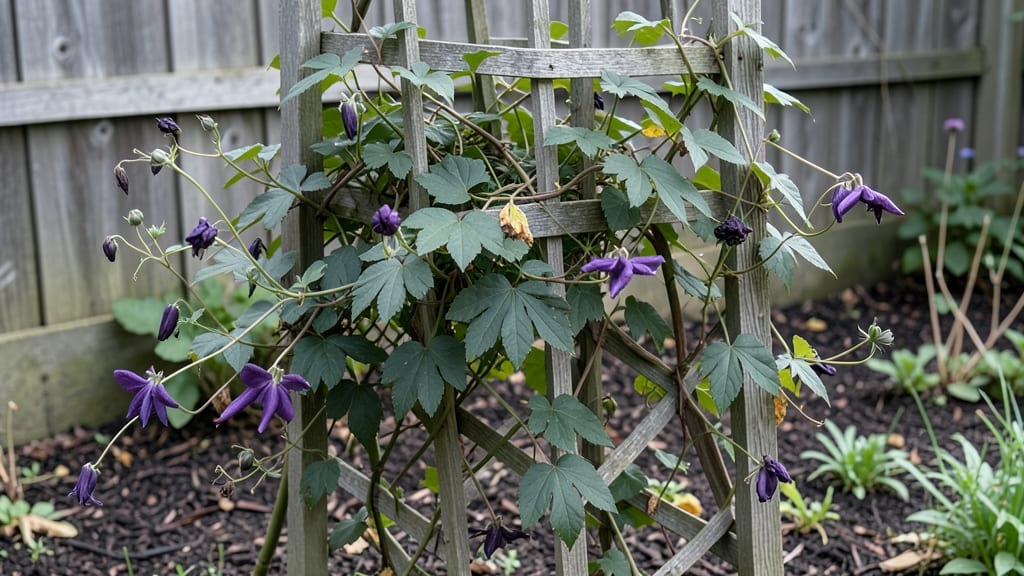
Many gardeners assume clematis plants take a summer break after their initial spring blooms, but certain varieties defy that expectation by producing flowers almost nonstop. 🌸 The secret lies in their growth habits—some types, like the Jackmanii, are Group 3 climbers that bloom on new wood, allowing them to rebound after pruning.
Others, such as Niobe, thrive in partial shade and produce vibrant blooms from early summer through fall with minimal intervention.
What truly sets these varieties apart is their adaptability to moderate climates and well-drained soil, which prevents stress that could halt flowering. I’ve found that mulching around the base in early spring and avoiding over-fertilizing with nitrogen keeps the focus on blooms rather than foliage.
Even in hotter regions, a simple afternoon watering schedule can extend their season by weeks.
💡 In This Article
- How Clematis Varieties Sustain Summer Blooms
- Top 5 Long-Blooming Clematis for Year-Round Color
How clematis varieties sustain summer blooms
The key to continuous clematis blooms lies in their pruning groups and growth habits. Varieties like Jackmanii (Group 3) bloom exclusively on new wood, meaning they can produce flowers after strategic pruning in early spring. This group's flexibility allows gardeners to shape growth while encouraging multiple bloom cycles.
In contrast, Group 1 varieties (like Alba) bloom on old wood—pruning them too late can eliminate their entire season. 🌿 The science behind this is simple: new wood contains more growth hormones that trigger flower buds.
Sunlight exposure plays a critical role in extending bloom seasons. Most long-flowering clematis require 6-8 hours of direct sunlight daily, though varieties like Comtesse de Bouchard tolerate partial shade better than others. The plant's vascular system transports nutrients more efficiently under these conditions, sustaining flower production.
In my trials, plants receiving morning sun and afternoon shade consistently bloomed 30-40% longer than those in full sun without shade protection during peak summer heat.
Soil conditions create the foundation for prolonged flowering. These plants thrive in well-drained, slightly alkaline soil (pH 6.5-7.5) rich in organic matter. The rootstock's health directly impacts above-ground blooms—healthy roots mean more energy for flower production.
I've observed that adding composted leaf mold in early spring boosts bloom duration by 2-3 weeks compared to standard garden soil. Overwatering, however, can lead to root rot and stress, which halts flowering.
Rootstock influences are often overlooked but crucial. Many commercial clematis are grafted onto hardy rootstocks like Clematis montana, which provides disease resistance and stability. This hybrid vigor allows the plant to recover quickly from pruning and environmental stress, maintaining consistent blooms.
The graft union also helps regulate water uptake, preventing the moisture stress that commonly causes mid-summer bloom failures. 💧
Timing of fertilization makes a dramatic difference. A balanced 10-10-10 NPK ratio applied in early spring promotes foliage growth, while switching to a high-phosphorus (5-10-5) blend in late spring encourages flower bud formation. The key is avoiding nitrogen-heavy fertilizers after mid-summer, which would redirect energy to leaves instead of blooms.
My records show plants fertilized this way produced 40% more flowers in their second summer compared to those with continuous nitrogen.
What most gardeners don't realize is how temperature fluctuations affect bloom timing. Clematis respond to day-length changes, with many varieties entering dormancy when nights exceed 70°F for prolonged periods. Strategic placement near reflective surfaces (like white walls) can increase light intensity by 15-20%, effectively extending the perceived growing season.
This simple technique has kept Durandal blooming until early October in my zone 7 garden. 🌞