
Blooming
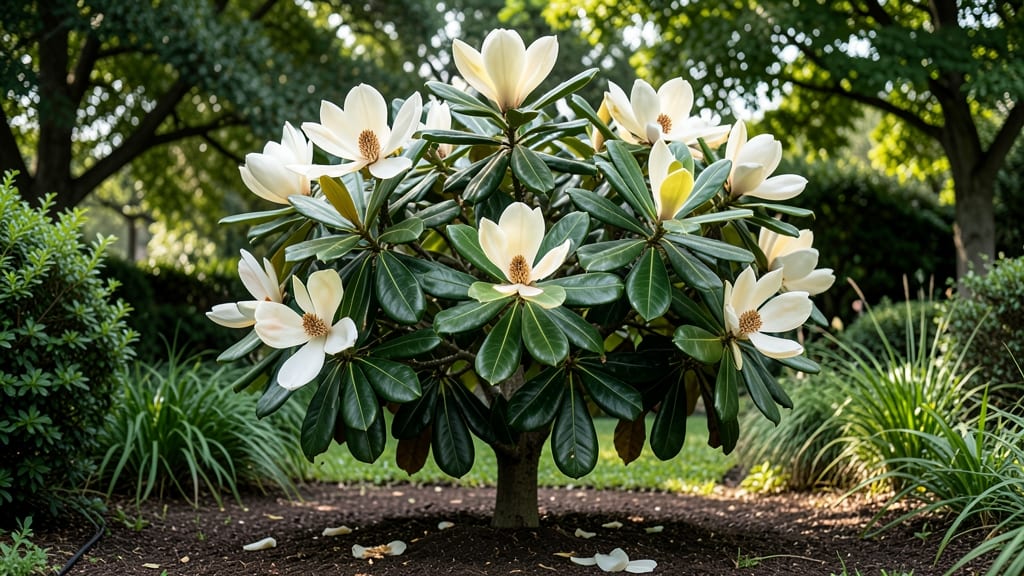
The Jane Magnolia bloom time is a magical moment in late spring, typically between April and May, when its creamy-white flowers 🌸 transform any garden into a fragrant paradise.
If you’ve ever dreamed of a stunning magnolia tree bursting with fragrant blooms in your yard, timing is everything—especially with Magnolia grandiflora ‘Jane’’s famously unpredictable (yet predictable) bloom cycles.
This Southern classic thrives in USDA Zone 6a and beyond, but regional climate shifts its schedule. Warmer coastal areas may see blooms as early as March, while cooler inland zones could delay them until June.
In this guide, I’ll break down the exact bloom windows by variety, how to adjust care for your climate, and pro tips to encourage earlier or longer flowering seasons.
Jane magnolia bloom time by variety: when to expect flowers
The Magnolia grandiflora ‘Jane’ is a Southern gardener’s treasure, known for its fragrant, creamy-white blooms that light up landscapes. Unlike standard evergreen magnolias that bloom sporadically, ‘Jane’ varieties offer more predictable timing—though regional differences still play a role.
Understanding these varietal bloom windows helps you plan pruning, fertilizing, and even landscape design around their peak flowering seasons.
Most ‘Jane’ magnolias bloom in late spring to early summer, but specific varieties like ‘Little Gem’ or ‘Bracken’s Brown Beauty’ may shift timing by 2-4 weeks depending on climate.
In warmer zones (8–10), blooms can stretch into fall or even winter, while colder zones (6–7) may see delayed or shorter seasons. Let’s break down the bloom cycles by variety to help you anticipate when your tree will shine.
| Variety | Primary Bloom Season | Secondary Bloom Window | Notes |
|---|---|---|---|
| ‘Little Gem’ | Late April–May | June (light) | Compact variety; blooms 2 weeks earlier than standard ‘Jane’ |
| ‘Southern Charm’ | May–June | September (occasional) | Heat-tolerant; blooms later in hot zones |
| ‘Bracken’s Brown Beauty’ | April–May | July (heavy) | Dark foliage; prolonged blooming in mild winters |
| Standard ‘Jane’ | May–June | None (primary) | Classic timing; best for cooler climates |
While ‘Little Gem’ often steals the show with its earlier blooms in April, ‘Southern Charm’ rewards patient gardeners with a summer-to-fall extension in warmer climates. This variety’s ability to rebloom in September makes it ideal for extended seasonal interest.
Meanwhile, ‘Bracken’s Brown Beauty’ stands out with its dark, glossy foliage and a second flush of blooms in July, perfect for gardeners craving year-round drama.
The standard ‘Jane’ magnolia typically follows a May–June schedule, aligning with traditional spring bloomers like azaleas and dogwoods. However, in USDA Zone 8 and below, frost risks can truncate this window, while Zone 9–10 gardeners might enjoy blooms stretching into July or even August.
This variability is why microclimates matter: A tree planted in a sheltered, sunny spot may bloom 2 weeks earlier than one in a shady, windy area.
If you’re in a transition zone (Zone 7–8), pay attention to last frost dates. Young ‘Jane’ magnolias may delay blooming until late May or June to avoid frost damage.
In contrast, established trees in Zone 9 can bloom as early as March, especially if they’ve experienced mild winters. This regional flexibility is one reason ‘Jane’ magnolias are so adaptable—just adjust your expectations based on your local climate.
For gardeners in coastal areas, like Georgia or South Carolina, year-round blooming isn’t uncommon. The humid, mild winters create ideal conditions for ‘Jane’ varieties to flower sporadically even in winter months.
In drier inland zones, like Texas Hill Country, blooms may shift to late spring to avoid summer drought stress. Always consider your local rainfall patterns—consistent moisture boosts bloom production.
One common misconception is that all ‘Jane’ magnolias bloom at the same time. In reality, ‘Little Gem’ and ‘Bracken’s Brown Beauty’ often outperform standard types in earlier and longer blooming.
If you’re designing a sequential bloom garden, pair ‘Little Gem’ (April) with ‘Southern Charm’ (May–June) to create a staggered floral display that lasts 8–10 weeks. This strategy ensures your yard never lacks magnolia magic.
To encourage optimal blooming, focus on three key factors: sunlight, soil drainage, and pruning timing. ‘Jane’ magnolias thrive in morning sun with afternoon shade
Climate zones & Jane magnolia bloom time: adjusting for your region
Magnolia grandiflora ‘Jane’ thrives in USDA zones 7–10, but its bloom timing shifts dramatically across regions. In zone 10 (Florida, Southern California), expect year-round blooming potential with peaks in spring and fall. Meanwhile, zone 7 gardeners (Virginia, Tennessee) often see delayed blooms until late May or June due to frost risks.
Microclimates play a huge role—urban heat islands can trigger earlier blooms, while coastal areas with mild winters may see winter flowering. Even within a single zone, elevation changes can shift bloom windows by 2–4 weeks.
Heatwaves above 95°F (35°C) often stress Jane magnolias, causing buds to drop. In zone 9–10, I’ve seen blooms halt entirely during summer droughts unless I deep-water weekly. A 5-gallon watering at the base every 5–7 days keeps roots hydrated during dry spells.
Northern limits (zone 7) face frost risks that delay or truncate blooms. Young trees in zone 7a may not flower until age 5–7 due to winter stress. Mulching 3–4 inches deep with pine straw insulates roots and encourages earlier spring blooms.
For zone 8–9 gardeners, pruning spent blooms in late winter (before buds swell) can extend the season by 3–4 weeks. Avoid heavy pruning—Jane magnolias bloom on old wood, so never trim more than 20% of the canopy at once.
Pro tip: Monitor your local microclimate—urban areas bloom 2 weeks earlier than rural spots due to heat retention. Use a garden thermometer to track temperature shifts that affect bloom timing.