
Blooming
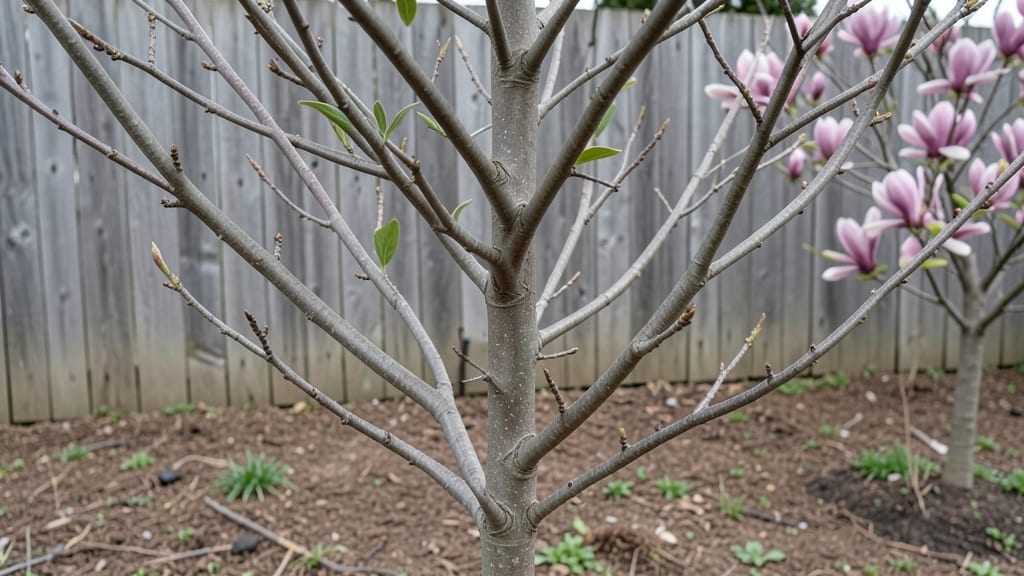
Your Jane magnolia tree not blooming could be a simple fix—or a sign it needs a little extra care. 🌿 I’ve watched my own Jane magnolia go from bare branches to a stunning display of fragrant white blooms after addressing just two overlooked issues.
The key is understanding whether it’s a matter of age, sunlight, or something more serious like pests or pruning mistakes.
Most gardeners assume magnolias bloom reliably once mature, but young trees (under 5 years old) often skip flowering entirely. Even older trees need full sun (6+ hours daily) and well-draining soil—shade or soggy roots can stall blooms completely.
I’ve seen trees recover within a single season after adjusting these basics, though patience is key for young specimens.
You’ll likely see buds form within 4-6 weeks of correcting light or soil issues, and the first blooms arrive in late April or May—just in time for that showstopping spring display.
For stubborn cases, targeted fertilizer or pest control can make all the difference, but we’ll tackle those specifics next.
This works for both newly planted and established Jane magnolias, though older trees may need a gentler approach. Let’s diagnose the real issue step by step—no guesswork required.
Root Causes Behind Missing Blooms
If your Magnolia grandiflora 'Jane' (commonly called the Jane Magnolia) is refusing to bloom, the issue likely stems from one—or a combination—of biological, environmental, or cultural factors.
Understanding these triggers is the first step toward revival. Below, we break down the science behind why this stunning evergreen might be holding back its floral display.
###
🌱 Insufficient Light Exposure
The Jane Magnolia thrives in full sun to partial shade, but too little light disrupts its flowering cycle. Magnolias require 6–8 hours of direct sunlight daily to trigger blooming hormones (florigen) via photosynthesis. Without adequate light:
- Weakened photosynthesis: The tree struggles to produce enough energy for flower buds, redirecting resources to leaf growth instead.
- Delayed dormancy: Insufficient light can confuse the tree’s internal clock, preventing it from entering the winter dormancy phase needed to set buds for spring.
- Thinning canopy or nearby structures: Tall buildings, dense shrubs, or overhanging branches can cast shade, even if the location seems sunny.
Pro Tip: 🌡️ If your tree is in a partially shaded spot, monitor its light exposure for a full day. Use a light meter (or the shadow test) to confirm sunlight hours. Prune competing foliage if needed.
###
❄️ Extreme Temperature Stress
Jane Magnolias are semi-tropical and sensitive to temperature extremes. Both late frosts and heatwaves can disrupt blooming:
- Late spring frosts: Magnolia buds are highly frost-sensitive. A hard freeze (<32°F/0°C) after buds form can kill them before they open. The tree may compensate by dropping buds and focusing on leaf growth.
- Summer heatwaves: Temperatures above 90°F (32°C) for prolonged periods can cause bud blast, where flowers form but then wither and fall off.
- Winter chill hours: Some magnolias need 300–500 hours below 45°F (7°C) to break dormancy. In warmer climates, insufficient chill can delay—or prevent—blooming.
Pro Tip: 🌡️ Use local frost date charts to time pruning or protect buds with frost cloth if late frosts are common. In hot climates, provide afternoon shade during peak summer.
###
💧 Watering and Soil Imbalances
Magnolias hate soggy roots but also despise drought stress. Both extremes send the tree into survival mode, prioritizing root and leaf health over flowering:
- Overwatering: Waterlogged soil cuts off oxygen to roots, leading to root rot (often caused by Phytophthora fungi). The tree diverts energy to repairing roots, stalling bloom production.
- Underwatering: Drought stress triggers the tree’s abscisic acid response, which signals buds to abort and conserve water.
- Poor drainage: Clay-heavy or compacted soil traps excess moisture, while sandy soil drains too quickly, both stressing the tree.
- Nutrient deficiencies: Low phosphorus (P) or potassium (K) levels limit flower development. A soil test can reveal imbalances.
Pro Tip: ✨ Test your soil’s pH (ideal: 5.0–6.5) and amend with compost or bone meal (for phosphorus) if needed. Water deeply 1–2 times per week (more in extreme heat) and ensure the soil drains well.
###
🍄 Pest or Disease Pressure
Hidden pests and pathogens can sap a magnolia’s energy, leaving it too weak to bloom:
- Scale insects and spider mites: These sap-suckers weaken the tree by reducing photosynthesis. Heavy infestations cause yellowing leaves and stunted growth.
- Magnolia scale (Neolecanium cornuparvum): A common pest that secretes honeydew, attracting sooty mold and further stressing the tree.
- Root rot (Phytophthora): Fungal infections from overwatering or poor drainage can kill roots, halting nutrient uptake needed for blooms.
- Bacterial leaf spot: Causes brown spots on leaves, reducing the tree’s ability to store energy for flowers.
Pro Tip: 🔥 Inspect leaves and bark for white cottony masses (scale) or tiny webs (mites). Treat with neem oil or horticultural oil. For root rot, improve drainage and avoid overhead watering.
###
🌿 Age or Pruning Mistakes
Jane Magnolias typically bloom in 5–10 years, but aggressive pruning or age-related decline can delay—or stop—flowers:
- Over-pruning young trees: Cutting back more than 25% of the canopy in one season removes next year’s flower buds (which form on old wood).
- Topping the tree: Severing the main stem encourages bushy but non-flowering growth.
- Old age: Mature magnolias (>30 years) may produce fewer blooms as energy shifts to seed production.
- Competition from suckers: If the tree sends up aggressive shoots from the base, it diverts resources away from flowers.
Pro Tip: 🎯 Prune only to shape the tree, never to "rejuvenate" it. Remove dead or crossing branches in late winter/early spring, but avoid heavy cuts. For suckers, cut them at the base with a clean pruner.
Once you identify the root cause, the next step is action—stay tuned for 5 science-backed fixes to coax your Jane Magnolia back into full bloom! 🌸
How to solve it
If your Magnolia grandiflora ‘Jane’ is skipping its usual spring floral show, don’t panic—there’s almost always a fix! The key is pinpointing the root cause (from the previous section) and applying the right remedy.
Below, we break down practical solutions tailored to each common issue, plus pro tips to keep your tree thriving long-term.
###
🌱 1. Insufficient Sunlight → Move or Prune Strategically
Jane magnolias crave 6–8 hours of direct sunlight daily, but shade from nearby trees, buildings, or even overgrown branches can stunt blooms.
- 🔥 Relocate the tree: If possible, transplant it to a sunnier spot during early spring or fall (avoid summer heat stress). Dig a hole twice as wide as the root ball and amend the soil with compost.
- 🍳 Prune obstructive foliage: Trim back overhanging branches from taller trees or shrubs casting shade. Use clean, sharp shears to avoid damaging the magnolia’s bark.
- 🌡️ Supplement with grow lights: For potted Jane magnolias, place a 15W LED grow light 12–18 inches above the canopy for 12 hours/day during winter.
💡 Prevention tip: Plant new magnolias 10+ feet from tall structures or use dwarf varieties (like ‘Little Gem’) if space is limited.
###
💧 2. Over/Under-Watering → Balance the Moisture
Magnolias hate soggy roots and drought stress—both can trigger bud drop or no blooms. Soil should stay consistently moist but well-drained.
- 👨🍳 Fix overwatering:
- Improve drainage by adding 3–4 inches of gravel at the bottom of the planting hole.
- Water deeply 2–3 times/week (instead of daily shallow watering) to encourage deep root growth.
- 🥘 Fix underwatering:
- Water slowly at the base (avoid wetting leaves to prevent fungal diseases). Use a soaker hose for even distribution.
- Mulch with 3–4 inches of wood chips to retain moisture and regulate soil temp.
- ⏰ Adjust for seasons: Reduce watering in winter (unless temps drop below 20°F) and increase in summer during heatwaves.
🎯 Prevention tip: Test soil moisture with your finger—if the top 2 inches are dry, it’s time to water.
###
✂️ 3. Poor Pruning Habits → Encourage Healthy Growth
Jane magnolias bloom on old wood, so aggressive pruning can remove next year’s buds. The goal? Shape, not shear.
- 🔪 When to prune:
- 🌸 After blooming (late spring): Remove dead, crossing, or weak branches at the branch collar (where the branch meets the trunk).
- ❄️ Winter (dormant season): Lightly shape the tree to improve airflow—never cut more than 25% of the canopy.
- 🚫 What to avoid:
- Topping the tree (cutting the main stem flat).
- Pruning in fall (encourages tender new growth that may frost-damage).
✨ Pro tip: Use sterilized pruners (wipe with rubbing alcohol) to prevent bacterial infections like anthracnose.
###
🌡️ 4. Temperature or Frost Stress → Protect Delicate Buds
Jane magnolias are semi-evergreen and sensitive to late frosts (<32°F) or extreme heat (>90°F). Buds can abort if shocked.
- 🛡️ Shield from frost:
- Cover young trees with a frost blanket on nights when temps dip below 28°F.
- Plant near a south-facing wall to absorb daytime heat and radiate warmth at night.
- 🌞 Beat the heat:
- Provide afternoon shade with a 30% shade cloth during heatwaves (remove in cooler months).
- Mulch heavily (up to 6 inches) to insulate roots.
- 🌱 Acclimate gradually: If moving a potted Jane magnolia outdoors, harden it off over 7–10 days by exposing it to increasing sunlight.
💡 Prevention tip: Choose microclimate-friendly spots—avoid low areas where cold air pools.
###
🍄 5. Pests or Disease → Treat Early, Prevent Often
Scale insects, spider mites, and fungal diseases like powdery mildew can sap energy needed for blooming. Act fast!
- 🐜 Identify the culprit:
- Scale/mites: Look for sticky residue (honeydew) or fine webbing on leaves.
- Fungal spots: Check for white powder (mildew) or black/brown lesions on leaves.
- 🔪 Treat naturally:
- Spray with neem oil (1 tbsp/quart water) or insecticidal soap for pests. Reapply every 7–10 days.
- Fungus? Use baking soda spray (1 tsp baking soda + 1 quart water + a drop of dish soap).
- 🌿 Boost immunity:
- Fertilize with low-nitrogen, high-phosphorus fertilizer (e.g., 5-10-10) in early spring to support blooms.
- Avoid overhead watering to reduce fungal spores.
🎯 Prevention tip: Inspect your magnolia weekly during growing seasons. Early intervention = easier fixes!
🌸 Final Reminder: Patience is key
Frequently asked questions
Why isn’t my Jane magnolia blooming after several years?
If your tree is over 5 years old, it may simply need time to mature—magnolias often take 5–10 years to establish blooming cycles. Check for environmental stressors like insufficient sunlight (6+ hours daily) or poor soil drainage, as these can delay blooms even in mature trees. A soil test can reveal nutrient deficiencies, especially low phosphorus, which directly impacts flowering.
Can I force my Jane magnolia to bloom faster?
While you can’t rush nature, you can optimize conditions to encourage blooms sooner! Start by ensuring full sun exposure and well-draining, slightly acidic soil (pH 5.0–6.5). Apply a balanced, phosphorus-rich fertilizer in early spring, and protect buds from late frosts (32°F) with frost cloth. Patience is key—you’ll likely see buds in 4–6 weeks if conditions improve.
What should I do if my Jane magnolia has scale insects?
Scale insects sap your tree’s energy, preventing blooms! Start by spraying with neem oil (1 tbsp per quart of water) or insecticidal soap every 7–10 days until the infestation clears. Prune heavily infested branches and dispose of them far from your garden. For severe cases, consider a horticultural oil spray. Regular inspections will help catch pests early before they disrupt blooming.
Is it too late to save blooms if my tree was pruned incorrectly?
If you pruned your tree in fall or winter (or cut back more than 25% of the canopy), you may have removed next year’s flower buds. However, if the pruning was done in late spring after blooming, your tree should still produce buds for next season. Focus on light pruning this year—just remove dead or crossing branches—and avoid heavy cuts until next winter.
How do I know if my Jane magnolia needs more phosphorus?
Look for small, weak leaves or delayed bud formation—both are classic signs of phosphorus deficiency. A simple soil test will confirm low levels. If confirmed, apply a low-nitrogen, high-phosphorus fertilizer (like a 5-10-10 blend) in early spring. You can also work bone meal into the soil around the tree’s drip line for a natural phosphorus boost.