
Blooming
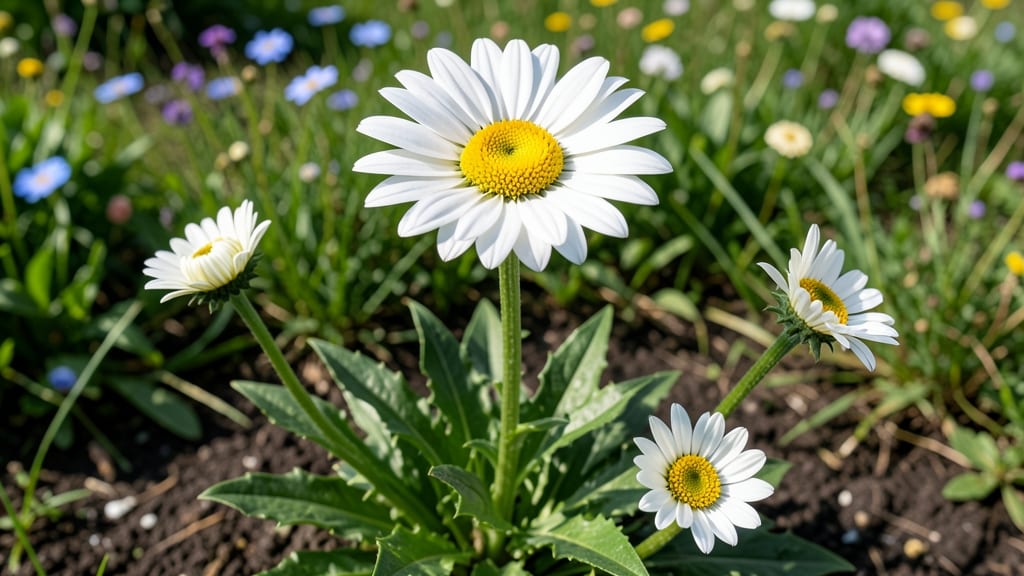
Your daisies will transform from fuzzy rosettes to cheerful spikes in just 6-8 weeks—if you time their care right during the daisy bloom season. 🌼 I’ve watched my Shasta daisies go from sleepy spring growth to summer-long blooms, and the secret isn’t luck—it’s matching their natural rhythm with simple seasonal tweaks.
Perennial varieties like Shastas and Gerber daisies bloom from mid-summer to frost, while annuals like African daisies peak in late spring to early summer. The key? Deadheading spent blooms keeps them producing, and a morning watering routine prevents mildew in humid zones.
Even my first-year garden went from patchy to showstopping after I started this. By late summer, you’ll have weeks of vibrant blooms—just prune back leggy stems in early fall to prep for next year’s growth.
Pair them with lavender or ornamental grasses for a cottage-garden look that lasts all season. Works for sun-drenched borders, container gardens, or even cutting arrangements. Let’s get those daisies blooming reliably every year!
📚 In This Guide
- What you need
- Instructions
- Tips and common mistakes
- Wrapping up and next steps
What you need
- ● Daisy plants (choose 3–5 varieties for comparison, e.g., Gerbera daisies, Shasta daisies, or Oxeye daisies)
- ● Garden journal or notebook (or a digital app like Gardenate or PlantNet)
- ● Permanent markers (for labeling plants by variety and planting date)
- ● Measuring tape (1–3 ft for tracking plant height)
- ● Digital camera or smartphone (for documenting growth stages)
- ● Garden stakes or flags (3–5 stakes, 6–12 inches tall, for marking individual plants)
- ● Gloves and knee pads (for comfort during frequent garden checks)
- ● pH testing kit (to monitor soil conditions affecting bloom time)
- ● Moisture meter (for precise watering adjustments)
- ● Growth light or timer (if extending bloom season indoors)
- ● Printed bloom timeline chart (for visual reference—templates available online!)
How to time daisy bloom seasons by variety
Here’s how I track daisy growth stages—from tight rosettes to showstopping blooms—so you never miss peak performance.
🌱 Step 1: Identify Your Daisy Variety’s Growth Habit
Daisies fall into two main bloom cycles: annuals (like Gerbera or African daisies) and perennials (Shasta, coneflowers, or oxeye). Annuals bolt straight to spikes in 6-8 weeks from seed, while perennials form a basal rosette first—waiting 2-3 months before flowering. Check your variety’s days-to-maturity label; that’s your first checkpoint.
I always mark my calendar 4 weeks before the expected bloom date. For perennials, this means watching for the second set of true leaves—that’s when roots establish enough to support flower buds. Annuals? You’ll see stems elongate overnight—that’s your signal to adjust watering (less now, more later).
☀️ Step 2: Adjust Light and Fertilizer for Spike Formation
Once your daisy reaches the 4-6 leaf stage, it’s time to shift care. Move plants to full sun (6+ hours daily)—this triggers the photoperiod response that kicks off blooming. If you’re growing in containers, rotate pots weekly to prevent lopsided stems. I’ve seen leggy daisies correct themselves in just 7 days with proper light exposure.
Fertilize lightly with a low-nitrogen, high-phosphorus feed (like 5-10-10) when you spot the first flower buds forming. Too much nitrogen now delays blooming—you’ll end up with foliage but no spikes. Watch for buds swelling at stem nodes; that’s your cue to reduce water slightly to harden stems before opening.
⏰ Step 3: Track Bloom Timing by Variety
Here’s the breakdown I swear by: Annual daisies (like Gerbera) bloom 8-12 weeks after sowing, while perennial daisies (like Shasta) take 90-120 days from seed to first spike. The key is monitoring stem elongation—when you see 3-4 inches of vertical growth, count back 21 days to estimate full bloom. I jot this in my garden journal to plan cuttings or deadheading.
For cut flowers, harvest when outer petals flatten but inner buds are still tight. This extends vase life by 3-5 days. If you’re growing for landscape impact, let 20-30% of blooms open naturally to maintain continuous color. Over-deadheading perennials can exhaust roots—you’ll know it’s too much when new growth stalls.
🌿 Step 4: Extend Bloom Season with Strategic Care
To prolong daisy blooms, deadhead spent flowers immediately after they fade—this prevents seed formation and redirects energy to new spikes. For perennials, I add a light mulch (1-2 inches) in late summer to insulate roots. This keeps soil temps stable, which is critical for fall reblooming in varieties like coneflowers.
Watch for bud drop—a sign of stress from inconsistent watering or temperature swings. If you’re in a hot climate, provide afternoon shade during 90°F+ spells. I’ve seen daisies recover in 48 hours with proper shade, but prolonged heat stress leads to weak stems that flop.
✂️ Step 5: Plan for Next Year’s Bloom Cycle
After the first frost kills annuals, dig up perennial daisy roots and divide clumps if they’ve grown overcrowded. I replant divisions in early spring—they’ll bloom 2-3 weeks earlier than seed-grown plants. For annuals, save seeds from your best blooms: let 5-10 flowers fully dry on the stem, then harvest and store in a cool, dark place until spring.
Label your divisions or seed packets with the original bloom date—this helps you predict next year’s timeline. I’ve found that daisies planted in late summer often bloom earlier the following spring because they establish roots during cooler months. It’s a simple trick that cuts wait time by 3-4 weeks.
Tips & tricks for perfect daisy bloom timing
Mastering the bloom cycle of daisies takes patience and precision—here’s how to fine-tune your approach for maximum impact.
Variety-Specific Countdown: The 4-week mark before expected bloom is your first critical checkpoint. For annuals like Gerbera, track the overnight stem elongation—when you see vertical growth, reduce water slightly to strengthen stems before they spike. Perennials need a different approach: watch for the second set of true leaves (not counting cotyledons) as a signal that roots are ready to support buds. This timing ensures you’re not caught off-guard when buds appear.
Light Exposure Secrets: In Step 2, when moving plants to full sun (6+ hours daily), pay attention to the 7-day adjustment period mentioned. If your daisies develop leggy stems, rotate containers weekly to encourage even growth. For container gardeners, consider using a reflective surface (like white gravel) beneath pots to maximize light exposure—this can shave 3-5 days off the time needed to trigger blooming.
Fertilizer Timing: The moment you spot first flower buds at stem nodes, switch to a low-nitrogen, high-phosphorus feed (5-10-10). Here’s the trick: apply fertilizer in the early morning to prevent leaf burn from heat stress. Too much nitrogen at this stage will leave you with lush foliage but no blooms—think of it as the plant’s last call to redirect energy from leaves to flowers.
Heat Stress Recovery: When temperatures hit 90°F+, provide afternoon shade to prevent bud drop. I’ve found that using lightweight shade cloth (30-50% coverage) instead of solid shade allows beneficial light penetration while protecting delicate buds. Most varieties recover within 48 hours of proper shade, but prolonged heat stress will weaken stems and reduce bloom quality.
Pro Tips for Daisy Bloom Season
- Mastering the bloom cycle of daisies takes patience and precision—here’s how to fine-tune your approach for maximum impact.
- Variety-Specific Countdown: The 4-week mark before expected bloom is your first critical checkpoint.
- Light Exposure Secrets: In Step 2, when moving plants to full sun (6+ hours daily), pay attention to the 7-day adjustment period mentioned.
Frequently asked questions
Got questions about daisy bloom season?
You’re not alone! Here are the most common queries gardeners have when planning for those cheerful petals. Whether you’re a first-time grower or a seasoned enthusiast, these answers will help you time your blooms perfectly.
When is the best time to plant daisies for optimal bloom season?
For most daisy varieties (like Gerbera or Shasta), plant seeds or transplants in early spring (after the last frost) or late summer (6–8 weeks before the first frost). Perennials like Oxeye Daisy thrive when planted in spring or fall, giving them time to establish roots before winter or summer heat. Pro tip: Check your USDA hardiness zone for variety-specific timing!
How long does it take for daisies to bloom after planting?
Bloom time varies by type:
- Annuals (e.g., Zinnia or African Daisy): 6–10 weeks from seed.
- Perennials (e.g., Coneflower or Black-Eyed Susan): 60–90 days from transplanting, often reblooming yearly.
- Cutting-garden varieties (e.g., Gerbera): 8–12 weeks for full spikes.
Troubleshooting: Slow growth? Ensure full sun (6+ hours/day) and well-draining soil—daisies hate soggy roots!
Can daisies bloom in partial shade, or do they need full sun?
Most daisies crave full sun (6+ hours/day) for vibrant blooms, but a few tolerate partial shade (3–6 hours):
- Shasta Daisy: Thrives in partial shade but may produce fewer flowers.
- Oxeye Daisy: More shade-tolerant; ideal for woodland gardens.
- African Daisy: Needs bright light to prevent leggy stems.
Warning: Too little light = sparse blooms or weak stems that flop. Test your spot with a sun gauge for 24 hours!
Why did my daisies bloom once and then stop? How do I encourage reblooming?
Many daisies are one-and-done annuals (e.g., Gerbera), but perennials like Coneflower or Black-Eyed Susan can rebloom with the right care:
- Deadhead spent blooms regularly to redirect energy to new flowers.
- Water deeply (1–1.5 inches/week) but avoid overhead watering to prevent fungal diseases.
- Fertilize lightly with a balanced 10-10-10 mix after the first bloom.
- Trim back 1/3 of the plant in early spring to stimulate new growth.
Pro tip: Some varieties (like Gerbera) are not rebloomers—choose Echinacea or Rudbeckia for repeat performances!
What’s the best alternative if my daisies aren’t blooming on time?
If your daisies are lagging, try these low-maintenance bloomers with similar charm:
- Zinnias: Fast-growing (4–6 weeks to bloom), drought-tolerant, and great for cut flowers.
- Cosmos: Self-seeding annuals that thrive in poor soil and bloom all summer.
- Marigolds: Pest-repellent and heat-loving; perfect for containers or borders.
- Sunflowers: Bold and quick (some varieties bloom in 30 days!).
Swap tip: Pair daisies with Lavender or Salvia for a fragrant, pollinator-friendly combo!
Wrapping up and next steps
Watching your daisies transform from tight rosettes to vibrant blooms is a rewarding journey—each variety unfolds on its own schedule, but with the right care, you’ll enjoy a stunning daisy bloom season year after year! 🌼 Whether you’re growing cheerful gerbera daisies, classic oxeye daisies, or delicate shasta daisies, understanding their growth timeline helps you plan for show-stopping displays.
Now that you’re armed with insights, take the next step: grab your gardening gloves and give your daisies the love they deserve! Start by monitoring their progress, adjusting care as needed, and soon, you’ll be surrounded by a sea of color. Happy gardening!