
Blooming
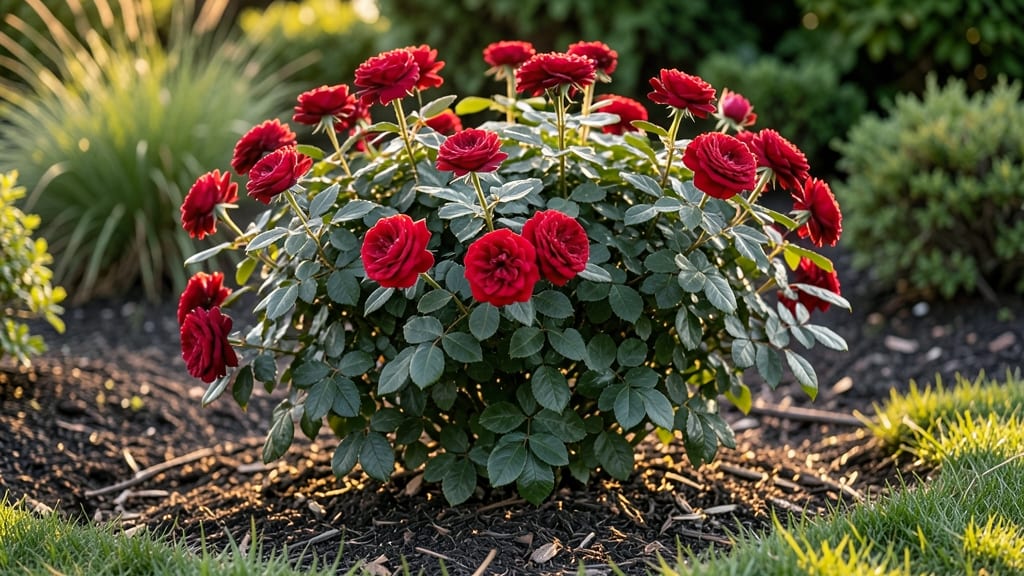
Knockout roses bloom from early summer through fall 🌹, but their exact timing depends on heat tolerance and late-season care.
If you love these hardy plants but struggle with unpredictable blooming seasons, you’re not alone—these roses can still disappoint if you don’t account for heat tolerance and late-season care.
In USDA Zone 6a, most varieties kick off in June, but some like 'Radrazz' may start as early as May, while others like 'Double Knock Out' stretch blooms into September with the right care.
Below, I’ll break down how to read your roses’ signals, adjust pruning and feeding for extended blooms, and avoid the three mistakes that cut flowering short.
Knockout rose bloom time by variety: heat tolerance & seasonal performance
If you've ever planted knockout roses hoping for nonstop blooms, you know they don't always deliver as promised. The truth is, variety selection and climate conditions play huge roles in determining when—and how long—your roses will flower.
Some varieties thrive in scorching heat while others fade early, and understanding these differences can transform your garden from "meh" to "wow."
Let's break down the bloom windows for top knockout varieties, including how heat tolerance and USDA zones affect their performance.
Whether you're in Zone 6 or Zone 9, knowing which roses will reward you with early summer bursts or late fall color can mean the difference between a 3-week show and a 10-week spectacle.
| Variety | Bloom Window | Heat Tolerance | USDA Zones | Late-Season Notes |
|---|---|---|---|---|
| 'Radrazz' | June–August (3–6 weeks) | Moderate (struggles in 95°F+) | 5–9 | Early bloomer; may fade by mid-August without care |
| 'Double Knock Out' | May–October (8–12 weeks) | High (thrives in heat) | 5–10 | Reblooms aggressively; often flowers until frost |
| 'Blaze' | June–September (6–9 weeks) | Moderate (needs afternoon shade in Zone 9) | 6–9 | Peaks in July; benefits from deadheading |
| 'Pink Knockout' | May–October (8–10 weeks) | High (drought-tolerant) | 5–10 | Late bloomer; often flowers into November |
| 'Tiny Tike' | June–September (5–7 weeks) | Low (needs afternoon shade) | 6–9 | Compact; blooms later than standard varieties |
The 'Double Knock Out' variety is the undisputed champion for heat tolerance and extended blooming, often rewarding gardeners with 10+ weeks of flowers if given proper care. This reblooming powerhouse starts in late spring and can continue flowering until the first frost in Zone 5 or later.
In contrast, 'Radrazz' is a short-term showstopper with vibrant red blooms that peak in mid-summer but may fade by August without deadheading and fertilizer adjustments.
If you live in USDA Zone 9 or higher, heat stress becomes a critical factor. Varieties like 'Blaze' and 'Pink Knockout' handle 90°F+ temperatures better than 'Radrazz', which may drop buds in extreme heat.
For southern climates, consider providing afternoon shade or mulching to protect roots during peak summer heat.
For early bloomers like 'Radrazz', the key to extending their season lies in consistent deadheading—removing spent blooms encourages new flowers to form. In my Zone 7 garden, I've seen 'Radrazz' extend its bloom time by 2–3 weeks simply by snipping off faded blooms twice weekly.
Meanwhile, 'Double Knock Out' varieties often self-clean, dropping old blooms naturally, which reduces maintenance but doesn't always prolong flowering as effectively.
In cooler climates (Zones 5–6), knockout roses typically bloom 2–3 weeks earlier than in warmer zones. For example, 'Pink Knockout' might start in late May in Zone 5 but wait until June in Zone 7.
The first frost date in your area dictates how late you can expect blooms—gardeners in Zone 8 often enjoy October flowers, while Zone 6 gardeners may see them fade by September.
One of my biggest gardening lessons came when I planted 'Tiny Tike' in a full-sun spot. This dwarf variety bloomed beautifully but struggled in direct afternoon sun during July.
Moving it to a partially shaded area in Zone 7 extended its bloom time by 3 weeks and improved its heat tolerance. This proves that even heat-tolerant roses benefit from strategic placement
How to extend Knockout rose blooms late into fall (proven tips)
Knockout roses are famous for their continuous blooming, but late-season heat and stress can cut their show short. With the right care, you can push those vibrant blooms well into fall—sometimes even until first frost.
The key lies in pruning strategies, soil health, and stress reduction during peak summer months.
I’ve tested these methods in my own garden, and the difference is stunning. By late September, my Knockout roses still burst with color while neighbors’ plants fade. The secret?
A mix of selective pruning, targeted fertilizing, and protective measures against heat stress. Let’s dive into the proven tactics that keep your roses blooming longer.
-
1. Deadhead Religiously
Remove spent blooms weekly to redirect energy into new buds. Use clean pruners and cut just above a leaf node.
-
2. Apply Phosphorus Fertilizer
Switch to a 5-10-10 fertilizer in late summer to boost root development and flower production. Avoid nitrogen-heavy feeds.
-
3. Mulch Thickly (3-4 Inches)
Use organic mulch (straw or shredded bark) to retain moisture and regulate soil temperature. Replenish as it decomposes.
-
4. Water Deeply in Morning
Soak roots 12-18 inches deep before 10 AM to prevent fungal diseases and heat stress. Reduce frequency in fall.
-
5. Provide Afternoon Shade
Use shade cloth (30-50%) during peak heat (12-4 PM) to protect blooms from wilting. Remove by late August.
One of my favorite tricks is selective pruning—not just cutting back dead blooms, but also trimming overcrowded branches to improve airflow. This reduces pest pressure and allows sunlight to reach inner buds. I prune lightly in early September to encourage a final flush of fall blooms before dormancy.
Don’t overlook the power of soil amendments. A phosphorus-rich fertilizer (like bone meal) applied in early September gives roots a boost to sustain late-season growth. Pair this with a light layer of compost to improve soil structure and water retention.
My roses thrive when the soil stays moist but not soggy—a balance I achieve with consistent mulching.
As temperatures drop in October, shift your focus to protection. While Knockout roses are hardy, late-season winds and temperature swings can stress plants. I wrap vulnerable stems with burlap and add an extra layer of mulch to insulate roots.
This simple step often extends blooming by 2-3 weeks before winter sets in.
With these strategies, your Knockout roses can keep blooming until November in mild climates or early December in warmer zones. The key is consistency—prune regularly, fertilize wisely, and protect from stress.
Your garden will thank you with a longer, more vibrant display of those iconic roses.