
Blooming
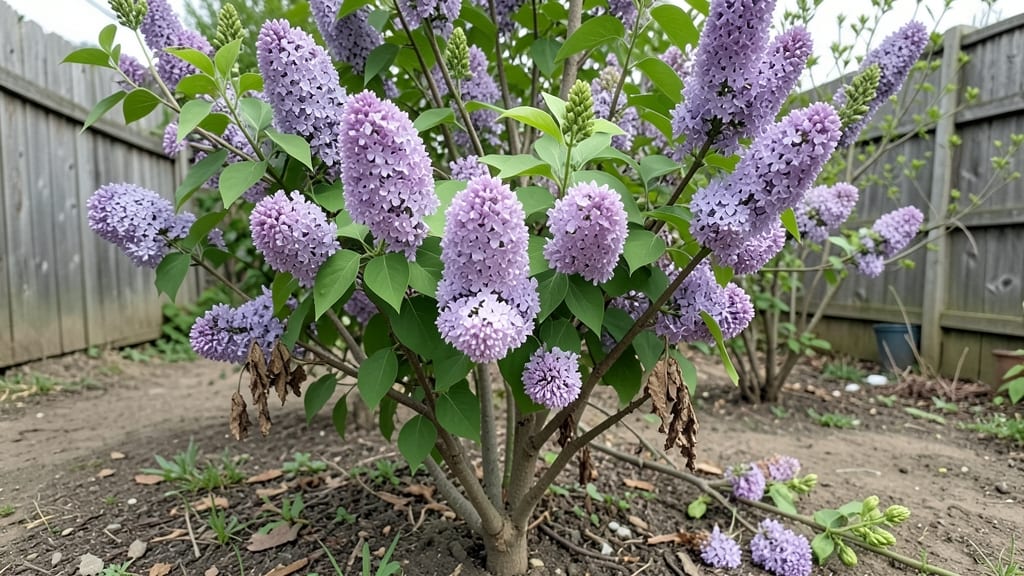
Lilac blooms twice a year when grown in the right climate and care conditions, as certain varieties like 'Bloomerang' or 'Katherine Havemeyer' naturally produce two flushes of flowers per season with proper pruning and soil management.
This phenomenon happens because certain lilac varieties have been selectively bred to respond to seasonal cues like temperature shifts and daylight changes. 🌸 For example, 'Bloomerang' lilacs are specifically engineered to produce a second flush of blooms in late summer, while traditional types typically flower just once in spring.
The key lies in their genetic makeup—these reblooming types store energy differently, allowing them to recover and produce flowers again after their initial bloom.
Proper care amplifies this natural tendency. I’ve found that consistent pruning after the first bloom—cutting back about one-third of the oldest stems—helps redirect energy toward new growth. Pair that with well-draining soil and regular watering, and you’ll give your lilac the best chance to put on a second show.
The right balance of nutrients, especially phosphorus, also plays a crucial role in encouraging those late-season flowers.
💡 In This Article
- Lilac Varieties That Naturally Bloom Twice
- Pruning and Soil Tips to Encourage Reblooming Lilacs
Lilac varieties that naturally bloom twice
Here's what sets reblooming lilacs apart: these cultivars have been selectively bred to produce two distinct flower flushes per season, unlike traditional lilacs that bloom just once in spring.
The 'Bloomerang' variety, for example, is a hybrid developed specifically for its ability to rebloom in late summer—typically around August—after its initial spring display.
This happens because its genetic makeup allows it to store more carbohydrates in its roots and stems, providing the energy needed for a second flowering cycle. 🌸
The 'Katherine Havemeyer' lilac is another standout, known for its fragrant, lavender-blue blooms that appear in both spring and late summer.
What makes this variety unique is its ability to respond to specific temperature triggers—dropping below 50°F at night after the first bloom signals the plant to prepare for its second flush. In contrast, single-bloom lilacs like 'Sensation' or 'Mme.
Lemoine' rely on a single burst of energy in spring and lack the stored reserves needed for a second round.
Daylight changes also play a crucial role. Reblooming varieties often require 14-16 hours of daylight during their growth phase to stimulate flower buds, while single-bloom types typically thrive with shorter daylight periods.
The 'Dwarf Korean' lilac, for instance, produces compact clusters of fragrant blooms twice yearly and thrives in cooler climates where these daylight variations are more pronounced. This variety's dwarf stature makes it ideal for smaller gardens while maintaining its reblooming habit.
What most gardeners don't realize is that these reblooming types require slightly different care than their single-bloom counterparts.
For example, while traditional lilacs can handle heavier pruning, rebloomers need gentler maintenance—cutting back only one-third of the oldest stems after the first bloom to preserve the energy reserves needed for the second flush.
The 'Bloomerang' series, in particular, benefits from this approach, as aggressive pruning can reduce or eliminate its second bloom entirely.
Another key difference lies in their fragrance profiles. Reblooming varieties like 'Miss Kim' (a dwarf Korean type) often have more intense, sweet fragrances that develop fully in both bloom cycles. This is because their genetic structure allows for continuous oil production in the flower petals throughout the season.
In contrast, single-bloom lilacs typically have their strongest fragrance only during their initial spring flowering.
If you're considering adding reblooming lilacs to your garden, start with 'Bloomerang' for its reliable second flush or 'Katherine Havemeyer' for its classic fragrance and color. Both thrive in USDA zones 3-7 and prefer full sun to partial shade.
The secret to their success lies in their ability to balance energy storage with seasonal cues—something traditional lilacs simply can't match. 💫