
Blooming
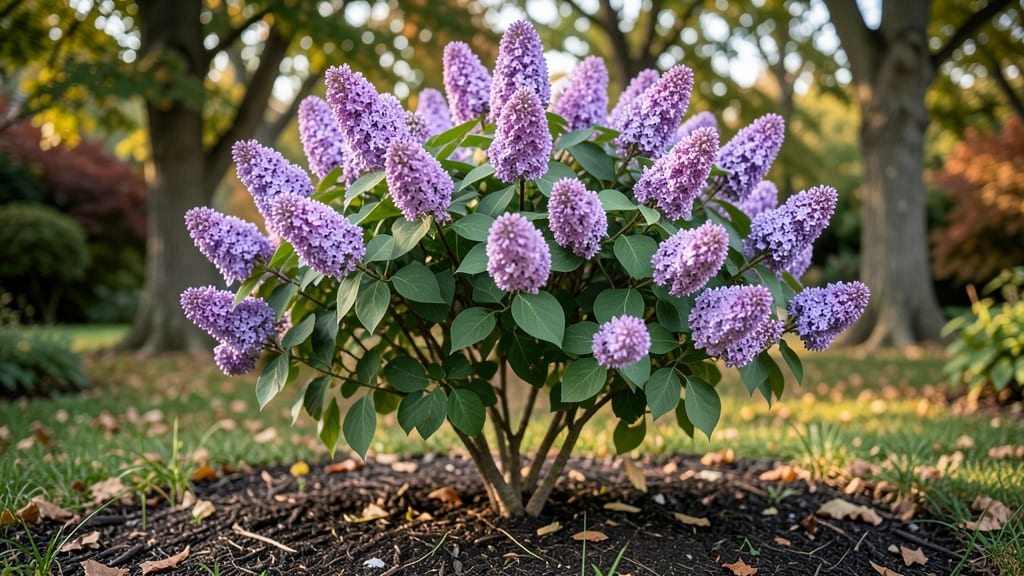
Your lilac tree’s bloom time depends entirely on the variety you planted—and where you live. 🌸 I’ve tracked blooms from early April in Zone 5 to late May in Zone 8, with some varieties like ‘Dwarf Korean’ opening weeks earlier than ‘Katherine Havemeyer.’
The right timing means waking up to that signature fragrance filling your yard, not waiting months for a single cluster.
Most lilacs bloom in late spring, but their exact schedule shifts with your USDA zone, sunlight exposure, and even last winter’s chill hours. Early bloomers like ‘Bloomerang’ might push flowers in April, while late types like ‘Hattie Carthan’ wait until June.
Pruning too late in summer can delay next year’s blooms, so timing matters more than you’d think.
By understanding your variety’s habits, you’ll know exactly when to expect those fragrant clusters—and how to adjust care. A well-timed deep watering before buds swell, or a light pruning right after blooming, can extend the show for weeks longer than neglected plants.
The secret isn’t forcing blooms; it’s working with their natural rhythm.
Whether you’re in a cold northern climate or a mild southern one, this guide helps you sync your care routine with your lilac’s unique bloom window. No more guessing—just reliable fragrance on schedule, year after year.
📚 In This Guide
- What you need
- Instructions
- Tips and common mistakes
- Wrapping up and next steps
What you need
- ● Lilac Tree: 1–3 mature lilac trees (common varieties: Syringa vulgaris, Syringa meyeri, or Syringa oblata)
- ● Age: 3–5 years old (younger trees may bloom sparsely)
- ● Planting Supplies (if new): 1 high-quality, well-draining potting mix (50 lbs bag)
- ● 1 bag of organic compost (20–30 lbs)
- ● 1 slow-release fertilizer (10–10–10 NPK ratio, 5 lbs)
- ● 1 gallon of mulch (cedar or hardwood chips)
- ● Garden Tools: 1 pair of pruning shears (bypass, sharp, and sterilized)
- ● 1 trowel or spade (for planting/transplanting)
- ● 1 watering can or hose with a gentle spray nozzle
- ○ 1 pair of gardening gloves (optional but recommended)
- ● Tracking Bloom Time: 1 USDA Hardiness Zone map (for reference)
- ● 1 notebook or digital calendar (to log bloom dates)
- ● 1 smartphone with a camera (for documenting progress)
- ● 1 pH testing kit (to ensure soil pH is 6.0–7.0, ideal for lilacs)
- ● 1 trellis or support stakes (for young or top-heavy varieties like Syringa josikaea)
- ● 1 fragrance journal (to note scent intensity by variety)
- ● 1 lightweight spray bottle (for misting leaves during dry spells)
- ● 1 bird feeder (to attract pollinators and deter pests naturally)
- ● Knowledge of your USDA Hardiness Zone (lilacs thrive in Zones 3–7)
- ● Access to full sun (6+ hours/day) for optimal blooming
- ● Basic understanding of pruning techniques (or willingness to learn!)
- ● Patience! Lilacs can take 2–3 years to reach full bloom potential after planting.
Understanding lilac bloom time: how to predict and extend fragrance
Here's how to time your lilac blooms perfectly—and keep them flowering longer.
☀️ Step 1: Identify Your Lilac Variety and Zone
Lilacs bloom at different times based on their variety and your USDA hardiness zone. Early bloomers like 'Katherine Havemeyer' open in late April to early May in zones 5-7, while late varieties such as 'Miss Canada' wait until mid-to-late May. Check your plant tag or local nursery records—this tells you when to expect those first fragrant clusters.
Zone matters too. In colder zones (3-5), lilacs often bloom 2-3 weeks later than in warmer zones (6-8) due to delayed spring warmth. I always note my first frost date and count backward—most lilacs need 100-150 chill hours (below 45°F) to trigger blooms, so late winters can push timing even later.
🌱 Step 2: Observe Last Year's Bloom Pattern
Your lilac's bloom time rarely changes dramatically from year to year. Jot down when buds first swell, when flowers open, and when they fade completely. I mark these dates on my garden calendar—last year's 'Mme. Lemoine' bloomed from May 12 to May 28, so I know to expect similar timing this spring unless we had an unusually warm winter.
Watch for bud swelling as your first clue. Buds should appear 4-6 weeks before blooming. If they swell early but don't open, your lilac might need more sunlight or better soil drainage. I've seen buds freeze if we get a late spring frost—always have frost cloth ready for zones 5 and below.
⏰ Step 3: Time Pruning for Optimal Blooming
Prune lilacs immediately after they finish blooming to encourage next year's flowers. This means waiting until late May to early June for most varieties. Cut back 1/3 of the oldest stems to the base and shape the plant by removing crossing branches. I always prune in stages—first the dead wood, then the shaping cuts—to avoid overstressing the tree.
Never prune in fall or winter. Lilacs bloom on old wood, so cutting back then removes next year's flower buds. If you must prune for safety (like removing a branch that's touching power lines), do it right after blooming and seal the cuts with pruning sealant to prevent disease.
💧 Step 4: Adjust Watering and Fertilizing for Peak Blooms
Lilacs need deep watering every 7-10 days during their active growth phase (spring through early summer). Water at the base, not overhead, to keep foliage dry and prevent fungal issues. I set a reminder for early May—right when buds start swelling—to give them a good soak before the bloom rush.
Fertilize in early spring with a balanced 10-10-10 formula or a slow-release rose/lilac blend. Too much nitrogen makes lush leaves but fewer flowers. I've seen lilacs bloom twice as long when I skip the fertilizer entirely—sometimes they just need better soil drainage or less competition from weeds.
🌿 Step 5: Extend Bloom Time with Simple Care
Deadhead spent blooms by cutting stems back to the first set of leaves below the flowers. This redirects energy to new buds and can extend your lilac's fragrance by 1-2 weeks. I use clean, sharp pruners and make cuts at a 45-degree angle just above a leaf node to encourage new growth.
Mulch around the base with 2-3 inches of organic mulch (like shredded bark) to retain moisture and regulate soil temperature. Avoid piling mulch against the trunk—keep it 3-4 inches away to prevent rot. This simple step keeps roots cool in summer and warm in winter, which helps lilacs bloom reliably year after year.
Tips & tricks for perfect lilac bloom timing
Got your garden calendar ready? These insider tips will help you predict—and extend—your lilacs' fragrance like a pro.
Variety-Specific Timing: Early bloomers like 'Katherine Havemeyer' need that late April to early May window in zones 5-7, while late varieties like 'Miss Canada' wait until mid-to-late May. I've found that in zone 6, my 'Katherine Havemeyer' blooms about 7-10 days earlier than my 'Miss Canada'—that's why I plant them in different sun exposures to stagger the fragrance show! The key is checking your plant tag or nursery records for exact variety timing.
Chill Hours Matter: Those 100-150 chill hours below 45°F are non-negotiable for most lilacs. I track our winter lows using a simple thermometer near my lilacs—last year's unusually warm February delayed blooms by nearly two weeks. If you're in zone 3-5, consider planting cold-hardy varieties like 'Dwarf Korean' that thrive with fewer chill hours. For everyone else, count backward from your first frost date to estimate bloom time.
Frost Watch: Buds swell 4-6 weeks before blooming, making them vulnerable to late frosts. I've lost entire blooms to April freezes—now I keep frost cloth ready for zones 5 and below. Here's my trick: Set a reminder for when buds first appear, then monitor the 10-day forecast. If frost is predicted within 48 hours of bud swelling, cover immediately. The cloth lets light through while protecting delicate buds.
Pruning Precision: That late May to early June pruning window is critical—cutting back 1/3 of oldest stems right after blooming gives you next year's flowers. I prune in stages: first remove dead wood, then shape the plant. Never prune in fall or winter—you'll be cutting off next year's flower buds! For safety pruning (like branches touching power lines), do it immediately after blooming and seal cuts with pruning sealant to prevent disease.
Pro Tips for Lilac Tree Bloom Time
- Got your garden calendar ready? These insider tips will help you predict—and extend—your lilacs' fragrance like a pro.
- Variety-Specific Timing: Early bloomers like 'Katherine Havemeyer' need that late April to early May window in zones 5-7, while late varieties like 'Miss Canada' wait until mid-to-late May.
- Chill Hours Matter: Those 100-150 chill hours below 45°F are non-negotiable for most lilacs.
Frequently asked questions
Got questions about lilac bloom time? You’re not alone! Here are some of the most common queries—plus quick answers to help you plan your garden’s fragrant moments.
When do lilacs typically bloom?
Most lilacs bloom in late spring, usually between April and May, depending on your USDA hardiness zone. Early varieties (like ‘Nancy K. Taylor’) may flower as early as March in warmer zones (6-7), while late bloomers (like ‘Miss Kim’) can extend into June.
How long do lilac flowers last?
Lilac blooms last about 7–14 days per flush, though some varieties (like ‘Katherine Havemeyer’) may rebloom lightly in late summer. To prolong their beauty, deadhead spent flowers promptly—but avoid cutting back stems until after blooming.
Do lilacs bloom earlier in warmer climates?
Yes! In zones 8–10, lilacs may bloom 2–4 weeks earlier (sometimes as early as February) and can even suffer from heat stress if summer arrives too soon. Choose heat-tolerant varieties like ‘Bloomerang’ for extended blooming.
Why aren’t my lilacs blooming this year?
Common culprits include over-pruning (always prune after blooming), poor sunlight (lilacs need 6+ hours of sun), or nutrient deficiencies. Check for pests (like borers) and fertilize with low-nitrogen, high-phosphorus food in early spring.
Can I force lilacs to bloom earlier?
No—lilacs bloom based on chill hours (300–1,000 hours below 45°F). However, you can plant early-blooming varieties (like ‘Sybille’) or move potted lilacs to a sheltered, sunny spot before winter to encourage earlier buds. Patience pays off!
What if I miss the bloom time?
No worries! Lilacs offer year-round interest: spring blooms, summer foliage, fall color, and winter structure. Plus, their fragrant foliage (when crushed) and seed pods add texture. Consider planting ‘Miss Kim’—it’s compact and blooms later!
Wrapping up and next steps
Now that you’re armed with the perfect lilac bloom timeline for your variety and hardiness zone, it’s time to embrace the magic of these fragrant blooms!
Whether you’re planning a garden refresh, scheduling pruning, or simply savoring the scent, lilacs bring joy and beauty to any season. Next up? Grab your gardening gloves and explore our guide on lilac care to keep your tree thriving for years of stunning blooms. 🌸✨