
Blooming
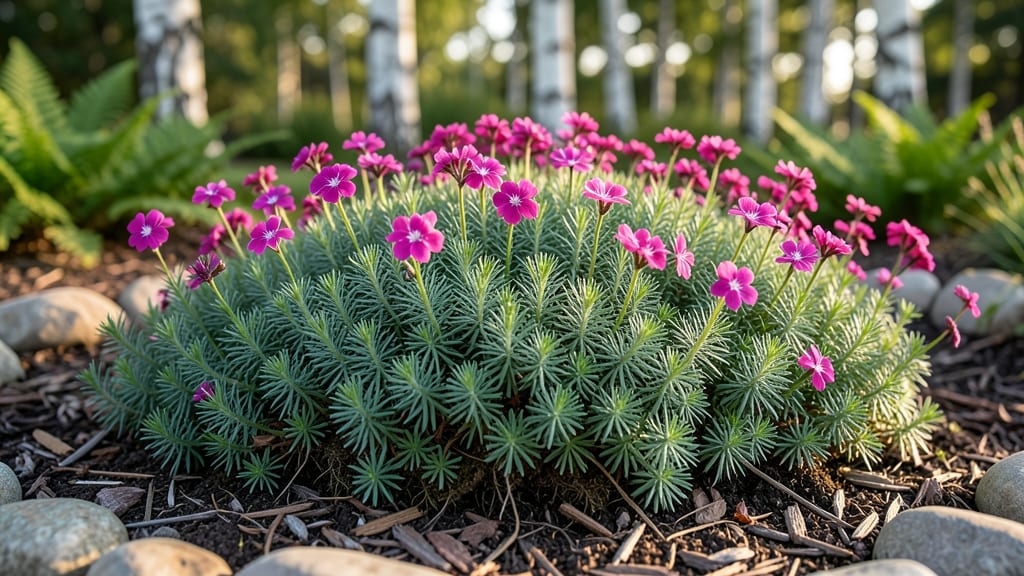
The moss phlox bloom time in your garden can stretch from early spring to late summer—if you time everything just right.
If you’re dreaming of a carpet of vibrant purple blooms that brighten your garden from early spring to late summer, understanding moss phlox bloom time is your secret weapon—because timing everything right means longer-lasting color and fewer missed opportunities.
In Zone 6, where moss phlox thrives, blooms typically kick off in March or April, peaking in May before tapering off by June. But the exact timing depends on your variety, sunlight exposure, and even last year’s winter chill hours.
Below, I’ll break down how to predict your 🌸 moss phlox bloom window by zone, plus the simple care tweaks that can extend those cheerful spikes by weeks.
Moss phlox bloom time by USDA hardiness zones: when to expect purple spikes
Moss phlox (Phlox subulata) is one of the first garden stars to emerge in spring, gracing landscapes with its dense purple spikes before many other perennials even think about blooming.
But the exact bloom window depends heavily on your USDA hardiness zone—and even a few degrees can shift timing by weeks. If you're planning your garden's early-season color, knowing these zone-specific details will help you set expectations and maximize your display.
In cooler northern zones like 3-5, moss phlox often starts blooming as early as late April, while gardeners in zones 6-9 may see flowers appear by March or even February in milder microclimates.
The key is understanding how your local climate interacts with this cold-hardy perennial—because while it thrives in winter, it needs just the right balance of chill and warmth to trigger those vibrant blooms.
| USDA Zone | Typical Bloom Window | Early Varieties | Late Varieties | Climate Notes |
|---|---|---|---|---|
| Zones 3-4 | Late April - Early June | 'Sherwood Purple' (late May) | 'David' (early June) | Needs full winter chill; blooms later in colder microclimates |
| Zones 5-6 | Mid-April - Late May | 'Obsidian' (early April) | 'Pink Ridge' (late May) | Blooms earliest in sheltered south-facing slopes |
| Zones 7-8 | February - April | 'Scarlet Flame' (January-February) | 'Blue Ridge' (April) | May rebloom with deadheading; heat-sensitive after May |
| Zones 9 | January - March | 'White Delight' (December-January) | 'Pink Fanfare' (March) | No winter dormancy needed; blooms year-round in mild climates |
For gardeners in zones 3-5, the coldest winters actually help trigger better blooms—think of it as nature's way of ensuring a reliable spring show.
However, if you're in zone 4 and experience an unusually warm winter, your moss phlox might bloom later or produce fewer flowers, as it hasn't received enough vernalization (cold treatment). To counteract this, consider planting early-blooming varieties like 'Sherwood Purple' or providing light shade during heatwaves to prevent stress.
In zones 6-8, the bloom window stretches dramatically, with some varieties like 'Scarlet Flame' pushing flowers as early as January in mild winters. The trade-off? These zones also risk heat stress after May, which can cause blooms to fade faster.
To extend your display, pair moss phlox with late-summer bloomers like sedum or coreopsis to create a seamless transition. In zone 7 and warmer, deadheading spent blooms can encourage a second flush in fall.
Gardeners in zone 9 enjoy the longest bloom season, but they must watch for overheating—moss phlox thrives in cooler climates and may struggle with summer temperatures above 90°F.
If you're in this zone, focus on shade-tolerant varieties like 'White Delight' and plant them in morning sun with afternoon shade. Mulching with organic matter also helps retain moisture and regulate soil temperature, which is critical for continuous blooming.
One often-overlooked factor is elevation. Even within the same zone, gardens at higher elevations (like 5,000+ feet) may experience 2-3 week delays in blooming compared to lower-altitude areas.
For example, a zone 6 garden at sea level might see moss phlox bloom in mid-April, while one at 6,000 feet could expect flowers around early May. Use local last frost dates as a rough guide, but always adjust for your specific microclimate.
Top moss phlox varieties ranked by bloom duration and color intensity
Choosing the right moss phlox variety can turn your garden into a springtime explosion of color that lasts for weeks. While most varieties bloom from late winter to early summer, some stand out for their longer bloom duration and vibrant hues.
Let’s dive into the top performers that will keep your garden looking fresh and lively.
For gardeners chasing maximum bloom time, 'Sherwood Purple' is a standout. This variety offers 6-8 weeks of continuous blooms when planted in ideal conditions, making it perfect for early spring displays.
Its deep purple flowers create a stunning contrast against green foliage, and it thrives in partial shade—ideal for woodland gardens or under trees.
If you prefer darker, richer colors, 'Obsidian' delivers with its near-black blooms that fade to deep purple. This variety blooms slightly later than 'Sherwood Purple' but makes up for it with intense color intensity that lasts 5-7 weeks.
It’s also more compact, reaching only 4-6 inches tall, making it ideal for rock gardens or borders.
'David' is another top performer, especially for gardeners who want prolonged blooms with bright pink flowers. This variety often blooms 7-9 weeks and is highly disease-resistant, making it a low-maintenance choice.
Its taller stature (6-8 inches) also makes it great for filling gaps in borders or cascading over walls.
To extend bloom time across all varieties, focus on deadheading spent blooms regularly. This simple task encourages new flowers to form, keeping your moss phlox looking fresh for weeks longer.
Pair this with light fertilization in early spring (use a 5-10-10 NPK blend) to support vibrant blooms without excessive foliage growth.
For early bloomers, consider 'Pink Ridge'—it often starts flowering in late winter and continues through spring. Its soft pink blooms add a delicate touch to gardens, and it thrives in rock gardens or alpine settings.
Pair it with 'Sherwood Purple' for a stunning color contrast that lasts all season.
No matter which variety you choose, remember that well-draining soil and partial shade are key to maximizing bloom time. With the right care, your moss phlox can transform your garden into a year-round color show, starting as early as February and lasting until June.