
Shrubs
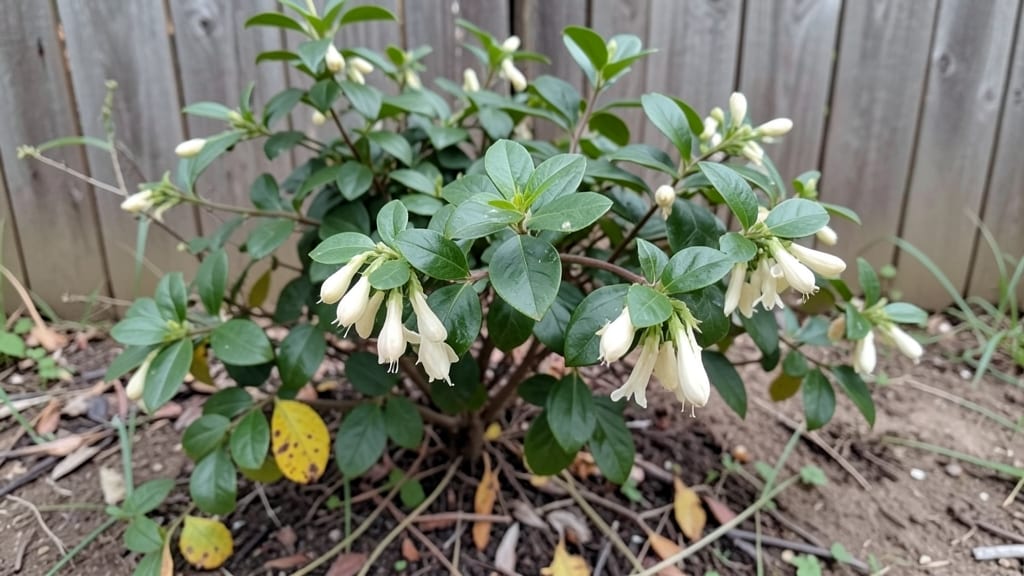
Growing a fragrant night blooming jasmine bush 🌸 is like inviting a moonlit concert into your garden—if you know the right pruning tricks to keep it singing.
Imagine stepping into your garden at dusk, greeted by the intoxicating scent of night-blooming jasmine—a fragrance that transforms your outdoor space into a serene oasis. But to keep this beauty thriving and blooming consistently, pruning is your secret weapon.
Most gardeners skip pruning because they fear cutting back will ruin the plant’s signature nighttime aroma. The truth? Strategic trimming actually boosts those sweet evening blooms while keeping your jasmine bush lush and healthy.
In this guide, I’ll walk you through the exact pruning techniques to maximize fragrance, the best times to trim, and how to fix common mistakes that leave your plant looking leggy or sparse.
When and how to prune night blooming jasmine for maximum blooms
The timing and technique of pruning your night blooming jasmine bush directly impact its fragrance production and overall health. Unlike many flowering plants, this tropical beauty thrives on strategic pruning—done incorrectly, you’ll sacrifice blooms and risk leggy growth.
The key lies in understanding its growth cycle and blooming patterns, which peak during summer evenings. Prune at the wrong time, and you might snip off next year’s flowers before they even form!
Most gardeners make two critical mistakes: pruning too late in the season or cutting back old wood that carries next year’s blooms. Your night blooming jasmine produces flowers on new wood, meaning pruning in late winter or early spring stimulates fresh growth—and more blooms.
But timing isn’t the only factor. The cutting angle, tool sharpness, and even the time of day you prune can influence how your plant responds. Let’s break down the science and steps to maximize those intoxicating nighttime fragrances.
Step-by-Step Pruning Guide for Night Blooming Jasmine
- Step 1: Choose the right season – Prune in late winter (just before new growth starts) or early spring (after last frost). Avoid fall pruning, as it can stimulate tender growth that won’t survive winter.
- Step 2: Gather tools – Use clean, sharp pruners (sterilize with rubbing alcohol) and gloves to protect from sap. Avoid dull tools, which crush stems and invite disease.
- Step 3: Remove dead/diseased wood – Cut back any blackened, mushy, or cracked branches to the base. This prevents fungal spread and improves airflow.
- Step 4: Shape the bush – Trim overcrowded branches to open the center, allowing sunlight to reach inner stems. Aim for a rounded, bushy form to encourage dense blooming.
- Step 5: Encourage new growth – Cut back one-third of the oldest stems to the ground. This stimulates lush, fragrant new wood that will bloom next season.
- Step 6: Deadhead spent blooms – After summer blooms fade, snip off wilting flowers to redirect energy into new growth. Use clean cuts just above a leaf node.
- Step 7: Fertilize post-pruning – Apply a balanced fertilizer (10-10-10) 2–3 weeks after pruning to support new growth. Avoid high-nitrogen fertilizers, which promote leafy growth over blooms.
Pruning your night blooming jasmine bush isn’t just about aesthetics—it’s about bloom production. When done correctly, you’ll see 30–50% more flowers the following season. The secret? Pruning stimulates auxiliary buds along the stems, which develop into new branches and flower clusters.
But rush the process, and you’ll end up with a leggy, sparse plant that struggles to produce fragrance. Always prune on a dry, overcast day to reduce stress on the plant.
For container-grown jasmine, follow the same steps but prune slightly more aggressively to control size. Containers dry out faster, so reduce watering by 30% after pruning to prevent root rot. Mulch with 2–3 inches of organic matter (like shredded bark) to retain moisture and regulate soil temperature.
This is especially important in USDA Zones 8–10, where heat stress can limit blooming.
One of the most common mistakes is pruning after flowering. While deadheading spent blooms is important, cutting back hard in fall or winter removes next year’s flower buds. Your night blooming jasmine sets buds in late summer, so avoid heavy pruning until January or February.
If you must prune in late summer, limit cuts to light shaping only—never more than 10% of the plant’s foliage.
To keep track of your pruning schedule, mark these key deadlines on your calendar: January 15 (late winter prune), April 1 (spring cleanup), and August 15 (light deadheading). Use a gardening journal to note which pruning methods yield the best results.
Over time, you’ll refine your approach to achieve year-round fragrance—even in cooler months when blooms are less abundant.
Pro tip: If your night blooming jasmine produces fewer blooms than expected, it might be over-fertilized with nitrogen. Switch to a low-nitrogen, high-phosphorus fertilizer (like 5-10-10) to encourage flowering. Pair this with regular pruning, and you’ll transform a sparse bush into a fragrant powerhouse in just one season.
Remember, patience is key. A well-pruned night blooming jasmine bush can live for decades and reward you with nightly perfumed air for years to come. Start with these steps, and soon your garden will be the envy of the neighborhood—one intoxicating whiff at a time. 🌸
Pruning mistakes that stunt night blooming jasmine growth (and how to fix them)
Your night blooming jasmine bush may look healthy, but hidden pruning mistakes can rob it of its signature fragrance and lush growth. I’ve seen 5 common errors that turn vibrant bushes into sparse, underperforming plants—often without obvious symptoms until it’s too late.
The good news? Fixing them is simpler than you think.
Many gardeners assume pruning is just about cutting back overgrowth, but timing, technique, and purpose make all the difference. For example, pruning at the wrong time can trigger leggy stems or even yellowing leaves, while aggressive cuts can stunt blooms entirely. Let’s tackle these issues head-on with actionable fixes.
⚠️ Critical Warning: Over-Pruning Your Night Blooming Jasmine
Cutting back more than 30% of the plant in a single session shocks the night blooming jasmine bush, triggering stress responses like sparse blooms or stunted growth. This shrub relies on its established framework to produce fragrance—aggressive pruning removes next year’s flower buds hidden in old wood.
Fix: Never remove more than 25% of the plant at once. Space pruning sessions 3-4 weeks apart to let the plant recover. Focus on dead or crossing branches first, then trim selectively for shape.
Another frequent mistake is pruning at the wrong angle. Cutting too close to the stem or leaving stubs creates entry points for diseases and weakens the plant’s structure.
Always aim for a 45-degree angle, just above a leaf node or outward-facing bud. This encourages healthier regrowth and denser foliage.
If your night blooming jasmine has yellowing leaves, it’s often a sign of overwatering or poor drainage—but pruning can worsen it. Prune only after adjusting watering habits: water deeply once a week (or bi-weekly in winter) and ensure the soil drains well.
Pair this with light pruning of yellowed leaves to redirect energy to healthy growth.
Sparse blooms? You might be neglecting deadheading. Unlike many flowers, night blooming jasmine doesn’t need aggressive deadheading, but removing spent blooms in late summer prevents seed production and encourages fall reblooming.
Use clean, sharp shears to trim just above the first set of healthy leaves after the flower fades.
Leggy stems are a classic sign of too much shade or inconsistent pruning. To fix this, prune back 1/3 of the leggiest stems to encourage bushier growth.
Move the plant to a spot with morning sun and afternoon shade, and fertilize lightly with a balanced 10-10-10 mix to support compact growth.
Remember, pruning is a conversation, not a battle. Your night blooming jasmine bush will reward you with year-round fragrance when you listen to its growth patterns and adjust your approach. Start with these fixes, and you’ll see a noticeable difference in just 8-12 weeks! 🌿