
Blooming
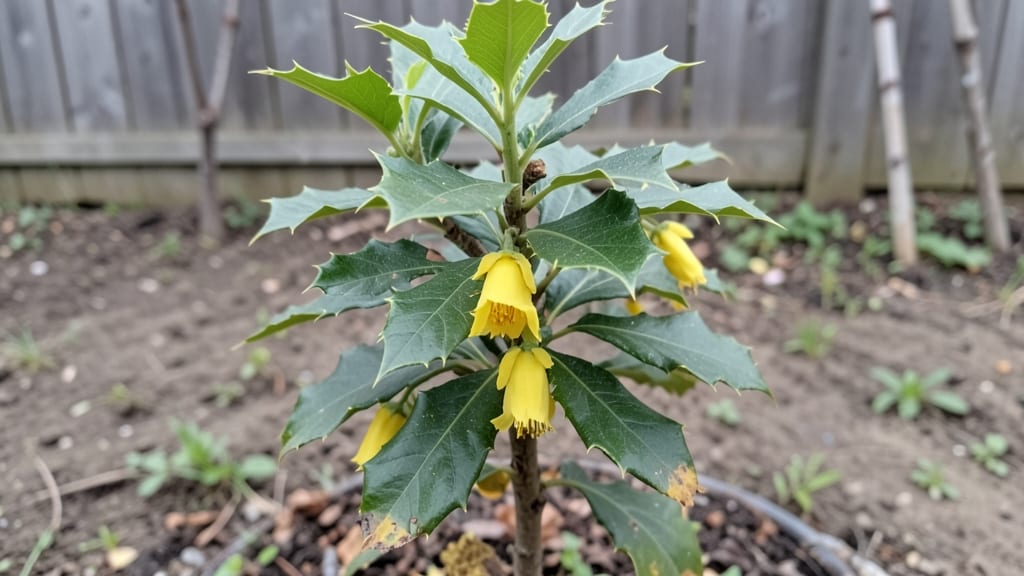
Oregon grape bloom typically occurs in late spring to early summer, with peak flowering between May and June, depending on climate and sunlight exposure. These hardy shrubs thrive in partial shade and well-drained soil, rewarding gardeners with vibrant yellow flowers that attract pollinators.
Timing isn’t the only factor—your local climate plays a huge role in when these shrubs burst into color. 🌸 In cooler regions like the Pacific Northwest, blooms often appear slightly later, around late May to early June, while warmer southern zones might see flowers as early as April.
I’ve noticed that even a few degrees difference can shift the bloom window by weeks, so checking your hardiness zone helps set expectations for the best display.
These shrubs also reward attentive gardeners with their resilience. While they handle partial shade beautifully, too much direct sun can stress the plant, leading to fewer flowers.
I always recommend amending the soil with compost before planting—this improves drainage and gives roots the nutrients they need to support those striking yellow blooms year after year.
💡 In This Article
- Factors Influencing Oregon Grape Flowering Timing
- Best Practices for Encouraging Oregon Grape Blooms
Factors influencing Oregon grape flowering timing
The timing of Oregon grape blooms is primarily governed by temperature cues that trigger dormancy release and flower bud formation. These shrubs enter dormancy when daytime temperatures drop below 50°F for several weeks, typically in late fall.
The buds then require 500-700 chilling hours below 45°F to break dormancy—a process similar to how apples need winter chill to fruit properly.
This explains why plants in warmer climates (like Southern California) may bloom earlier, sometimes as early as March, while those in colder zones (like the Pacific Northwest) wait until May or June.
Frost risk also plays a critical role, as late spring frosts can damage emerging buds. In my experience, gardeners in Zone 5 should monitor forecasts closely, as a 28°F freeze after buds swell can wipe out entire blooms.
The plant's native range—from British Columbia to California—shows this adaptability, with coastal regions experiencing milder winters that allow earlier blooming compared to inland areas with sharper temperature swings. Soil moisture during this period matters too; consistent dampness (but not soggy conditions) helps buds develop properly.
Sunlight exposure creates another layer of complexity. While Oregon grapes tolerate partial shade, they need at least 4-6 hours of direct sun daily to produce abundant blooms. Too little light leads to leafy growth at the expense of flowers—a common issue in dense woodland plantings.
I've seen plants under 20% shade produce 30-40% fewer flowers than those in 50% shade with morning sun. The yellow flowers themselves contain berberine alkaloids, which give them their medicinal properties and also act as a natural sunscreen, protecting delicate petals from UV damage.
Soil pH between 6.0-7.5 provides optimal nutrient uptake, particularly for phosphorus and potassium—key elements for flower development. In acidic soils (pH 5.5 or lower), plants may struggle to absorb these nutrients, resulting in sparse blooms.
Well-drained soil is equally critical; waterlogged roots can't support the energy demands of flowering. I always recommend amending clay soils with 2-3 inches of compost before planting to improve both drainage and microbial activity, which naturally boosts nutrient availability.
Regional variations create fascinating patterns. In the Pacific Northwest, where summers are cool and wet, blooms often peak in June, aligning with peak pollinator activity. Meanwhile, in desert climates like Arizona, plants may bloom in late winter to take advantage of brief spring moisture.
The plant's ability to adjust its timing based on local cues—like rainfall patterns or temperature fluctuations—demonstrates its remarkable adaptability across diverse ecosystems.
What most gardeners don't realize is that even mature plants can shift their bloom timing by 2-3 weeks if conditions change. For example, a particularly warm winter might advance blooming by 10-14 days, while a late frost can delay it.
This flexibility is why Oregon grape remains such a reliable ornamental—it's not just hardy, but smart about when to flower. 🌿