
Flowers
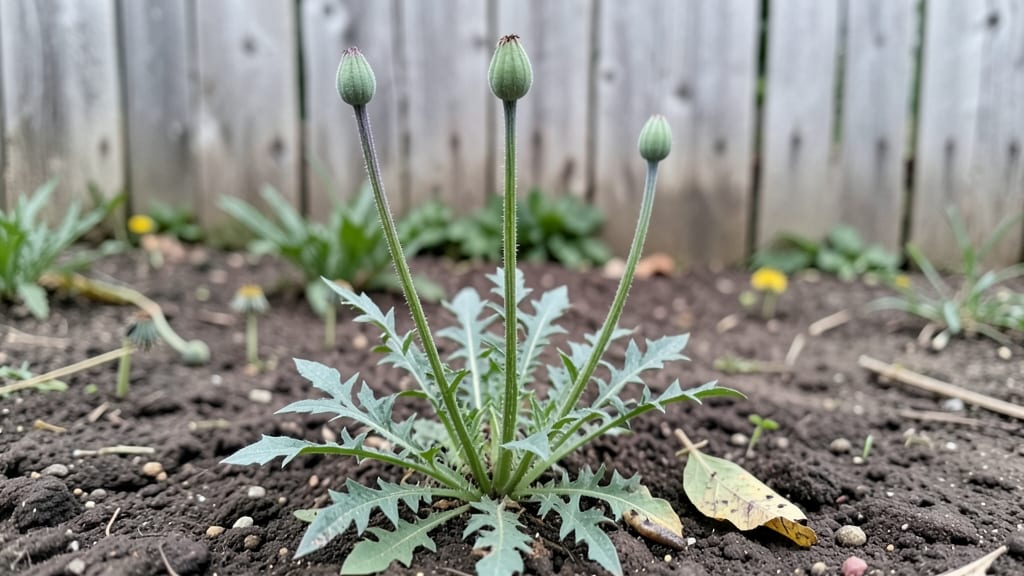
Before a poppy blooms 🌸, the real work happens underground and in those early stalks—where strength is built for the showstopping flowers to come.
Poppies are stunning when in full bloom, but their strength and beauty start long before those vibrant petals unfurl—right in their early growth stages. Knowing how to identify and prune poppy plants before bloom can mean the difference between floppy, weak stalks and robust, show-stopping blooms that last all season.
Most gardeners wait until the flowers appear before they think about care, but that’s when the damage is already done. The critical window is those first 60 days after planting, when stems are still tender and leaves are small—this is where you shape the future of your poppy patch.
Below, I’ll walk you through exactly how to spot the signs of healthy early growth, when to prune for stronger stalks, and the simple tricks that keep your poppies standing tall all season.
How to identify poppy plants before bloom: key growth stages
Spotting poppy seedlings early can feel tricky, especially when they look like weeds. But knowing their key growth stages—from tiny sprouts to sturdy stems—helps you distinguish them from unwanted plants.
I’ve learned that timing is everything: miss these stages, and you might accidentally pull your poppies before they even bloom! The cotyledon phase is your first clue, followed by true leaves and stem thickening, each signaling progress toward those iconic blooms.
Poppy seedlings start with round, lobed cotyledons that resemble tiny maple leaves. These first leaves appear 7-14 days after sowing and are your best friends for identification. Weeds like lambsquarters often have jagged edges, while poppy cotyledons stay smooth and slightly fuzzy.
Pay close attention to the seedling’s height—healthy poppy sprouts rarely exceed 1 inch tall at this stage, making them easy to overlook if you’re not looking closely.
| Stage | Key Features | Timeframe | Action |
|---|---|---|---|
| Cotyledon | Round, lobed leaves; fuzzy texture; 1 inch tall | 7-14 days after sowing | Label seedlings to avoid weeding mistakes |
| True Leaves | Blue-green, feather-like leaves; stems thicken | 2-3 weeks after sowing | Thin seedlings to 3 inches apart |
| Stem Elongation | Hollow stems; leaves grow 4-6 inches long | 4-6 weeks after sowing | Prune leggy stems to encourage bushiness |
| Pre-Bloom Bud | Bud forms; stems thicken further; leaves turn darker | 6-8 weeks after sowing | Support stems with stakes or cages |
Once your poppy seedlings grow their true leaves, they’ll look nothing like weeds. These leaves are blue-green and deeply lobed, almost resembling ferns. At this stage, you’ll notice the stems beginning to thicken, a sign they’re preparing for rapid growth.
This is also the perfect time to thin seedlings—space them 3 inches apart to give roots room to expand. Overcrowding now leads to weak, leggy plants later.
Many gardeners skip thinning, thinking it’s too early. But I’ve seen firsthand how competition for nutrients at this stage stunts growth. If you’re unsure whether a seedling is a poppy, wait until the true leaves appear—this is your foolproof identification.
Weeds rarely develop these distinctive, feathery leaves, so you’ll quickly spot the difference.
As poppies enter the stem elongation phase, their growth accelerates. You’ll notice hollow stems and leaves reaching 4-6 inches in length. This is when they start looking like the poppies you know and love, but their stalks are still soft.
Here’s where pruning comes into play: pinch back the top 1-2 inches of leggy stems to encourage branching. This simple step prevents floppy blooms later and promotes a fuller plant.
A common mistake I see is over-pruning at this stage. Poppies are resilient, but cutting too much can shock the plant and delay blooming. Stick to light pruning—just enough to shape the plant without removing more than 20% of the foliage.
Think of it as giving your poppy a gentle haircut, not a buzz cut!
By the time your poppies form pre-bloom buds, their stems should be thick and sturdy, ready to support heavy blooms. The leaves will darken, and you’ll see a noticeable bud at the stem’s tip.
This is your final checkpoint before bloom. If stems are still weak, use soft ties or small stakes to provide support. Avoid heavy fertilizing now—poppies bloom best when they focus energy on flowers, not foliage.
One of my biggest lessons? Patience pays off. Rushing to prune or thin too early can set your poppies back. Instead, follow their natural growth stages, and you’ll reward yourself with stronger stalks and bigger blooms.
Keep an eye out for pests like aphids during this phase—they love tender new growth. A quick spray of neem oil keeps them at bay without harming your poppies.
Now that you know what to look for, grab your gardening gloves and get up close! Poppies are easy to miss when they’re small, but catching them early makes all the difference.
With these growth stages in mind, you’ll go from guessing to knowing—and your garden will thank you with a sea of vibrant blooms.
Step-by-step pruning guide for stronger poppy stalks before bloom
Pruning poppy plants before bloom might seem counterintuitive—after all, you want those stunning blooms!—but strategic pruning actually strengthens poppy stalks and prevents them from toppling over under heavy blooms.
The key is timing and technique, which I’ll break down so you can avoid weak, leggy stems and encourage thicker growth that supports those vibrant flowers.
Poppies are delicate, so pruning too much or too late can stress them. Instead, focus on early-stage pinching and selective cutting to redirect energy into stem thickening and root development.
This guide will walk you through the exact steps, tools, and timing to get the best results without harming your plants.
How to Prune Poppy Stalks Before Bloom
- 1
- 2
- 3
- 4
- 5
🌱 Pro Tip: Use a 10% hydrogen peroxide solution to sterilize pruners between cuts and prevent bacterial spread.
Timing is everything with poppies. If you prune too early, the plant may not have enough leaf surface to support photosynthesis and recover. If you wait too long, the stems become woody and brittle, making them prone to lodging (falling over) when blooms appear.
Aim to prune in early spring (March-April) or late summer (August-September), depending on your climate and planting time.
After pruning, give your poppies a light fertilizer with a 5-10-10 NPK ratio to support new growth. Water at the base of the plant in the morning to avoid fungal diseases from wet foliage.
Within weeks, you’ll notice thicker stems and more branches, setting the stage for a show-stopping display of blooms.
Remember, poppies are self-seeding annuals, so healthy stalks today mean next year’s blooms will be even more spectacular. With the right pruning, your poppies won’t just survive—they’ll thrive and stand tall for all to admire. 🌸