
Blooming
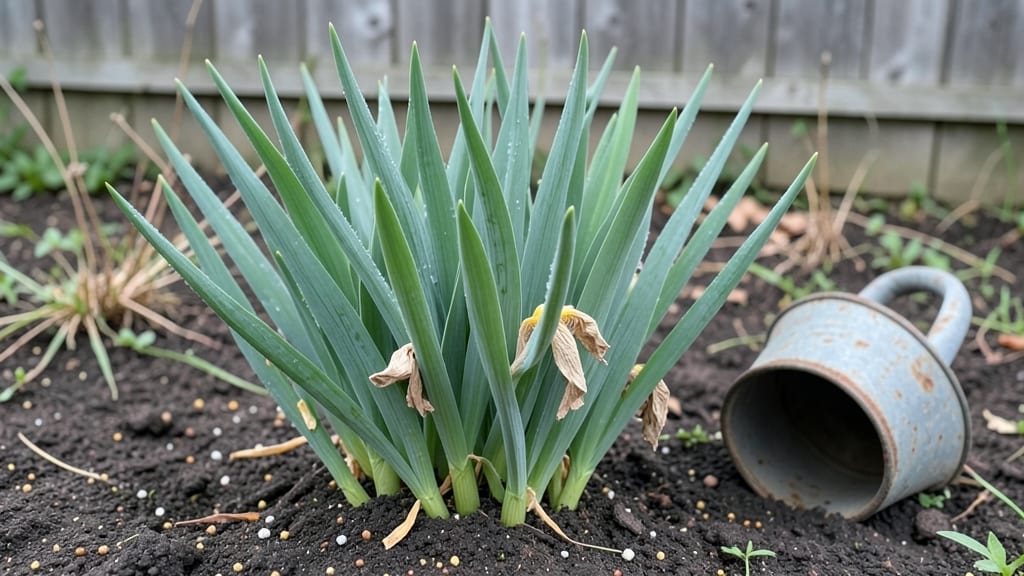
Your Siberian iris not blooming this year? 🌱 That stubborn silence isn’t a death sentence—it’s usually a fixable signal. After years of watching mine refuse to flower, I’ve cracked the code on sunlight, feeding, and dormancy.
The good news? Most of these fixes take less than an hour and start working within a single growing season.
Here’s the thing—these plants need full sun (6+ hours daily) and sharp pruning after blooming. Too much nitrogen fertilizer or skipping their winter rest period can also shut down flowers.
I’ve seen clumps that looked dead spring up with blooms after just dividing the roots and adjusting care. The key is matching their natural rhythms.
By next summer, you’ll see those classic sword-shaped leaves followed by vibrant purple or blue blooms—if you address the right issue first. We’ll walk through the three most common culprits and exactly how to reverse them. Trust me, your iris just needs a little nudge in the right direction.
Works for both established clumps and newer plants, whether you’re in a sunny border or container garden. Let’s get those blooms back where they belong!
Why it happens
If your Siberian iris (Iris sibirica) is refusing to bloom, it’s often a sign that one or more of its basic needs aren’t being met.
These perennials are hardy and low-maintenance, but they do have specific conditions they thrive under—and when those aren’t met, they’ll focus energy on foliage instead of flowers. Let’s break down the most common reasons your Siberian iris might be playing hide-and-seek with its blooms this season.
🌡️ Insufficient Sunlight: The Power Struggle
Siberian irises are partial-shade lovers, but they need at least 4–6 hours of direct sunlight daily to trigger blooming. Too little light means fewer blooms—or none at all. Here’s why:
- Photosynthesis slowdown: Without adequate light, the plant can’t produce enough energy (glucose) to support flower buds. It defaults to growing leaves instead.
- Weakened dormancy cues: Siberian irises rely on seasonal light changes to signal blooming time. In shady spots, these cues get muddled, delaying—or canceling—flower production.
- Competition from neighbors: Overly dense foliage (like hostas or ferns) or nearby trees can cast too much shade. Even dappled sunlight might not cut it if the plant is already stressed.
Pro tip: 💡 If your iris is in a shady spot, try moving it to a location with morning sun and afternoon shade—this mimics its natural habitat in woodland edges.
🌱 Overcrowded Roots: The Space Race
Siberian irises multiply quickly, and when their rhizomes (thick, fleshy roots) get too crowded, they prioritize survival over showiness. Here’s the science:
- Nutrient depletion: Over time, a single clump depletes soil nutrients in its immediate area. Without space to spread, the plant can’t replenish them, leading to weak growth and skipped blooms.
- Competitive energy drain: Each new rhizome offshoot competes for water and nutrients. The mother plant redirects energy to sustain these offshoots, leaving little for flowers.
- Airflow issues: Dense clumps trap moisture, creating a humid microclimate that encourages fungal diseases (like rhizoctonia), which further stress the plant.
Action step: ✂️ Divide your Siberian iris every 3–4 years in early spring or fall. Snip the clump into sections with at least one healthy fan of leaves per rhizome and replant them with spacing of 12–18 inches apart.
💧 Watering Woes: Too Much or Too Little
Siberian irises are drought-tolerant, but their blooming is highly sensitive to moisture balance. Get the watering wrong, and you’ll trigger stress responses that halt flower production.
| Issue | Why It Stops Blooms | Fix It |
|---|---|---|
| Underwatering | Dry soil triggers dormancy-like stress, causing the plant to conserve energy. Flower buds often abort in response. | Water deeply 1–2 times per week (more in extreme heat) to reach 6–8 inches into the soil. |
| Overwatering | Soggy soil leads to root rot (from Phytophthora or Pythium fungi), which blocks nutrient uptake. The plant diverts energy to repair roots instead of blooming. | Ensure soil has good drainage—amend with sand or perlite if needed. Water only when the top 2 inches of soil are dry. |
| Inconsistent watering | Fluctuating moisture confuses the plant’s hydraulic signals, delaying blooming cues. It waits for “stable” conditions that never arrive. | Stick to a consistent schedule, even if it’s just 1 deep watering per week in cooler months. |
🌿 Poor Soil Conditions: The Hidden Starvation
Siberian irises aren’t fussy, but they do need well-draining, moderately fertile soil to bloom reliably. Ignore soil health, and you’re essentially starving your plant of the resources it needs to produce flowers.
- Compacted or clay-heavy soil: Poor drainage cuts off oxygen to roots, leading to anaerobic stress. The plant can’t absorb phosphorus (critical for flower development), so buds fail to form.
- Low organic matter: Without compost or aged manure, soil lacks microorganisms that break down nutrients into forms the iris can use. Result? Weak growth and no blooms.
- Imbalanced pH: Siberian irises prefer slightly acidic to neutral soil (pH 6.0–7.0). Soil too alkaline (pH >7.5) locks out essential nutrients like iron and manganese, stunting flower production.
Quick fix: 🌡️ Test your soil’s pH and amend with sulfur (to lower pH) or lime (to raise pH) as needed. Mix in 2–3 inches of compost in early spring to boost organic matter.
⏳ Age or Stress: The Silent Saboteurs
Even the hardiest plants need a break. If your Siberian iris is older than 5 years or has faced recent stress (like transplant shock or pest damage), it might be playing it safe by skipping blooms.
- Older rhizomes: After 5+ years, rhizomes can become woody and less productive. They prioritize maintaining existing growth over producing new flowers.
- Transplant shock: Moving an iris disrupts its root system, and the plant may take 1–2 years to recover before blooming again.
- Pest or disease damage: Heavy infestations (like iris borers) or fungal infections divert energy to healing, leaving no reserves for flowers.
Solution: 🔄 For aging plants, divide and replant every 3–4 years to rejuvenate growth. If stress is the issue, avoid fertilizing until new growth appears—let the plant recover first.
Reviving Your Siberian Iris Blooms
If your Siberian iris has been stubborn about flowering, don’t despair—there’s hope! The good news is that most issues are fixable with a few targeted tweaks. Below, we’ll map the most common causes to simple, actionable solutions, plus pro tips to keep your plant blooming beautifully for years.
Let’s get your iris back on track!
🌱 Fix 1: Adjusting Light & Location for Optimal Growth
Siberian irises thrive in full sun to partial shade, but too much shade or harsh afternoon sun can stunt blooms. Here’s how to strike the right balance:
🔥 Step 1: Assess Your Iris’s Current Light
- Too little sun? Move it to a spot with 6+ hours of direct sunlight daily (morning sun is ideal to avoid scorching).
- Too much harsh sun? Provide afternoon shade with a sheer curtain or nearby trees (but avoid dense shade—irises need at least 4 hours of sun).
👨🍳 Step 2: Gradually Transition if Needed
- If your iris is currently in deep shade, move it incrementally over 2–3 weeks to avoid shock.
- Pro tip: 💡 Use a light meter or observe nearby plants—if they’re struggling, your iris likely needs more sun too!
🌡️ Prevention Tips
- Best spots: East-facing beds or slightly sheltered south-facing areas.
- Avoid: West-facing locations with intense afternoon heat (can scorch leaves).
- Container growers: Place pots where they get bright, indirect light if full sun isn’t an option.
💧 Fix 2: Mastering Water & Soil for Healthy Roots
Overwatering or poor drainage can suffocate roots, while underwatering stresses the plant—both lead to skipped blooms. Here’s how to get it right:
🍳 Step 1: Check Your Soil’s Drainage
- Test it: Dig a small hole near the plant, add water, and time how long it takes to drain. If it pools after 6+ hours, amend the soil.
- Fix poor drainage:
- Mix in compost or perlite (20–30% of the soil volume).
- For heavy clay soil, create a raised bed or plant on a slope.
⏰ Step 2: Water Wisely
- Water deeply but infrequently: Aim for 1–1.5 inches per week (including rain). Let the top 2–3 inches of soil dry out between waterings.
- Avoid soggy soil: Siberian irises hate wet feet. Ensure pots have drainage holes and mulch with gravel or bark (not organic mulch, which retains moisture).
🎯 Prevention Tips (2)
- Mulch lightly: Use 2–3 inches of inorganic mulch (like pebbles or straw) to retain moisture without suffocating roots.
- Drought tolerance: Once established, irises are drought-resistant—overwatering is riskier than underwatering!
- Container care: Water when the top inch of soil feels dry, but never let pots sit in saucers of water.
🌿 Fix 3: Fertilizing & Feeding for Stronger Blooms
Siberian irises aren’t heavy feeders, but improper or excessive fertilization can lead to lush foliage but no flowers. Here’s how to feed them right:
🔪 Step 1: Choose the Right Fertilizer
- Best options:
- Balanced, slow-release fertilizer (10-10-10 or 5-10-10) in early spring (as new growth appears).
- Low-phosphorus fertilizer (e.g., 5-3-3) to avoid leafy growth at the expense of blooms.
- Avoid: High-nitrogen fertilizers (like lawn fertilizer)—they promote leaves over flowers.
📊 Step 2: Apply Fertilizer Correctly
- Timing: Feed once in early spring (March–April) and optional light feeding in late summer (if blooms were sparse).
- Method: Sprinkle granules around the drip line (not directly on leaves) and water deeply to activate.
- Organic alternative: Work in well-rotted compost (1–2 inches) around the base in spring.
✨ Prevention Tips (3)
- Less is more: Siberian irises are native to nutrient-poor soils—over-fertilizing stresses them.
- Avoid fall feeding: This encourages late growth that may not harden off before winter.
- Divide old clumps: If your iris is over 5 years old, split rhizomes every 3–4 years in early spring to rejuvenate blooms.
🚨 Bonus: Quick Troubleshooting Table
Not sure which fix applies? Use this at-a-glance guide:
| Symptom | Likely Cause | Solution |
|---|---|---|
| Leaves are tall but no flower stalks | Too much nitrogen or shade | Switch to low-N fertilizer + move to sunnier spot |
| Yellowing leaves or mushy rhizomes | Overwatering or poor drainage | Improve soil drainage + reduce watering |
| Small or no buds forming | Underwatering or root-bound | Water deeply + divide clumps if needed |
| Blooms appear but drop quickly | Stress from heat/drought or pests | Mulch to retain moisture + check for slugs/aphids |
With these fixes, your Siberian iris should bounce back with vibrant blooms in 1–2 seasons. Start with the most likely cause, monitor changes, and adjust as needed. Happy gardening!
Frequently asked questions
Why isn’t my Siberian iris producing blooms even after years of growth?
If your Siberian iris has been growing for years but still refuses to bloom, it’s often due to overcrowded roots or improper fertilization. Over time, rhizomes become packed together, competing for nutrients and space. Divide the clump every 3-4 years in early spring or fall to give each section room to thrive. Also, avoid high-nitrogen fertilizers—they encourage leafy growth at the expense of flowers. Try a balanced, low-nitrogen fertilizer instead.
How do I know if my Siberian iris is getting enough sunlight?
Siberian irises need at least 4-6 hours of direct sunlight daily to bloom properly. If your plant isn’t flowering, check for signs of insufficient light like leggy, weak stems or smaller-than-usual leaves. Move it to a sunnier spot, such as an east-facing bed or a location with morning sun. If your area gets intense afternoon heat, provide light afternoon shade to protect the leaves while still allowing ample sunlight.
Can I revive a Siberian iris that hasn’t bloomed in multiple seasons?
Older Siberian irises often skip blooming due to stress or overcrowding, but they can bounce back with the right care. Start by dividing the rhizomes in early spring—this rejuvenates the plant and gives new growth a fresh start. Also, ensure the soil is well-draining and slightly acidic to neutral (pH 6.0-7.0). With these adjustments, you should see blooms return within 1-2 growing seasons.
What should I do if my Siberian iris leaves look healthy but still produces no flowers?
Healthy leaves but no blooms usually mean your iris is underwatered or root-bound. Check the soil moisture—if the top 2-3 inches feel dry, water deeply but infrequently. If the clump is dense, it may need dividing to prevent competition for resources. Another culprit could be too much nitrogen in the soil, which promotes foliage over flowers. Switch to a low-nitrogen fertilizer to encourage blooming.