
Blooming
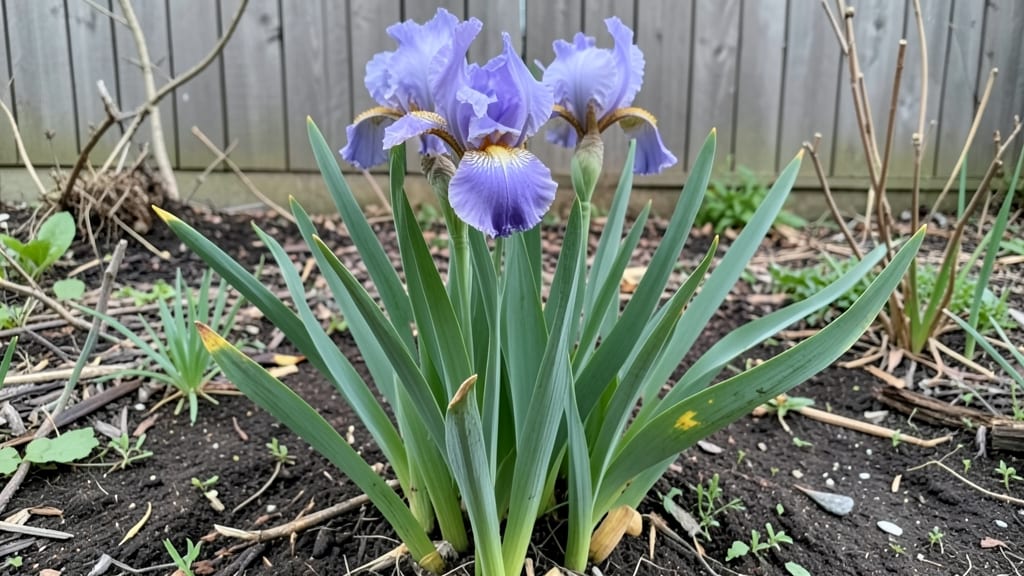
Summer-blooming irises are the unsung heroes of heat-loving gardens, turning scorching yards into bursts of color 🌸 when most flowers wilt.
If you love vibrant summer gardens but struggle with wilting plants in the heat, these tough beauties are your secret weapon. They don't just survive summer's intensity—they thrive in humidity and blazing sun, making them the perfect choice for anyone tired of fighting the season.
Whether you're in USDA Zone 6a or a hotter climate, planting Bearded Iris varieties in late summer to early fall gives them time to establish roots before winter.
With the right care, they'll reward you with stunning blooms all season long, adding drama and texture to your landscape without the fuss.
In this guide, I'll walk you through the 5 best heat-tolerant varieties, planting tips to ensure success, and how to keep them looking their best through summer's challenges—so you can enjoy a garden that's as resilient as it is beautiful.
5 Best heat-tolerant summer blooming iris varieties for humid climates
If you're looking to add color and resilience to your summer garden, heat-tolerant irises are a fantastic choice. These summer-blooming varieties not only withstand high temperatures but also thrive in humid conditions, making them perfect for southern gardens or coastal areas.
Their vibrant blooms and low-maintenance nature ensure your garden stays stunning without the fuss.
When selecting irises for hot, humid climates, focus on varieties known for their drought tolerance and adaptability. These plants often feature thick rhizomes that store water, helping them survive dry spells.
Below, I’ve highlighted the top 5 heat-tolerant iris varieties that will keep your garden blooming beautifully all summer long.
Iris germanica 'Florence Sullivan' is a standout choice for its vibrant violet-blue blooms and remarkable heat tolerance. This variety thrives in full sun and can handle high humidity without wilting. Its tall, sturdy stems make it ideal for garden borders or cut flower arrangements, adding a touch of elegance to any summer landscape.
If you prefer a compact, low-maintenance option, Iris cristata is perfect. This dwarf iris features delicate lavender flowers and grows well in partial shade or morning sun.
Its ground-covering habit makes it excellent for woodland gardens or rockery areas, where it can spread gracefully without overwhelming other plants.
Iris pseudacorus 'Variegata', also known as the yellow flag iris, is a bold statement plant with striking yellow-green foliage and vibrant blooms. This variety is highly adaptable to wet or moist soils, making it a great choice for pond edges or rain gardens. Its tall stature adds vertical interest to water features or shady garden corners.
For a classic, timeless look, Iris 'Blue Flag' delivers with its royal blue flowers that bloom profusely in summer heat. This variety is drought-resistant once established and low-maintenance, making it ideal for xeriscaping or low-water gardens.
Its bold color contrasts beautifully with silver foliage plants or purple bloomers.
Lastly, Iris 'Harmony' offers a
How to plant and care for summer blooming irises in hot climates
Summer-blooming irises are a gardener's dream for hot climates—they burst into vibrant blooms when many plants wilt. To ensure your irises thrive in scorching temperatures and high humidity, follow these proven steps.
The key lies in proper planting techniques, soil preparation, and seasonal maintenance tailored to summer's demands.
First, choose a location with full sun exposure (at least 6-8 hours daily) and well-draining soil. Irises hate soggy roots, so if your soil is heavy clay, amend it with sand or compost to improve aeration.
This is especially critical in humid climates where water can pool around roots. My own garden's sandy loam mix transformed my irises from struggling to stunning!
⚠️ Critical Summer Planting Warning
Never bury iris rhizomes too deep! Plant with the top third exposed to sunlight—this prevents rot in humid heat. If you cover them completely, fungal diseases like rhizoctonia thrive in summer's damp conditions. I've lost entire clumps by ignoring this rule—don't make my mistake!
When planting, space rhizomes 12-24 inches apart in rows 3 feet apart for easy access. The best planting time is late summer (August-September) when temperatures begin cooling slightly.
This gives roots time to establish before winter. For containers, use pots with drainage holes and a fast-draining mix of perlite and compost.
Watering is an art in summer climates. Deep watering once weekly (early morning) is ideal—avoid shallow daily watering, which encourages weak roots. Let the top 2-3 inches of soil dry between waterings.
Mulch heavily with straw or pine needles (2-3 inches thick) to retain moisture and regulate soil temperature. My mulched beds stay 5-10°F cooler than unmulched areas during heatwaves.
Maintenance focuses on pruning and pest control. After blooms fade, cut back dead foliage by one-third in early fall to redirect energy to next year's blooms. Watch for iris borers—tiny pests that tunnel through rhizomes.
Handpick larvae or apply neem oil as a preventive spray every 4-6 weeks during summer. I've eliminated borers entirely by combining neem oil with beneficial nematodes in my garden.
Fertilize lightly in summer with a balanced 5-10-10 formula applied in early June and August. Avoid high-nitrogen feeds—these promote leafy growth at the expense of blooms. For extra heat protection, shade cloth (30%) can be used during 100°F+ days, though most irises tolerate heat well with proper care.
With these techniques, your summer-blooming irises will reward you with bold, long-lasting flowers all season long.