
Blooming
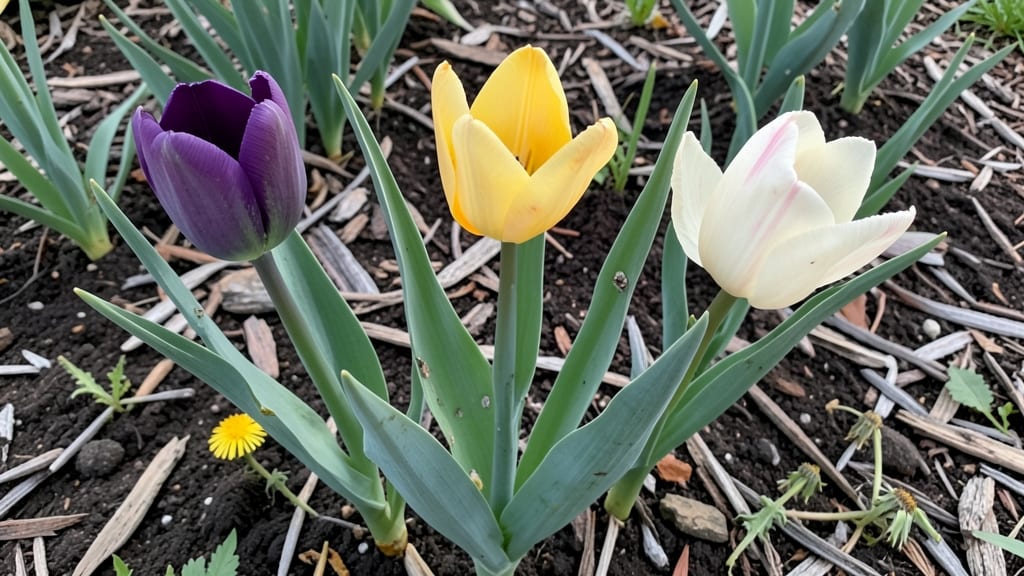
Tulips when bloomed typically last 3–7 days indoors with proper care, though their vase life can extend to 10 days under ideal conditions. Cut stems at an angle, change water every 2 days, and trim foliage to maximize longevity while preserving their vibrant colors.
Tulips are surprisingly sensitive to their environment—even small changes like temperature swings or poor water quality can drastically cut their lifespan. 🌸 For instance, keeping them in a cool room (around 65°F) and away from direct sunlight slows the natural aging process, while ethylene gas from nearby fruits can accelerate wilting.
I’ve found that adding a splash of bleach or flower preservative to the water not only keeps it fresh but also reduces bacterial growth that clogs stems.
Another pro tip? Avoid overcrowding in the vase—tulips need room to breathe, and tight spaces trap moisture, creating the perfect conditions for mold. If you notice the petals starting to droop, recut the stems under water and refresh the solution immediately.
Even a 10-minute reset can revive them for another day or two.
💡 In This Article
- Science Behind Tulip Bloom Longevity
- Extending Tulip Bloom Life with Proven Techniques
Science behind tulip bloom longevity
Tulips have a fascinating biological mechanism for hydration that directly impacts their vase life. When you cut stems at a 45-degree angle, you create a larger surface area for water absorption—up to 30% more than a straight cut.
This angled cut exposes more xylem vessels (the plant's plumbing system) to water, allowing them to draw up moisture more efficiently.
The stems can absorb water at a rate of about 0.5-1 milliliter per hour under ideal conditions, but this slows dramatically if stems dry out or become clogged with bacteria.
The real villain in tulip wilting is ethylene gas, a natural plant hormone that accelerates aging. Tulips are particularly sensitive—they can detect ethylene concentrations as low as 0.1 parts per million, which is why keeping them away from fruits (especially apples and bananas) is crucial.
Ethylene triggers enzymatic reactions that break down chlorophyll and cell walls, causing petals to yellow and droop. Interestingly, tulips grown outdoors in spring often last 2-3 days longer than indoor blooms because outdoor temperatures fluctuate naturally, which helps regulate ethylene production.
Temperature plays a surprising role too. Tulips thrive at 60-65°F—any hotter and their metabolic rate speeds up, causing them to age faster. The petals contain delicate pigments that degrade at temperatures above 70°F, leading to premature fading.
This is why winter blooms (like forced tulips) often have shorter vase lives—they're accustomed to cooler climates. In contrast, summer-grown tulips can sometimes last 1-2 days longer because their natural growing conditions are closer to ideal indoor temperatures.
Here's what's actually happening at the cellular level: Tulip petals contain high concentrations of anthocyanins (the pigments responsible for their vibrant colors), which are water-soluble and sensitive to pH changes. When stems can't absorb enough water, these pigments leach out, causing the iconic "water-stained" look on vases.
The good news? Adding a 1 teaspoon of sugar and 2 drops of bleach per quart of water creates an osmotic balance that helps maintain pigment integrity while preventing bacterial growth in the vase.
Light exposure also matters—too much direct sunlight causes petals to dry out and lose their crisp texture, while low light slows the natural aging process. The ideal spot is near a north-facing window where they receive indirect light for 6-8 hours daily.
This mimics their natural growing conditions in temperate climates where they receive dappled sunlight through tree canopies. What most people don't realize is that tulips actually continue to grow slightly even after cutting—their stems can lengthen up to 1/4 inch per day if conditions are right!
Seasonal variations create another layer of complexity. Spring-grown tulips (like those from Dutch bulb farms) are bred for early blooming and typically have 5-7 day vase lives, while late-season varieties can last 7-10 days because they've developed thicker stems and more robust petal structures.
The key difference lies in their natural growing season length—longer daylight exposure during growth translates to stronger stems and better hydration capacity.