
Blooming
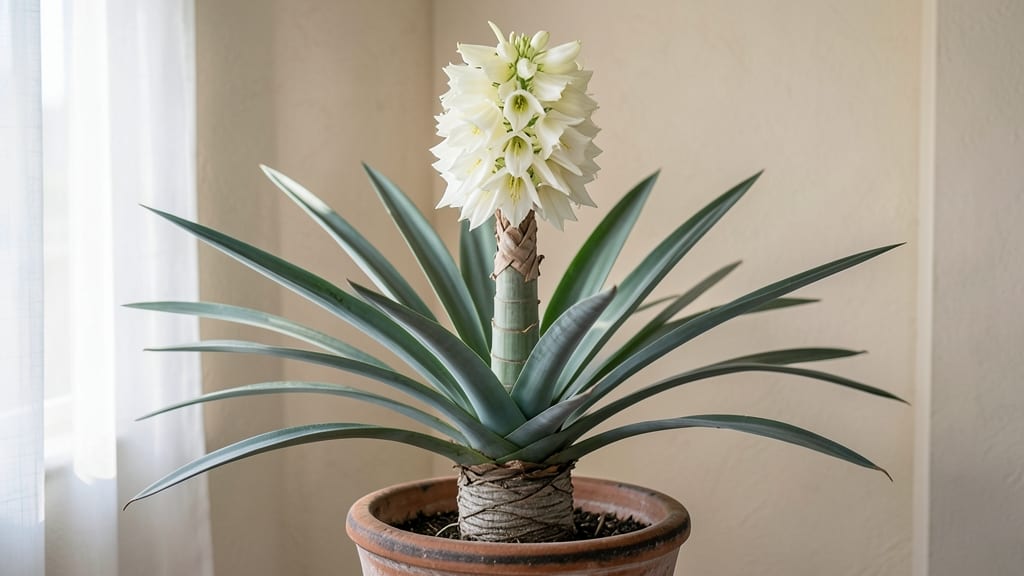
The yucca bloom time in late spring to summer transforms your garden with striking flower spikes that rise like desert torches 🌵 — but how long does this dazzling display last?
If you’ve ever waited impatiently for those towering blooms to appear, only to wonder why they vanish so quickly, you’re not alone. The truth is, yucca bloom time varies wildly depending on the species, climate, and even the age of your plant.
For most gardeners in zones 6-11, the peak bloom window stretches from May through July, with individual flowers lasting 5-10 days before fading. But with the right care—like proper sunlight and well-draining soil—you can coax longer, more frequent blooms from your desert beauty.
In this guide, I’ll break down exactly how long to expect those dramatic spikes, what factors can shorten or extend their lifespan, and the key tricks to encourage your yucca to put on its best show year after year.
How long do yucca flowers bloom: duration by species
Yucca plants reward patience with their striking, architectural blooms—but their flowering duration varies dramatically by species. While some varieties burst into dramatic spikes for just 1-2 weeks, others may linger for 6-8 weeks under ideal conditions.
Understanding these differences helps you set realistic expectations and optimize care for your specific yucca variety.
The Yucca elephantipes (spineless yucca) is the most common type in gardens, typically producing panicle-shaped flower clusters that bloom for 3-5 weeks in late spring to early summer. Meanwhile, Yucca filamentosa (Adam's needle) often flowers slightly longer, with 4-6 weeks of vibrant blooms that attract pollinators like hummingbirds.
These timelines can shift based on your climate and care practices.
🌵
Your yucca's maturity level plays a critical role in bloom duration. Younger plants—typically under 3-5 years old—may produce shorter-lived flowers or skip blooming entirely.
For example, a 5-year-old Yucca elephantipes might only bloom for 2 weeks in its first year, while a 10-year-old specimen could extend that to 5 weeks with proper care.
Environmental factors like temperature and sunlight exposure also influence bloom longevity. Yuccas in USDA Zones 8-11 often enjoy longer flowering periods because they experience milder winters and consistent sunlight. In contrast, those in Zones 6-7 may see shorter blooms due to cooler temperatures and shorter daylight hours in spring.
🌞
One often-overlooked factor is watering habits during the blooming season. While yuccas are drought-tolerant, providing deep watering every 2-3 weeks during their bloom cycle can extend flower life by up to 20%.
Avoid overhead watering, which can damage delicate blossoms. Instead, water at the base of the plant in the early morning to prevent fungal issues.
For container-grown yuccas, bloom duration may be shorter due to limited root space and nutrient availability. If your potted yucca isn't flowering as long as expected, consider repotting into a larger container every 2-3 years and using a well-draining cactus/succulent mix.
This gives roots more room to establish and support longer blooming periods.
🪴
Finally, pruning spent blooms doesn't affect next year's bloom duration but can redirect the plant's energy toward future growth. Always remove flower stalks at the base with clean, sharp shears after they've fully browned.
This practice encourages stronger, more vigorous blooms in subsequent seasons for varieties like Yucca filamentosa, which can become reliable biennial bloomers with proper care.
By tailoring your care to your specific yucca species and local climate, you can maximize bloom duration and enjoy these striking plants for years to come.
Whether you're growing a towering Yucca elephantipes or a compact Yucca rostrata, understanding these timelines transforms your garden into a predictable paradise of architectural beauty.
🌻
Why your yucca isn’t blooming: common reasons and fixes
If your yucca plant refuses to bloom, don’t panic—it’s often a fixable issue. Yuccas are slow to mature, and even healthy plants may take 3-7 years before their first flower spike. Patience is key, but proper care can speed up the process significantly.
First, check the plant’s maturity level. Most yuccas need to reach 3-5 feet tall before they’re ready to flower. If yours is still young, simply wait and provide optimal growing conditions to encourage faster growth.
⚠️ WARNING: Common Mistakes That Prevent Blooming ⚠️
⚠️ Insufficient sunlight halts flowering. Yuccas need 6+ hours of direct sun daily. If your plant is indoors or in shade, move it immediately to a sunnier spot.
⚠️ Poor soil drainage suffocates roots. Amend heavy soil with sand or gravel to create a gritty, well-draining mix. Yuccas hate soggy feet!
Next, evaluate your light exposure. Even mature yuccas won’t bloom if they’re not getting enough sun. If you’re in a cooler climate (Zones 6-8), supplement with a grow light during winter months when daylight is limited.
Soil conditions play a crucial role too. Yuccas thrive in sandy, well-draining soil with a neutral to slightly alkaline pH (6.5-7.5). Test your soil and amend it with compost or perlite if needed. Overly rich or clay-heavy soil can delay blooming.
Seasonal triggers matter too. Yuccas typically bloom in late spring to early summer, but they need a period of cool dormancy in winter to trigger flower buds. If you’re in a warm-winter zone (Zones 9-11), mimic dormancy by reducing water and fertilizer in late fall.
To encourage blooms, give your yucca a light fertilizer boost in early spring using a low-nitrogen, high-phosphorus formula (like 5-10-10). This promotes root and flower development without excessive foliage growth. Avoid fertilizing in summer—yuccas are dormant then.
Finally, remember that stress can trigger blooming. A slight water restriction or a move to a sunnier spot might be all it takes to coax those dramatic flower spikes. With the right care, your yucca will reward you with stunning blooms in just a few seasons! 🌵