
Blooming
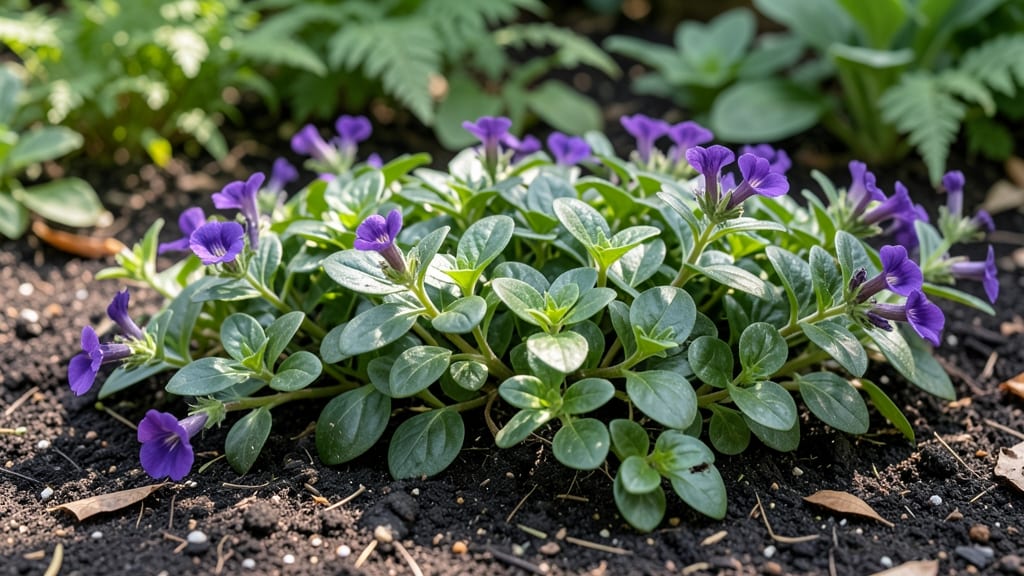
Vinca minor blooms in late spring to early summer 🌸, but the exact timing depends on your zone and how you care for it.
If you’ve ever wondered why your vinca minor isn’t blooming—or when to expect those stunning purple spikes—timing is everything. This hardy perennial thrives on patience, but knowing its bloom cycle can transform your garden from 'meh' to 'wow' with minimal effort.
In USDA Zone 6a, like where I garden, vinca minor typically bursts into color around mid-May, though cooler springs can push it into June. Warmer southern zones see blooms as early as April, while northern gardens might wait until late spring or early summer.
Below, I’ll break down how to encourage earlier blooms, regional variations, and simple care tips to keep your vinca minor flowering longer—so you can enjoy those cheerful purple spikes all season.
Vinca minor bloom time by USDA hardiness zones: when to expect purple flowers
Vinca minor (common periwinkle) rewards gardeners with its striking purple-blue blooms, but timing varies dramatically across USDA hardiness zones 4-11. Understanding these patterns helps you set realistic expectations and adjust care for earlier—or more abundant—flowering. In colder zones, expect blooms as early as late April, while warmer regions may see flowers stretch into June. Microclimates can shift this window by 2-4 weeks, so pay attention to local frost dates and shade patterns.
This evergreen perennial typically flowers in early to late spring, with a secondary flush possible in late summer under ideal conditions. The key factors influencing bloom time are chill hours, daylight exposure, and soil moisture.
For example, Zone 4 plants may need 60+ days below 40°F to trigger blooming, while Zone 10 vincas respond more to consistent temperatures than cold exposure. Let’s break down what to expect in your specific zone.
🌱 Pro Tip: If your vinca minor isn’t blooming by mid-May in your zone, check for over-fertilization (too much nitrogen delays flowers) or poor light conditions. A light pruning after the first bloom can encourage a second flush in late summer.
In Zones 4-5, vinca minor often blooms 2-3 weeks later than in milder zones because it requires cold stratification to break dormancy. If you’re in Zone 4 and notice blooms appearing in late May instead of April, your plant may be overwhelmed by shade or lacking nutrients.
A balanced fertilizer (10-10-10) applied in early spring can jumpstart growth and encourage earlier flowers.
Zone 6-7 gardeners typically enjoy the longest bloom windows, with peak flowering in late May to early June. Here, vinca minor thrives on morning sun and afternoon shade, which prevents leaf scorch while maintaining bloom vigor. If your vinca minor in this zone isn’t flowering by mid-May, consider relocating it to a sunnier spot or dividing overcrowded clumps to stimulate new growth.
Southern gardeners in Zones 8-11 often see vinca minor bloom earlier in the year, sometimes as early as February. However, Zone 10-11 plants may produce smaller, less frequent blooms if temperatures stay above 70°F year-round.
To extend the bloom season, deadhead spent flowers and water deeply but infrequently to avoid root rot. In these zones, vinca minor may also rebloom in late summer if given proper care.
Microclimates play a huge role in vinca minor bloom time. For example, a north-facing slope in Zone 6 might delay blooms by 1-2 weeks compared to a south-facing border. Similarly, urban heat islands can advance bloom times by 10-14 days in Zone 7.
To account for these variations, observe nearby mature vinca plants in your neighborhood—they’re the best local indicators of timing.
💡 Light Adjustment Tip: If your vinca minor is skipping blooms, try moving it to a spot with 3-4 hours of direct morning light. Avoid hot afternoon sun, which can stress the plant and reduce flowering. A light dappling of shade (like through tree leaves) often yields the best results.
Finally, remember that vinca minor is a slow but steady bloomer. First-year plants may produce only a few flowers, while established clumps (3+ years old) can cover themselves in purple spikes. If you’re impatient, prune back 1/3 of the plant in early spring to encourage
How to encourage earlier vinca minor blooms: pruning, fertilizing, and light tips
Want those vinca minor blooms to appear sooner? Timing is everything, and small adjustments can make a big difference. This hardy ground cover typically blooms in late spring to early summer, but with the right care, you can coax earlier—and sometimes even second—flowering.
The key lies in pruning strategies, smart fertilizing, and optimizing light exposure.
Many gardeners unknowingly delay blooms by pruning at the wrong time or over-fertilizing. Vinca minor responds well to gentle encouragement, but it needs consistency.
Start by understanding its natural cycle: blooms emerge after new growth in spring, so anything that disrupts this rhythm—like heavy pruning or nutrient overload—can push back flowering. Let’s fix that with actionable tips you can try this season.
Let’s start with pruning, the most impactful tool for encouraging earlier blooms. Many gardeners make the mistake of pruning vinca minor in early spring, but this removes next year’s flower buds. Instead, wait until after blooming (late May to June) to trim back leggy stems by one-third.
This gives the plant time to recover and set new buds for a potential second bloom in late summer or fall.
For fertilizing, timing matters just as much as the type. A balanced organic fertilizer (like compost or fish emulsion) applied in early spring provides the nutrients needed for robust growth.
Avoid synthetic fertilizers high in nitrogen—they’ll produce lush leaves but delay flowering. I’ve found that a light feeding in September can also encourage a late-season bloom if your climate is mild.
Don’t overlook light adjustments—this is where many gardeners miss the mark. Vinca minor thrives in partial shade but needs at least 3-6 hours of morning sun to bloom reliably. If your plant isn’t flowering, it might be getting too little light.
Try moving it to a sunnier spot (like near an east-facing window or under dappled tree shade) for 4-6 weeks before expecting changes.
Finally, watering habits play a surprising role in bloom timing. Deep, infrequent watering (about 1 inch per week) encourages strong root development, which in turn supports more abundant flowering. Shallow watering or letting the soil dry out completely can stress the plant and delay blooms.
Always water in the morning to reduce fungal risks and give the plant a full day to dry out.
With these adjustments, you’ll likely see earlier and more abundant blooms next season. The key is consistency—stick to the timing for pruning, fertilizing, and light, and your vinca minor will reward you with those stunning purple spikes sooner than ever. Happy gardening! 🌸