
Blooming
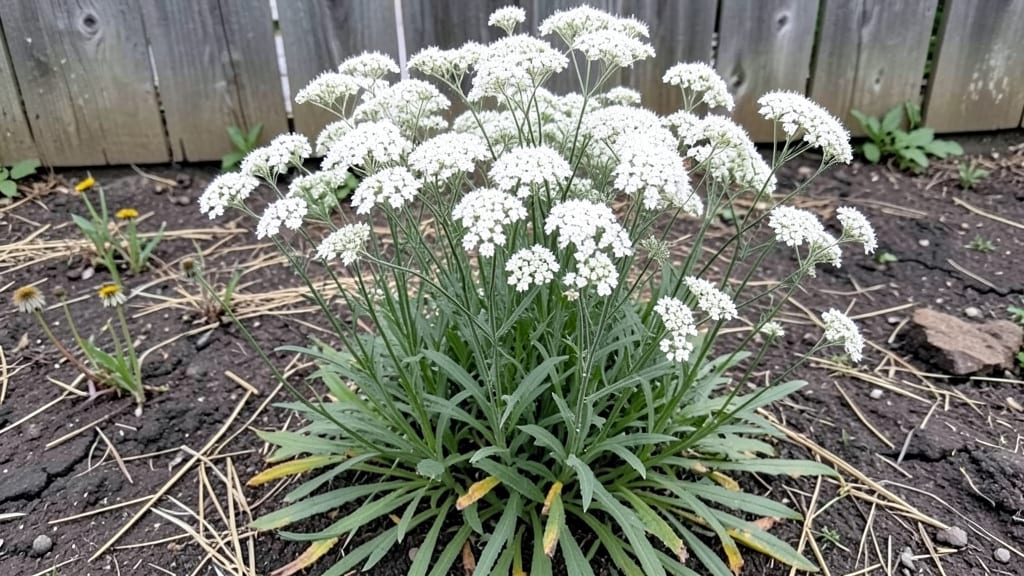
Babys breath blooms in late spring to early summer, typically between May and June, though exact timing depends on climate, planting season, and variety. Cool-season types may rebloom lightly in fall with proper care.
Timing isn't just about the calendar—it's about your local environment. 🌸 In warmer climates like Southern California, babys breath often starts blooming as early as April, while Northern regions might see flowers appearing closer to June.
Even the moon phase when you plant can subtly influence when those delicate clusters emerge, with roots establishing stronger in the soil's cooler phases.
What's fascinating is how some varieties respond to seasonal cues differently. Cool-season types, for instance, might wait for consistent temperatures below 60°F before pushing through the soil, while heat-tolerant strains can handle 80°F days without stress.
This explains why your neighbor's plants might bloom weeks before yours—it's not just luck, but precise growing conditions.
💡 In This Article
- Climate and Planting Factors Affecting Babys Breath Flowering
- Optimizing Babys Breath Blooms Through Care Techniques
Climate and planting factors affecting babys breath flowering
Here's what actually happens beneath the soil: babys breath flowering triggers rely on a precise balance of temperature and daylight hours. These plants are photoperiod-sensitive, meaning they respond to changes in daylight length.
In most regions, the critical threshold occurs when daylight exceeds 14 hours—typically around late April to early May. This extended daylight signals the plant's internal clock to shift from vegetative growth to flower production, a process governed by the plant hormone florigen.
The chilling requirement for cool-season varieties adds another layer.
These types need 6-8 weeks of temperatures between 35-50°F to break dormancy and initiate blooming. 🌱 For example, in USDA Zone 5, planting in early spring (March) gives roots enough time to establish before summer heat arrives, while Zone 9 gardeners might see delayed blooms if planted too late.
The science shows that insufficient chilling can leave plants "confused," resulting in sparse or stunted flowers.
Daylight hours create geographic variations that explain why timing differs by region. Northern climates (like Minnesota) experience the 14-hour daylight threshold later than Southern states (like Florida), which can reach this point as early as March.
What's fascinating is how this interacts with planting timing—fall-planted cool-season varieties often bloom earlier the following spring because they've already experienced some winter chilling.
Temperature extremes also play a surprising role. While babys breath thrives in 60-75°F ranges, prolonged heat above 85°F can stress plants and delay blooming. The flowers themselves are sensitive to temperature fluctuations—buds may drop if nighttime temperatures dip below 50°F during critical development stages.
This explains why some gardeners in transitional climates (like the Pacific Northwest) report more consistent blooms than those in extreme heat zones.
Consider these key factors when planning your planting schedule:
- Climate zone: Northern regions (Zones 3-5) typically see blooms 2-3 weeks later than Southern zones (Zones 8-10)
- Planting season: Spring planting gives 8-10 weeks of growth before summer blooming, while fall planting may produce earlier spring flowers
- Variety selection: Cool-season types need chilling; heat-tolerant varieties can handle 90°F days without stress
The most reliable blooms come from matching your planting to local frost dates. For example, in Zone 6, planting in early May gives roots time to establish before summer heat arrives, while Zone 8 gardeners can plant as late as June and still get fall blooms.
The key is understanding your last frost date and counting back 6-8 weeks for optimal timing. 🌿
What most people don't realize is how soil temperature affects root development. Babys breath roots need soil temperatures above 50°F to activate growth hormones. This is why early spring plantings in cold climates often struggle—roots remain dormant until the soil warms, delaying the entire flowering cycle by 2-4 weeks.
A simple soil thermometer can reveal whether your planting timing aligns with these critical thresholds.