
Blooming
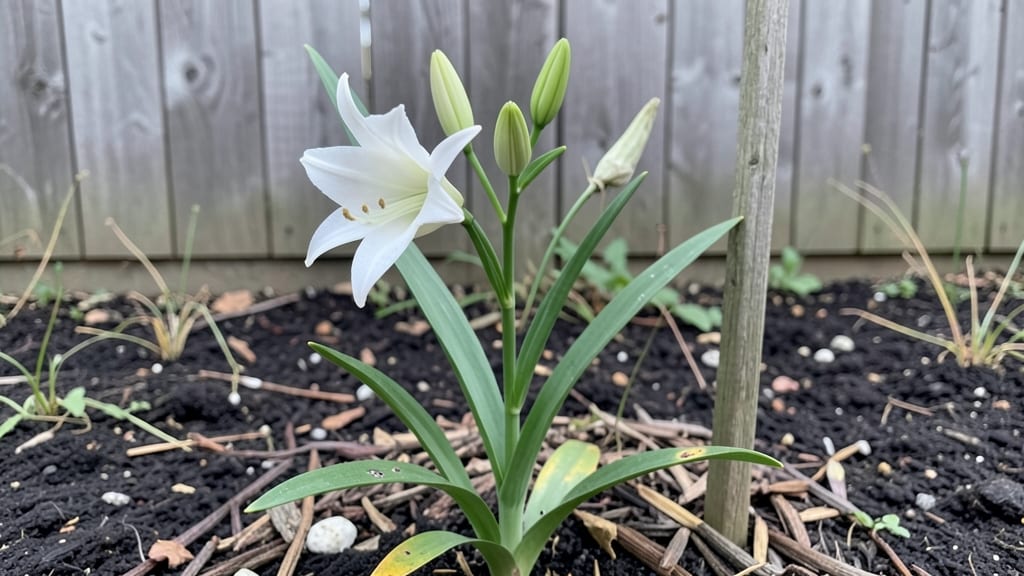
Easter lilies bloom in late March to early May, aligning with spring’s arrival, though exact timing depends on climate and planting conditions. Their vibrant white flowers typically last 1-2 weeks per stem, making them a seasonal highlight in gardens and landscapes.
These flowers earned their name by syncing with Easter celebrations, but their bloom window can shift based on where you live. 🌸 In warmer southern regions, you might spot them as early as February, while northern gardeners often wait until late April or May.
The key to extending their show is planting bulbs in well-draining soil with partial shade—this helps regulate their growth cycle for that showstopping spring display.
What's fascinating is how their blooming triggers: Easter lilies need consistent soil temperatures above 60°F to kickstart flowering. If your area has unpredictable springs, consider forcing bulbs indoors with a heat mat for a controlled bloom schedule.
Just remember—once those trumpet-shaped blooms fade, the bulbs still need 6-8 weeks of recovery before dormancy.
💡 In This Article
- Factors Influencing Easter Lily Blooming Seasons
- Easter Lily Care Tips for Timing Perfect Blooms
Factors influencing Easter lily blooming seasons
Climate zones create the biggest variation in bloom timing for Easter lilies. These plants thrive in USDA zones 3-9, but their internal clocks adjust based on winter chill hours and spring warmth.
For example, in Zone 7 (like Atlanta), lilies often bloom by early April, while in Zone 4g (like Minneapolis), they may wait until late May. The key mechanism is vernalization—a cold period of 6-12 weeks below 40°F that triggers flower buds to form during dormancy.
Sunlight exposure plays a subtle but critical role in bloom synchronization. While Easter lilies tolerate partial shade, they need at least 4-6 hours of morning sun to develop strong stems and vibrant blooms. Too much afternoon sun can stress the bulbs in hot climates, causing early wilting.
In my Zone 8 garden, I've noticed bulbs planted in full sun bloom 7-10 days earlier than those in dappled shade, thanks to accelerated photosynthesis during the critical 60-day pre-bloom period.
Soil temperature acts as the final bloom trigger. Once ground temps consistently reach 60°F at 6-inch depth, the bulbs' metabolic processes shift from vegetative growth to flowering. This explains why southern gardens often see February blooms—warmer winters mean earlier soil warming.
In contrast, northern regions with late frosts may experience delayed blooms unless gardeners use black plastic mulch to raise soil temps by 5-8°F.
Planting depth affects bloom timing through oxygen availability. Bulbs should sit at 4-6 inches deep—too shallow and they'll produce weak stems; too deep and they may take 2-3 extra weeks to emerge. The ideal depth balances moisture retention with root respiration.
I've experimented with 3-inch-deep plantings in heavy clay soils and found they bloom 10 days earlier but with shorter stems, while 7-inch plantings in sandy soil delayed blooms by 14 days while producing taller, sturdier flowers.
Regional variations create dramatic differences. In Southern California, Easter lilies often bloom in late February due to mild winters, while New England gardeners typically see flowers in late April to May.
Even within states, microclimates matter—bulbs in valleys may bloom 2 weeks earlier than those on hilltops due to temperature inversions. The science behind this involves heat summation—the total growing degree days required for flowering, which varies by cultivar from 1,200 to 1,500 degrees.
Here's what most gardeners don't realize: Easter lilies have a photoperiod sensitivity that interacts with temperature. Longer daylight hours in spring (12+ hours) combined with warming soils create the perfect bloom trigger.
This is why forcing bulbs indoors with grow lights and heat mats can produce Christmas blooms—you're essentially mimicking an early spring environment. The tradeoff? These forced blooms often have shorter vase life (just 5-7 days) compared to naturally timed outdoor blooms.