
Blooming
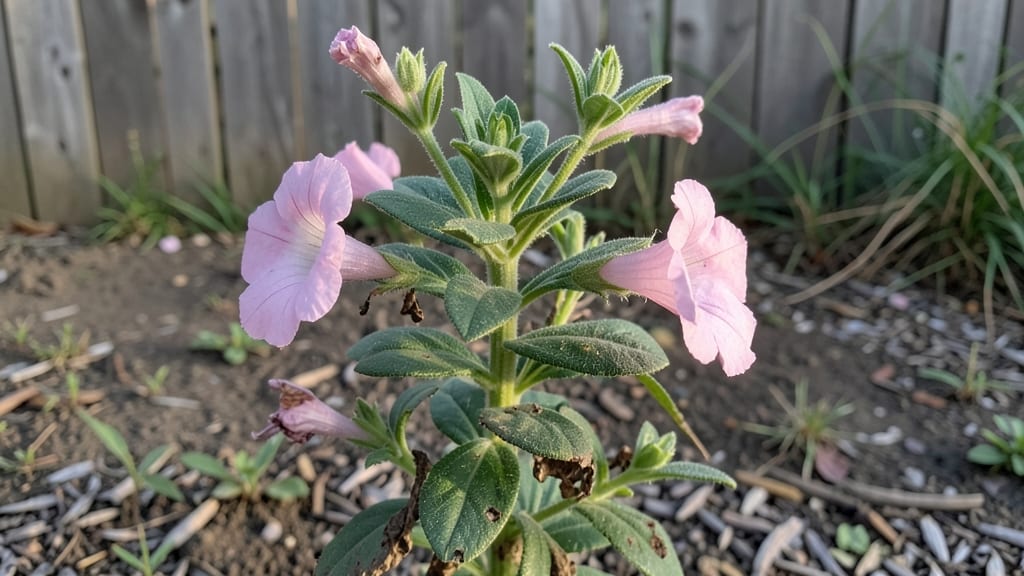
Four o’clock flowers bloom in late afternoon to evening, typically starting in mid-to-late summer (July-August) in warm climates and extending into early fall (September-October), with some varieties reblooming sporadically until frost. Their name reflects their 4 PM opening time, triggered by sunlight and temperature shifts.
These vibrant blooms sync perfectly with the sun’s golden hours, opening their trumpet-shaped petals as temperatures dip—often between 3 PM and 6 PM. 🌅 The magic happens when daylight wanes and evening breezes kick in, though cooler climates might see them delay until late August or even September.
What’s fascinating is how their blooming rhythm adapts: some tropical varieties stay in full bloom until the first frost, while northern gardens may only enjoy a 6-8 week window of peak color.
For gardeners, timing matters—planting heat-tolerant varieties like Mexican Four O’Clocks ensures earlier blooms, while cooler-loving types (such as Marlborough Hybrid) stretch the season into fall. 💫 A little pruning after the first flush can coax a second round of flowers, making them a low-maintenance star for extended summer-to-autumn displays.
💡 In This Article
- How Light and Temperature Trigger Four O’Clock Flower Blooms
- Extending Four O’Clock Bloom Seasons with Gardening Tips
How light and temperature trigger four o’clock flower blooms
Here's what's actually happening inside those trumpet-shaped buds: Four o’clock flowers use a clever biological trick called photoperiodism—they measure daylight length to time their opening. 🌞 When daylight hours shorten in late summer, their internal clock detects this shift and triggers the bloom cycle.
The key factor is the 6-8 hour darkness window they need to fully open, which typically aligns with the 4 PM to sunset timeframe in most climates.
Their blooming rhythm also depends on thermoregulation—warmer afternoon temperatures (around 75-85°F) help soften the buds, while cooler evening air (dropping to 65-70°F) signals them to unfurl. This dual mechanism explains why they often close by 9-10 PM when temperatures drop further.
Tropical varieties, like Mexican Four O’Clocks, bloom earlier because they thrive in consistent 80°F+ temperatures, while northern varieties wait for cooler 70°F days to prevent heat stress.
Regional climate variations create dramatic differences in bloom timing. In USDA Zone 9-10 (southern states), flowers may start blooming as early as late June with continuous summer heat, while Zone 5-6 (northern regions) often sees first blooms in late July or August when soil temperatures reach 60°F+.
What most people don't realize is that these flowers are also humidity-sensitive—high humidity can delay opening until evening, while dry air may cause them to bloom slightly earlier.
This botanical precision isn't just about aesthetics—it's an evolutionary survival strategy. The late-afternoon blooming attracts moths and hummingbirds that are most active during these hours, while the scent (often sweet and citrusy) peaks when pollinators are most active.
The flowers' velvety petals also reflect heat differently than daytime bloomers, helping them stay cooler during peak afternoon sun. 🌸 This dual adaptation explains why they thrive in both tropical and temperate climates, though their exact timing shifts with latitude.
For gardeners, understanding these triggers means you can influence bloom times slightly. Planting in full sun locations with afternoon shade (like near a west-facing wall) can help regulate temperature swings, while mulching keeps soil temps stable.
The Marlborough Hybrid variety, for example, blooms 2-3 weeks later than tropical types because it's bred to handle 10°F cooler nights—perfect for northern gardens where summer heat is brief.
The most fascinating part? Some varieties can reset their internal clocks after a frost if given time to recover. This explains why you might see sporadic blooms in September or even October—the plant detects the returning warmth and tries again.
It's nature's way of giving gardeners a second chance at those iconic trumpet-shaped blooms. 💫