
Blooming
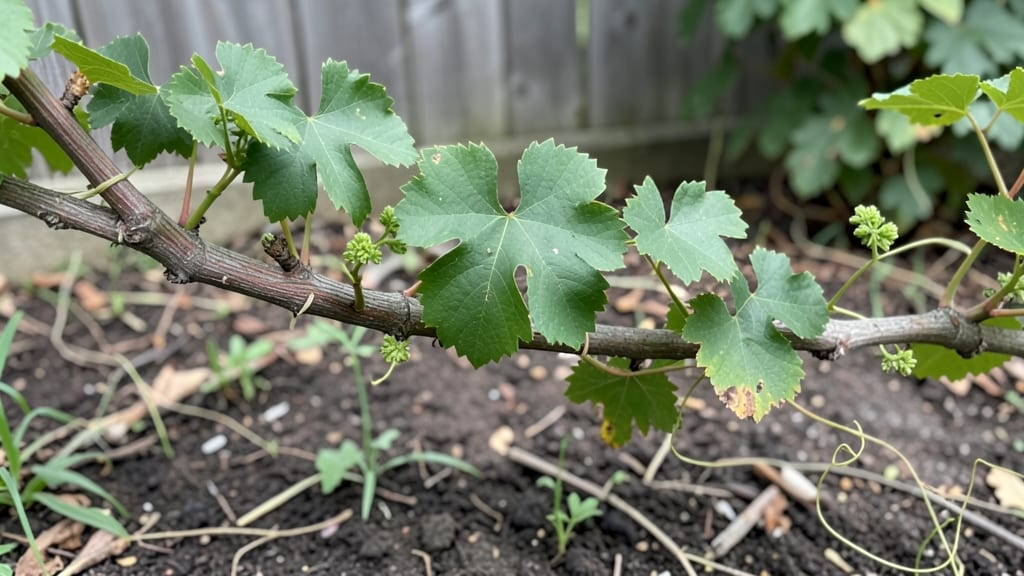
Grape vines bloom in late spring to early summer, typically between May and June in most temperate climates, though exact timing depends on variety and climate zone. Cool springs delay flowering, while warm weather triggers earlier blooms, directly impacting fruit yield and ripening schedules.
Timing grapevine blooms isn’t just about the calendar—it’s a delicate dance between nature and cultivation. 🌸 Varieties like Pinot Noir often burst into flower earlier than Cabernet Sauvignon, while sudden temperature swings can throw off the entire cycle.
I’ve seen frost-sensitive regions like Oregon shift their pruning schedules to protect delicate buds, since even a single cold snap can devastate a season’s yield.
What’s fascinating is how sunlight plays a hidden role: vines need at least 6-8 hours of direct light daily to trigger blooming, but too much heat without proper hydration can stress the plant.
That’s why experienced growers monitor soil moisture and adjust irrigation just before buds swell—it’s all about giving the vine the right signals to bloom successfully.
💡 In This Article
- Grape Vine Blooming Stages and Climate Factors
- How to Time Grape Vine Care for Optimal Blooming
Grape vine blooming stages and climate factors
Here's what's actually happening during grapevine blooming: the process unfolds in three distinct phases, each with specific biological triggers. First comes bud swell, where dormant buds absorb moisture and begin expanding—this typically kicks off when daytime temperatures consistently reach 50-55°F for several days.
Inside each bud, tiny flower clusters form, though they remain tightly packed and invisible to the naked eye. The second phase, flower cluster emergence, occurs when buds burst open to reveal delicate green tendrils, usually within 7-10 days of initial swelling.
Full bloom—the third phase—is when the magic happens: tiny flowers open wide, revealing their reproductive structures. This stage lasts about 5-7 days and requires 70-80°F daytime temperatures for optimal pollen development.
What most people don't realize is that grapevines are self-pollinating but rely on bees for cross-pollination—without them, fruit set can drop by 30-50%.
The difference between early bloomers like Pinot Noir (which may flower in late April) and late bloomers like Cabernet Sauvignon (June) comes down to genetic programming and chilling requirements during winter dormancy.
The science behind timing involves a process called vernalization, where grapevines need 200-1,000 hours of temperatures below 45°F during winter to "reset" their biological clock. This explains why northern climates often see delayed blooming—vines need more cold exposure.
Meanwhile, regions with mild winters (like parts of California) can experience blooming as early as March. Frost risk becomes critical during these early stages: a single night below 28°F can kill emerging flowers, wiping out that year's crop before it even begins.
Sunlight plays a hidden but crucial role too—vines need 6-8 hours of direct sunlight daily to produce the energy required for flowering. Without adequate light, buds may swell but fail to open properly, leading to what growers call "shatter" (when flowers drop prematurely).
The interplay between temperature and sunlight creates what's known as the phenological clock of grapevines, where each variety has its own internal schedule. For example, Zinfandel typically blooms 10-14 days earlier than Cabernet Sauvignon in the same climate zone.
Consider these key factors when assessing bloom timing:
- Chilling hours: Northern varieties need 1,000+ hours below 45°F, while southern varieties thrive with 200-400 hours
- Daytime warmth: Buds swell best at 50-55°F, while flowers need 70-80°F to open properly
- Nighttime temperatures: Drops below 50°F can delay blooming by 1-2 weeks
The practical implication of understanding these stages is massive for growers. Knowing your vine's bloom window lets you time frost protection, irrigation, and pest control perfectly.
For instance, in frost-prone areas, growers might use wind machines or smoke blankets during critical bloom periods to raise temperatures just enough to protect flowers. The difference between a good year and a disaster year often comes down to understanding these 3-4 week windows when vines are most vulnerable.
What most grape growers learn the hard way is that blooming isn't just about timing—it's about balance. Too much heat without proper hydration causes buds to abort, while too much water can dilute nutrient uptake.
The sweet spot involves monitoring soil moisture to maintain 1-2 inches of water per week during bloom, while ensuring proper drainage to prevent root rot.
This delicate balance explains why experienced growers often say "the vine knows best"—it's all about giving it the right conditions to follow its natural rhythm. 🌿