
Blooming
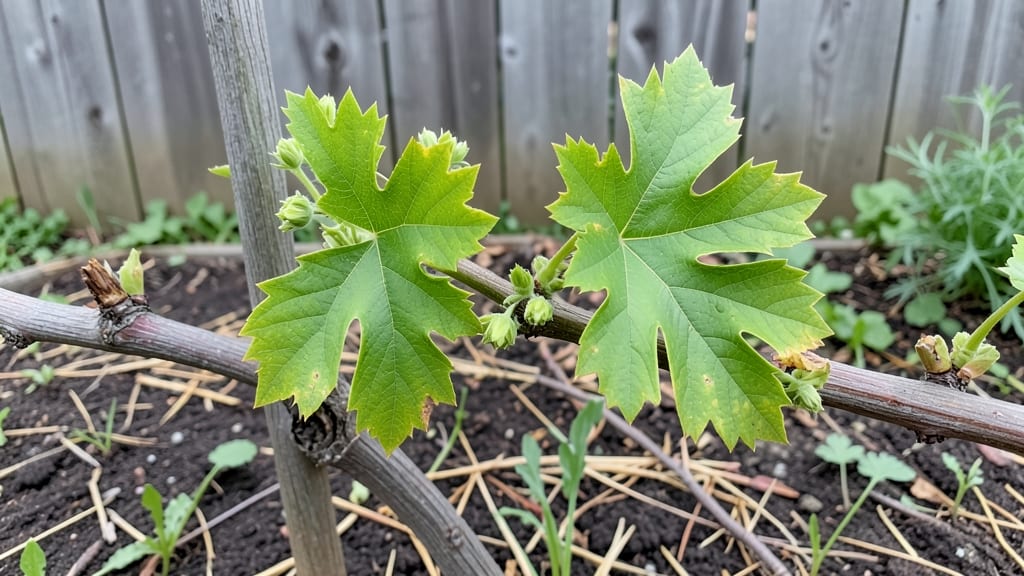
Grapes bloom in spring, typically between late April and early June, depending on the variety and climate zone, with most vines flowering within 2-3 weeks after last frost when daytime temperatures reach 60-85°F.
This delicate window of time is crucial because grape blossoms are highly sensitive to temperature swings—too much heat or cold can ruin the flowers before they even set fruit. 🌸 For example, Cabernet Sauvignon thrives in warmer climates and may bloom later in June, while Concord grapes often start flowering in May when nights stay cool.
Even a single late frost can devastate an entire season's harvest, which is why many growers monitor local weather forecasts closely during these weeks.
What's fascinating is how chilling hours—those 32-45°F nights—actually trigger the blooming process in many varieties. Without enough of them, vines may produce fewer flowers or none at all.
I've seen Muscat grapes in coastal areas bloom weeks earlier than inland varieties because of milder winters, proving that microclimates play a surprisingly big role in this timing.
💡 In This Article
- Grapes Flowering Stages by Variety and Temperature Needs
- Optimizing Grape Vine Blooming Conditions in Your Garden
Grapes flowering stages by variety and temperature needs
Here's what's actually happening during grape blooming: the vine undergoes a precise biological sequence triggered by temperature cues. Most varieties require 500-1,000 chilling hours below 45°F during winter dormancy to break dormancy and initiate flower buds.
Once temperatures stabilize between 60-85°F in spring, the buds swell rapidly—this is when you'll see those iconic grapevine flowers appear in clusters. The process typically takes 7-14 days from first bud swell to full bloom, with each variety having its own internal clock.
Let's break down three common varieties and their unique timing patterns. Cabernet Sauvignon often blooms 4-6 weeks later than Concord grapes because it needs warmer soil temperatures (75°F) to trigger flowering.
Meanwhile, Muscat grapes—especially those grown in Mediterranean climates—can start blooming as early as late March when nights remain cool (50-55°F).
What's fascinating is how heat spikes above 90°F can actually delay flowering in some varieties by stressing the buds, while sudden temperature drops below 50°F can cause flower abortion, wasting the entire bloom cycle.
The key factor is how these temperature fluctuations interact with each variety's genetic makeup. For instance, Concord grapes (common in home gardens) often bloom in late May because they're adapted to cooler northern climates where they receive 1,000+ chilling hours annually.
In contrast, Zinfandel—a heat-loving variety—may not even begin flowering until mid-June in hotter regions like California's Central Valley. This is why vineyard managers in Napa Valley carefully select varieties that match their microclimate's specific temperature patterns.
What most people don't realize is how wind patterns during this period can dramatically affect pollination success. Grapes are self-pollinating but rely on gentle breezes (3-5 mph) to distribute pollen.
Strong winds (> 10 mph) can actually prevent proper pollination by shaking off the delicate flowers before fertilization occurs. This is why grape growers in windy coastal regions often plant windbreaks or use shade cloths during the critical 7-10 day bloom window to create optimal conditions.
Here's a practical comparison of bloom timing by region: In USDA Zone 5 (cool climates), most varieties bloom 2-3 weeks earlier than in Zone 8 (warm climates).
For example, Niagara grapes in Minnesota may bloom in early May, while the same variety in Arizona might not flower until late June.
The difference comes down to chilling requirements—cool-climate varieties need more winter cold to trigger spring blooming, while warm-climate varieties are adapted to bloom later when heat accumulates.
One advanced technique growers use is heat summation modeling, where they track growing degree days (GDD)—a measure of heat accumulation—to predict bloom timing. When GDD reaches 100-150 (calculated as daily avg temp minus 50°F), most varieties begin flowering.
This system helps explain why Chardonnay grapes in France's Burgundy region bloom 3 weeks earlier than identical vines planted in New York's Finger Lakes, despite being the same genetic material.
The bottom line? Grape blooming is a delicate balance of genetic programming and environmental cues. Understanding your specific variety's needs—and how your local climate interacts with them—can mean the difference between a bountiful harvest and a failed crop. 🌿