
Blooming
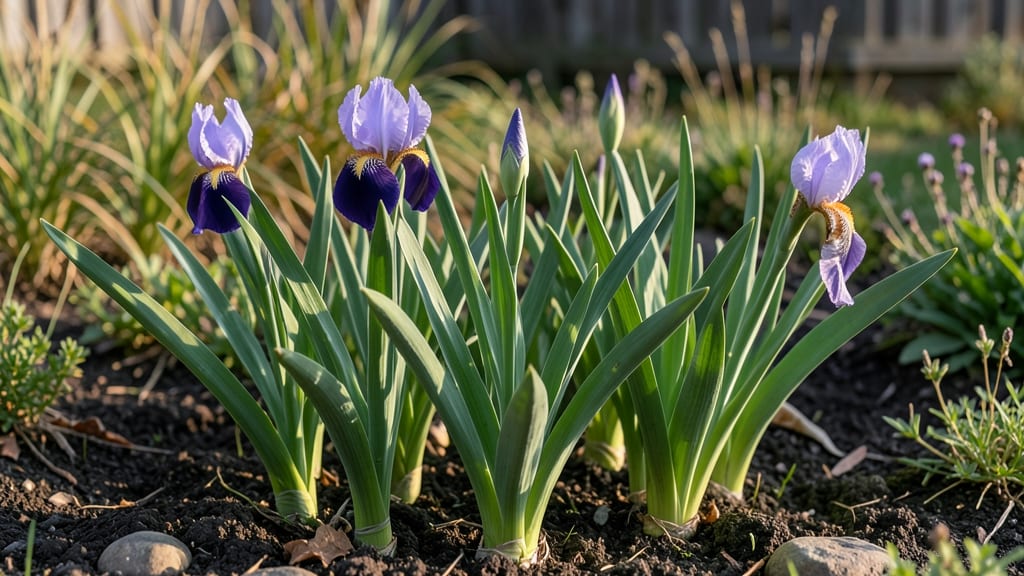
Iris bloom in Zone 6 between late April and early June 🌸, with most varieties lighting up your garden in May.
If you’ve ever watched your irises peek through the soil only to wonder, "Why so late?"—you’re not alone. Zone 6’s fluctuating spring temperatures can push blooms earlier or later, depending on whether you’ve got bearded, Siberian, or reblooming types.
Some even surprise you with a second show in late summer!
The key to predicting their timing lies in sunlight, soil, and variety. Bearded irises, the classic showstoppers, usually bloom first, while Siberians and Japanese irises follow a few weeks later.
A little extra care—like well-draining soil and morning sun—can shift their schedule by 1-2 weeks, ensuring your garden stays vibrant longer.
Below, I’ll break down the exact months for each type, plus pro tips to coax earlier or later blooms so you’re never left waiting for that first splash of color.
Iris bloom times in Zone 6: exact months by variety type
If you're planning your Zone 6 garden around iris blooms, timing is everything. In this region, temperature swings between 30°F and 80°F can shift bloom windows by 2-3 weeks. Understanding your iris type is key—bearded irises, Siberians, and Japanese varieties all have distinct schedules.
Let’s break down exactly when to expect those show-stopping blooms, plus how to time your garden prep for maximum impact.
Zone 6’s last frost date (around April 15) signals the start of iris season, but some varieties like early Siberian irises may bloom as early as late April if conditions warm up. Meanwhile, late-season Japanese irises might not peak until early June.
The secret? Soil temperature and daylight hours trigger blooming, so microclimates in your yard (like sunny vs. shaded spots) can create a staggered display that lasts 4-6 weeks.
Here’s the exact bloom timeline for the most popular iris types in Zone 6, including how to spot early vs. late bloomers in your garden:
Notice how Siberian irises are the early bloomers in Zone 6, often popping up when last frost has barely passed. This makes them perfect for cutting gardens—you can snag stems for bouquets as early as late April if your microclimate warms up faster.
Meanwhile, Japanese irises love the humidity of Zone 6 summers and reward you with late-season color when many other perennials are fading.
For bearded irises, the peak bloom usually aligns with Memorial Day weekend (late May), making them a garden centerpiece for outdoor gatherings. Pro tip: If your Zone 6 spring is unusually cold, these may bloom 2 weeks later.
Monitor soil temps—once they hit 60°F consistently, blooms will follow within 10-14 days.
Dwarf irises are the underrated gems of Zone 6 gardens. Their compact size (1-2 ft tall) and mid-May blooms fit perfectly in rock gardens or container displays. Unlike their taller cousins, they don’t need staking and thrive in full sun with sharp drainage.
Plant them near pathways or patio edges for easy enjoyment without sacrificing garden space.
If you’re growing reblooming iris hybrids, you’ll get a two-act show: the first bloom in late May and a second flush in late August. To encourage this, deadhead spent blooms immediately and feed with a balanced fertilizer (5-10-10) in early spring.
These varieties are worth the extra care—their extended display can keep your garden vibrant from May through September.
Zone 6’s unpredictable springs can throw off bloom timing, but you can
How to adjust iris bloom timing in Zone 6: light, soil, and care tips
Zone 6’s unpredictable springs can throw off your iris bloom schedule, but with the right adjustments, you can coax those vibrant blooms to appear exactly when you want. Whether you’re aiming for earlier spring color or a late-summer extension, light exposure and soil prep are your best tools.
The key lies in understanding how temperature fluctuations and watering patterns interact with your iris varieties.
For example, bearded irises typically bloom in late May to early June in Zone 6, but with strategic care, you can shift that window by 2-3 weeks. The secret?
Start by adjusting their sunlight exposure and soil moisture during the fall planting season. This sets the stage for earlier or delayed blooms the following year.
- 🌱 Early Blooms: Plant rhizomes in early September for 2-3 week earlier blooms. Use black plastic mulch to warm soil faster in spring.
- ☀️ Sunlight Shift: Move clumps to southern exposures by mid-February to extend daylight exposure by 1-2 hours daily.
- 💧 Water Timing: Deep-water every 10 days from March 1-March 15 to trigger early growth without over-saturating soil.
- 🌡️ Soil Prep: Amend beds with composted manure in fall to boost phosphorus levels—critical for root development before blooming.
- ✂️ Pruning Hack: Trim 1/3 of fan leaves after first frost to redirect energy to rhizome storage for stronger next-year blooms.
To delay blooms, focus on soil moisture control and shade manipulation. Irises planted in partial shade (4-6 hours of sun) will naturally bloom 2-4 weeks later than those in full sun.
Pair this with reduced watering in late spring—cut back to every 14 days once buds form—to slow growth and extend the bloom period.
Fertilizing at the right time is non-negotiable. Apply a balanced 5-10-10 fertilizer in early April when you see new shoots emerge. This timing ensures your irises have the phosphorus boost they need for bud formation without encouraging excessive foliage growth that can delay blooms.
Avoid fertilizing after June 1st, as this can stimulate new growth that won’t harden off before Zone 6’s first frost.
Protecting rhizomes from Zone 6’s late spring frosts (which can occur as late as May 10th) is another game-changer. Use frost cloth over newly emerged shoots until May 15th, especially for early-blooming varieties.
This simple step can mean the difference between wilting buds and full, vibrant blooms that last for weeks.
Remember, consistency is key. Irises respond best to predictable care routines, so stick to your chosen adjustments year after year.
With these techniques, you’ll transform your Zone 6 garden into a sequential bloom show that starts in late April and stretches into July—giving you color when you need it most. 🌸