
Blooming
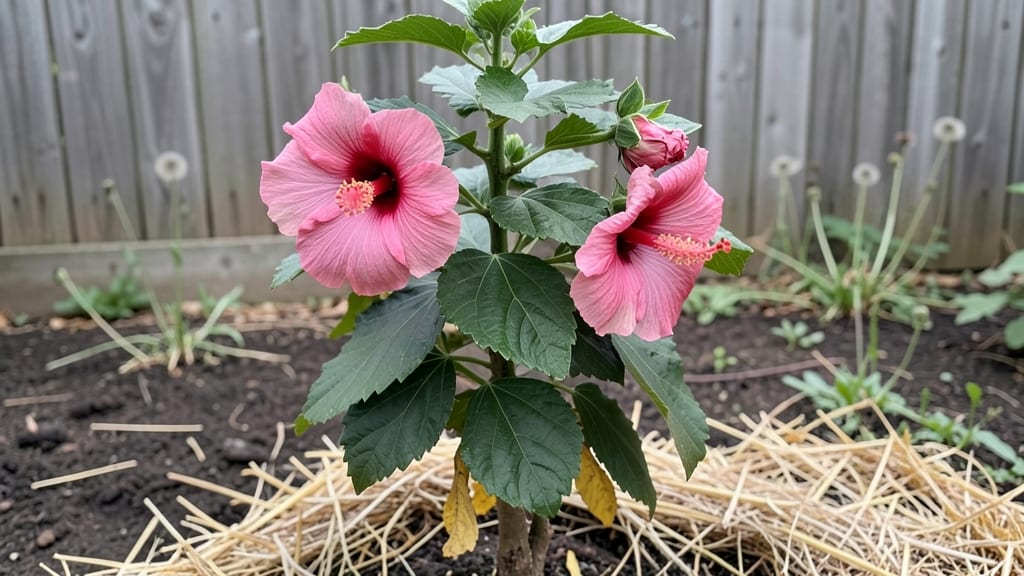
Hardy hibiscus bloom in late summer through early fall, typically from August to October, though timing varies by climate zone and variety. Some cultivars may produce sporadic flowers in spring if given optimal sunlight and moisture.
If you're growing hardy hibiscus in warmer regions like USDA zones 8-10, expect vibrant blooms as early as July—some tropical varieties even push into June with consistent care. 🌿 In cooler zones (5-7), frost sensitivity often delays flowering until September, so choose cold-hardy cultivars like 'Lord Baltimore' if you want reliable late-season color.
The key to spring blooms lies in protecting plants from late frosts and maintaining 6+ hours of sunlight daily—even partial shade can shift timing by weeks.
💡 In This Article
- Climate Zones and Hardy Hibiscus Flowering Seasons
- Pruning and Care Tips to Extend Hardy Hibiscus Blooms
Climate zones and hardy hibiscus flowering seasons
Here's what's actually happening with hibiscus blooms: these plants are photoperiod-sensitive, meaning their flowering triggers rely on day length and temperature shifts.
In USDA zones 8-10, where winters rarely drop below 20°F, hibiscus sense the increasing daylight of summer and begin blooming as early as July—some tropical varieties even start in June if given perfect growing conditions.
The key mechanism is the plant's internal clock responding to 14+ hours of daylight, which signals it's time to produce flowers rather than focus on leaf growth.
The colder your zone, the later the blooms appear because frost risk delays the plant's confidence in putting energy into flowers. In zones 5-7, where hardy hibiscus can survive winters, blooms typically wait until September to avoid frost damage.
For example, 'Lord Baltimore'—a cold-hardy cultivar—often waits until after the last frost date in May before pushing new growth, then blooms 8-10 weeks later when nights stay above 50°F. This delay is a survival strategy to protect delicate blooms from late-season frosts that can kill flowers overnight.
What most people don't realize is how microclimates within zones create variations. A hibiscus in a sheltered urban garden in zone 7 might bloom 2 weeks earlier than one in an exposed rural area, thanks to urban heat islands that raise temperatures by 5-10°F.
Similarly, coastal regions in zone 9 with mild winters may see hibiscus blooming as early as June, while inland areas might not see flowers until August. This is why gardeners in transitional zones (like zone 7b) often get the most variable bloom times.
For those wanting to coax spring blooms, the science involves manipulating these natural triggers. Hardy hibiscus need consistent moisture (soil should never dry completely) and full sun exposure (6+ hours daily) to push early growth.
In zone 6, where winters dip below 0°F, mulching with 4-6 inches of organic matter can protect roots and encourage earlier spring regrowth. Some gardeners also use row covers to shield new growth from late frosts, allowing blooms to appear 3-4 weeks earlier than normal.
The most dramatic regional variation occurs between coastal and inland areas. In Florida (zone 9-10), hibiscus may bloom year-round with minimal care, while in New England (zone 5), they might only produce one flush of blooms in September before winter dormancy.
This geographic spread means bloom timing can vary by up to 4 months between the warmest and coldest hardiness zones. The secret to success? Choose cultivars matched to your local climate—tropical hibiscus won't survive zone 5 winters, but hardy types like 'Dwarf Red' thrive there.
One advanced technique for extending bloom seasons involves selective pruning. In zones 7-9, cutting back one-third of the plant's height in early spring can stimulate a second flush of blooms in late fall.
This works because it removes old wood that would have produced fewer flowers, redirecting the plant's energy toward new growth. Just be sure to prune after the last frost date—cutting too early in cold zones can expose tender new growth to frost damage.
Remember this: the earliest bloomers are almost always found in zones 9-10, while the latest bloomers thrive in zones 5-6. The middle zones (7-8) offer the most flexibility for gardeners to experiment with care techniques to shift bloom timing by weeks. 🌸