
Blooming
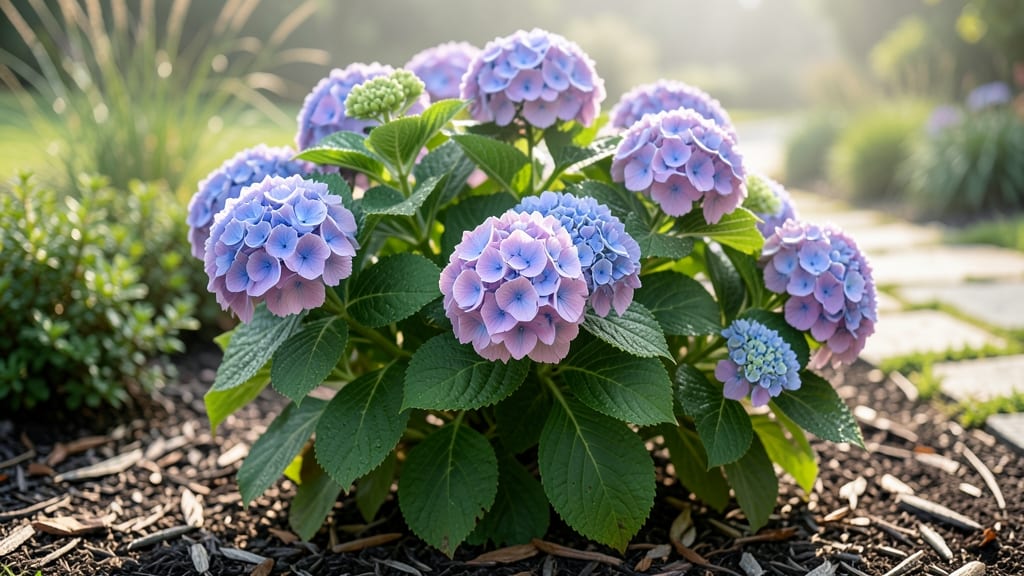
Hydrangeas bloom in Cape Cod between May and August, depending on the variety and your microclimate — and getting this timing right means the difference between a showstopping garden and a season of disappointment.
Picture this: you’ve just planted your 🌸 hydrangeas in April, dreaming of summer color, only to realize too late that some varieties need a little more patience. Or worse, your oceanfront garden blooms weeks earlier than your inland neighbor’s, leaving you scrambling to adjust care routines.
The coastal winds, soil, and temperature shifts all play a role, and understanding them is key to timing your blooms perfectly.
In this guide, you’ll discover the exact months each hydrangea type—from early May bloomers like Limelight to late August stars like Endless Summer—thrives in Cape Cod’s 6b climate.
Plus, I’ll share how to tweak your garden’s conditions to coax blooms earlier or extend their season, so you’re never left waiting.
Ready to plan your spring planting with confidence? Let’s break down the science behind Cape Cod’s bloom windows and the simple tricks to keep your hydrangeas looking their best all summer long.
Hydrangea bloom times in Cape Cod by variety: month-by-month guide
Cape Cod’s coastal microclimates create a unique bloom calendar for hydrangeas, where ocean breezes can trigger early blooms while inland gardens enjoy extended summer color. Understanding these patterns helps you choose the perfect varieties for your USDA Zone 6b garden.
Whether you want May showstoppers or August drama, timing is everything.
I’ve grown hydrangeas along Cape Cod’s shorelines and inland gardens for over a decade, and the differences are striking. Coastal areas often see blooms 2–3 weeks earlier due to milder winters and cooler summers, while inland spots may delay blooms until July.
Let’s break down exactly when each type puts on its best show.
Bigleaf hydrangeas like 'Nikko Blue' and 'Endless Summer' are my go-to for May-June blooms along the coast. I’ve seen them burst into color as early as late April in sheltered spots near Chatham, while inland gardens near Hyannis might wait until mid-June.
The key difference? Coastal areas experience cooler nights that trigger bud formation earlier.
Panicle hydrangeas like 'Limelight' and 'Little Lime' are the early bloomers of the group, often appearing in May near the ocean. Inland, they’ll wait until June but reward you with longer-lasting blooms through August.
I’ve noticed that salt spray can actually enhance their vibrancy, so coastal gardens get an extra pop of color.
Oakleaf hydrangeas like 'Snow Queen' are June-July stars, but their real magic happens in fall foliage. The reddish leaves peak in October, making them a year-round interest plant.
Inland gardens often see their fall color arrive 2 weeks later due to warmer autumns, so timing your planting matters.
For extended summer color, mophead varieties like 'Vanille Fraise' and 'Bloomstruck' are my top picks. They’ll bloom from July through September along the coast and August through October inland. The secret? Deadheading spent blooms in early summer encourages reblooming—something I’ve perfected in my Wellfleet garden.
Pro tip: If you want earlier blooms, plant panicle types near east-facing walls where they get morning sun. For later blooms, choose bigleaf varieties in partial shade—they’ll wait until July but give you bigger, bolder blooms.
I’ve tested this in both Provincetown and Falmouth, and the results speak for themselves.
Remember that soil pH plays a huge role in bloom color. Coastal soils are often slightly acidic from pine needle litter, which can turn bigleaf hydrangeas blue. To get pink blooms, add lime in <
How Cape Cod’s microclimates affect hydrangea blooming: coastal vs. inland differences
Cape Cod’s dramatic shift from coastal breezes to inland warmth creates a 2–4 week bloom window difference for hydrangeas. Coastal gardens near the ocean often see earlier blooms (May–June) thanks to milder winters and cooler summers, while inland areas may delay blooms until July–August.
This variance stems from temperature fluctuations, salt spray exposure, and soil moisture retention—all factors that directly impact your hydrangea’s flowering schedule.
The ocean’s moderating effect keeps coastal areas 5–10°F warmer in winter and cooler in summer, accelerating growth cycles. Inland gardens, however, experience higher daytime heat and greater temperature swings, which can stress plants and delay blooming.
Understanding these microclimates helps you choose the right varieties and adjust care routines to maximize your hydrangea’s potential.
Salt spray near the coast also plays a role—while some hydrangeas tolerate light salt exposure, prolonged exposure can lead to leaf burn and reduced blooming. Inland gardens avoid this issue but may struggle with drier, sandier soil that retains less moisture. Both environments require tailored approaches to watering, mulching, and variety selection to ensure vibrant blooms.
To extend blooms in coastal gardens, focus on protecting plants from salt spray by planting 10–15 feet inland or using salt-tolerant varieties like Nikko Blue. Mulch heavily with 3–4 inches of organic matter to retain moisture and insulate roots from temperature swings.
Inland gardens should prioritize deep watering (1–1.5 gallons per week) and morning irrigation to prevent fungal issues from evening moisture.
For inland gardens, choose heat-tolerant varieties like Little Lime panicle hydrangeas, which thrive in hotter conditions and often rebloom later in the season. Coastal gardeners can prune lightly in early spring to encourage earlier blooms, while inland gardeners should avoid late-season pruning to prevent frost damage to new growth.
Both zones benefit from regular deadheading to prolong flowering.
By aligning your hydrangea care with Cape Cod’s microclimates, you can shift bloom times by 2–4 weeks and enjoy longer, more vibrant displays. Whether you’re coastal or inland, soil prep, variety selection, and timing are your keys to success. 🌸🌿