
Blooming
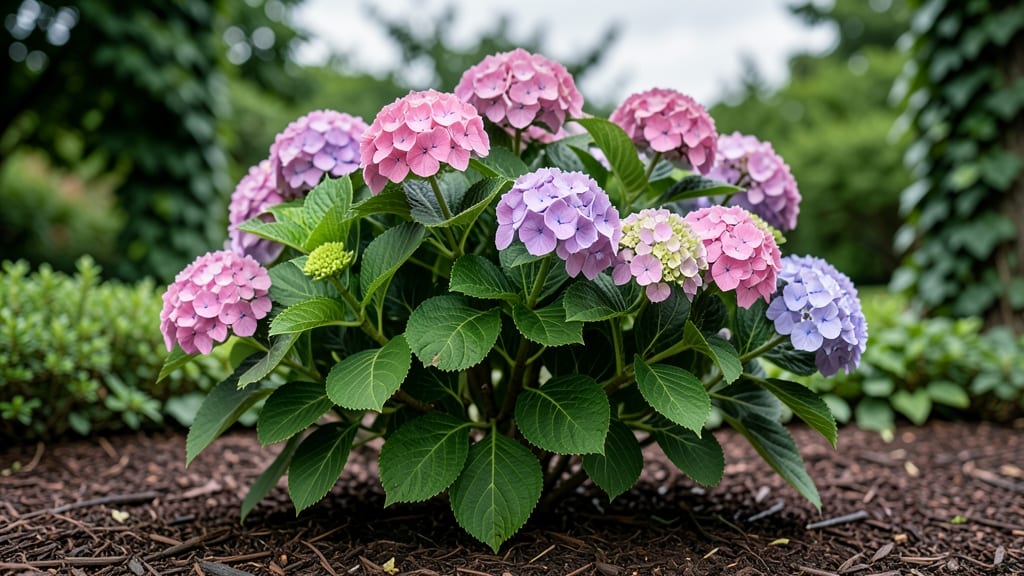
Hydrangeas bloom in Florida between late spring and early fall**, with peak flowering typically spanning from May through September. Varieties like mophead and lacecap shine brightest in summer, while oakleaf hydrangeas often produce two blooming cycles—once in late spring and again in fall. Florida’s heat and humidity usually speed up blooming, but extreme heat can cut flowering periods short.
Florida’s warm climate actually works to your advantage for hydrangeas, since they thrive in humidity and heat—but timing matters. 🌸 The state’s coastal areas often see blooms start earlier (as early as April) due to milder winters, while inland regions may delay until June.
For example, 'Endless Summer' hydrangeas are bred specifically to rebloom in Florida’s heat, producing flowers from spring through fall with minimal care. If you’re in South Florida, you might even spot late-season blooms into October, while North Florida gardens typically wind down by September.
💡 In This Article
- Florida Hydrangea Bloom Seasons by Variety
- How to Extend Hydrangea Blooms in Florida Heat
Florida hydrangea bloom seasons by variety
The bloom timing of hydrangeas in Florida varies dramatically by type, with each variety responding differently to the state's intense sunlight and humidity.
Mophead hydrangeas (like 'Nikko Blue' or 'Endless Summer') typically produce their showiest blooms from June through August, with some varieties reblooming in fall if given proper care. Their large, rounded flower heads thrive in Florida's heat but may wilt under prolonged temperatures above 95°F without afternoon shade.
Lacecap hydrangeas, such as 'Vanille Fraise' or 'Limelight', follow a similar summer schedule but often bloom slightly earlier, starting in late May and peaking in July. These varieties produce delicate, lacy flowers that contrast beautifully with their vibrant green foliage.
Oakleaf hydrangeas (like 'Snow Queen') stand out with their unique foliage and two bloom cycles—first in late spring (April-May) and again in fall (September-October), making them ideal for Florida's extended growing season.
Panicle hydrangeas, including 'Little Lime' and 'Limelight', offer a different experience with their cone-shaped blooms that appear later in the season, often from July through September. These varieties handle Florida's humidity exceptionally well and can continue blooming into early fall if kept well-watered.
The key difference between these types is their heat tolerance: mopheads and lacecaps may struggle in extreme heat, while oakleaf and panicle varieties often perform better in Florida's summer conditions.
Florida's microclimates create additional variations in bloom timing. Coastal areas like Miami or Tampa often see hydrangeas bloom 2-4 weeks earlier than inland regions due to milder winters and consistent humidity.
In contrast, North Florida cities like Gainesville may experience delayed blooming until June or July because of cooler spring temperatures. The Gulf Coast's warm, moist air can also trigger earlier blooming in varieties like 'Blushing Bride', which might start flowering as early as April in ideal conditions.
Here's how Florida's climate affects each variety:
- Mophead hydrangeas: Peak in June-August, sensitive to temps above 95°F
- Lacecap hydrangeas: Bloom May-July, prefer partial shade in summer
- Oakleaf hydrangeas: Two cycles (April-May and September-October), heat-tolerant
- Panicle hydrangeas: Bloom July-September, thrive in full sun
The secret to getting the most out of your Florida hydrangeas lies in understanding these regional differences and variety-specific needs. For instance, while 'Endless Summer' mopheads can rebloom in fall, they need consistent moisture to survive Florida's intense summer sun.
Planting them in areas with afternoon shade can extend their blooming period by 4-6 weeks compared to full-sun exposures.