
Blooming
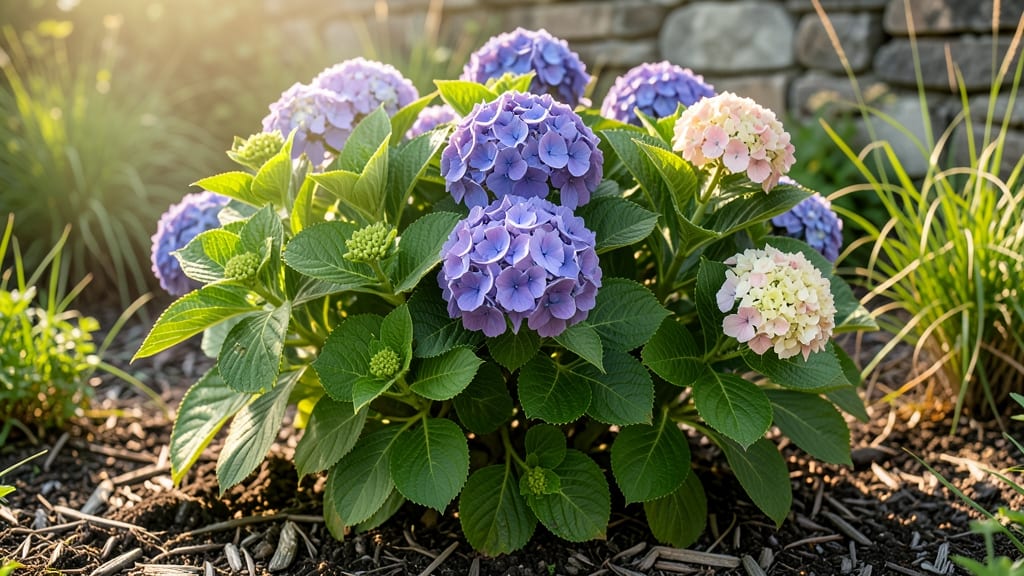
Hydrangeas bloom in Indiana between late May and August, but the exact timing depends on your variety, microclimate, and even last year’s frost date.
Indiana gardeners know timing is everything—and hydrangeas are no exception. These showstopping blooms thrive in the Hoosier State, but their exact bloom windows vary wildly by variety, sunlight, and even soil pH. Get the precise months for your favorite hydrangeas to plan your garden’s grandest moments.
Bigleaf hydrangeas, like the classic Endless Summer, often open their flowers in June or July, while panicle types such as Limelight may wait until July or August. Oakleaf varieties, with their peeling bark and late-season show, don’t peak until late summer, sometimes lingering into frost.
Below, I break down the month-by-month bloom schedule for Indiana’s top hydrangeas, plus the simple tricks to extend their season—so you’re not left staring at bare stems when your neighbors’ gardens are still in full bloom.
Hydrangea bloom times in Indiana by variety: month-by-month guide
Indiana’s Zone 5-6 climate creates a stunning backdrop for hydrangeas, but their bloom times shift dramatically based on variety and microclimates. Bigleaf hydrangeas (like 'Endless Summer') often burst into color earliest, while Oakleaf varieties (such as 'Pincushion') may linger into fall.
Understanding these patterns helps you time plantings, pruning, and even wedding bouquet harvests for peak beauty.
Late spring frosts (April 15 average) can delay blooms, while heat spikes in July-August may stress some varieties. Panicle hydrangeas (like 'Limelight') tend to bloom slightly later than Bigleaf types, making them ideal for fall interest.
Let’s break down the exact months for each variety so you can plan your garden’s seasonal highlights with confidence.
| Variety | Primary Bloom Months | Indiana-Specific Notes | Late Frost Risk |
|---|---|---|---|
| Bigleaf (e.g., 'Endless Summer', 'Nikko Blue') | June - August | Early bloomers; rebloom if pruned in late winter | Moderate (April 15) |
| Panicle (e.g., 'Limelight', 'Little Lime') | July - September | Late-season blooms; heat-tolerant for Indiana summers | Low (blooms after frost risk) |
| Oakleaf (e.g., 'Pincushion', 'Snow Queen') | July - October | Fall interest with colorful foliage; blooms late | None (blooms after frost danger) |
| Smooth (e.g., 'Annabelle', 'Grandiflora') | June - July | Single-season blooms; prune after flowering | High (April-May frosts may delay) |
For Bigleaf hydrangeas, the magic happens in June-August, with some reblooming varieties like 'Endless Summer' producing a second flush if you prune old wood in late winter (February-March).
These are the crowd-pleasers for wedding bouquets and cutting gardens, so plan your pruning 6-8 weeks before the first expected frost to avoid cutting into next year’s buds.
Panicle hydrangeas shine from July-September, making them perfect for extending your garden’s color palette into fall. Their cone-shaped blooms also hold up beautifully in dried arrangements. In Indiana’s Zone 6a, these varieties often bloom later because they need warmer soil temperatures to trigger flowering—so don’t prune them until late winter.
If you love fall foliage, Oakleaf hydrangeas are your best bet, blooming from July-October and turning stunning shades of red and orange. Their late-season blooms mean they’re less affected by early frosts, but their leaves may still suffer if a hard freeze hits in October.
Mulch heavily to protect roots during these transitions.
Smooth hydrangeas like 'Annabelle' deliver dramatic white blooms in June-July, but they’re one-and-done bloomers—no reblooming. This makes timing critical: prune them right after flowering to shape the plant for next year, but avoid cutting back old wood in winter, as it carries next year’s buds.
Indiana’s late frosts can delay blooms, especially for early varieties. To mitigate risks, plant Bigleaf hydrangeas in south-facing spots where they warm up faster. For Oakleaf types, choose sheltered locations to protect fall foliage from early cold snaps.
Always monitor your local frost dates—the Purdue Extension provides reliable forecasts.
Pro tip: Soil pH dramatically affects bloom color! Blue hydrangeas thrive in acidic soil (pH 5.0-5.5), while pink blooms prefer neutral to slightly alkaline (pH 6.0-7.0). Test your soil in early spring and amend with sulfur or lime as needed to hit your target color.
Want to extend your hydrangea season? Plant a mix of varieties—like a Bigleaf for early summer and a Panicle for fall—to create a continuous bloom display. Pair them with late-blooming perennials like black-eyed Susans or Russian sage for a nonstop garden show.
Zone 5-6 hydrangea care tips to extend bloom season in Indiana
Indiana’s unpredictable spring frosts and sweltering summers can cut hydrangea bloom seasons short—but with the right strategies, you can push blooms earlier by 2-3 weeks and keep them vibrant until first frost.
The key lies in soil prep, pruning timing, and creating microclimates that buffer temperature swings. Let’s unlock your hydrangeas’ full potential this season.
First, amend your soil in early spring with organic matter like composted leaves or aged manure. Indiana’s clay-heavy soils drain poorly, which stresses hydrangeas and delays blooming.
Aim for 6.0-6.5 pH for blue blooms or 5.5-5.8 pH for pink—test your soil in March and adjust with lime or sulfur as needed. Healthy roots = earlier blooms!
Don’t overlook watering consistency—hydrangeas wilt quickly in Indiana’s hot, dry summers. Water deeply once a week (or more in drought) and mulch heavily to lock in moisture. Morning watering is critical to prevent fungal diseases like powdery mildew, which thrives in Indiana’s humid summers.
For longer-lasting blooms, deadhead spent flowers after frost (late October-November) to redirect energy to next year’s buds. And if your hydrangeas struggle in full sun, consider lightweight shade cloth during peak afternoon heat—this prevents leaf scorch and keeps blooms vibrant.
With these Indiana-specific tweaks, your hydrangeas will reward you with earlier, bigger, and longer-lasting blooms—turning your garden into a season-long spectacle. Happy gardening! 🌸