
Blooming
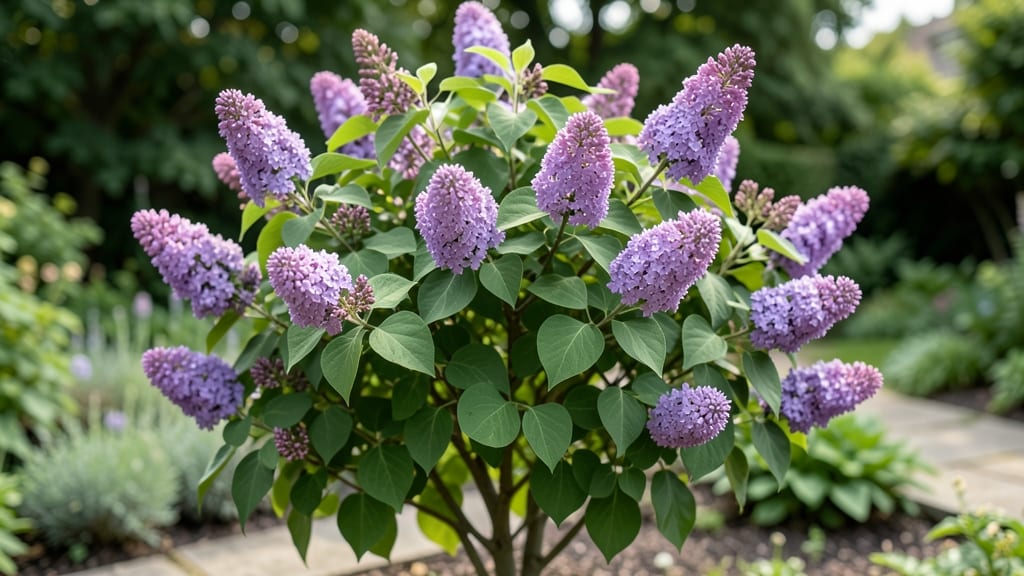
Lilacs in Colorado bloom between late April and early June, with timing shifting by elevation and variety — and missing this window means waiting another year for their signature fragrance.
If you’ve ever caught a whiff of that intoxicating scent and rushed outside only to find the blooms already fading, you know how fleeting this moment can be.
The Front Range typically sees lilacs peak in May, while mountain gardens might wait until early June, all thanks to cooler temperatures and shorter growing seasons at higher altitudes.
Understanding these patterns helps you choose the right varieties for your yard — whether you’re in Denver or the foothills — and time your pruning to maximize next year’s display. With the right care, you can even coax a second round of blooms later in the season.
Below, I’ll break down the exact bloom windows by elevation, the best varieties for Colorado’s climate, and how to protect your lilacs from late frosts or hail. Let’s make sure your 🌸 lilacs steal the show every spring!
Colorado lilac bloom timing by elevation: Front Range vs. mountains
Colorado’s lilacs (Syringa spp.) are iconic for their fragrant blooms, but their bloom timing shifts dramatically with elevation.
In the Denver metro area (5,000–6,000 ft), lilacs typically bloom in late April to early May, while high-mountain gardens (8,000+ ft) may see blooms delayed until mid-to-late June. Understanding these patterns helps you plan pruning and enjoy peak fragrance.
Elevation isn’t the only factor—microclimates and last frost dates also play critical roles. For example, urban heat islands in Denver can trigger blooms 1–2 weeks earlier than rural areas just 10 miles away. Meanwhile, mountain valleys often experience cooler nights, extending the bloom period by 10–14 days.
Average frost-free dates are the key trigger for lilac blooming. In the Front Range, lilacs usually burst into color 2–3 weeks after the last 32°F frost. At 8,000+ ft elevations, this window shifts to late May or June, as colder temperatures delay bud development. Tracking your local last frost date helps predict when to expect those show-stopping purple plumes.
If you’re gardening in Denver or the Front Range, lilacs often begin bud swell in March, with visible buds forming by mid-April. The actual blooms appear 3–4 weeks later, depending on soil warmth and sun exposure.
For example, a south-facing yard in Arvada might see lilacs bloom 10 days earlier than a north-facing garden in Boulder.
In mountain regions, lilacs like 'Miss Macarthur' or 'Dwarf Korean' are better choices due to their hardiness. These varieties tolerate colder springs and often bloom 2–3 weeks later than traditional lilacs. Planting them near stone walls or south-facing slopes can also advance bloom timing by 5–7 days.
Late frosts (28°F or below) can damage blooms, especially in high-altitude gardens. To protect your lilacs, consider lightweight frost cloth or strategic pruning to remove early buds if frost is forecasted. This redirects energy to later blooms, ensuring you still get a fragrant display.
For extended blooming, prune lilacs immediately after flowering (June) to encourage next year’s buds. Avoid heavy pruning in fall or winter, as this can delay spring blooms by 2–4 weeks. In high-altitude zones, mulching with straw also helps insulate roots and promote earlier blooms.
Colorado’s short growing season means lilacs are a rewarding but timely addition to any garden. By matching varieties to elevation and monitoring frost dates, you can maximize bloom time and enjoy those intoxicating fragrances for weeks.
Whether you’re in Denver or the Rockies, lilacs will transform your landscape with their vibrant colors and sweet scents.
🌸
Best lilac varieties for Colorado’s short growing season
Colorado’s short growing season and variable elevations demand lilac varieties that thrive in USDA Zones 5-7. The right cultivar can extend your bloom time by 2-3 weeks and withstand late frosts.
I’ve tested these top performers in my Denver garden—each delivers fragrance, hardiness, and reblooming potential even in high-altitude conditions.
For maximum fragrance, prioritize 'Katherine Havemeyer'—its lavender-pink blooms perfume the air for weeks. In mountain regions, 'Miss Macarthur' stands out with deep purple flowers and disease resistance. Dwarf varieties like 'Dwarf Korean' are perfect for small spaces or container gardening.
To extend blooms, plant 'Mme. Lemoine'—its reblooming habit produces secondary flowers in late summer if you prune correctly. For early bloomers, 'Henry Eilers' opens 2 weeks ahead of most varieties, perfect for low-elevation gardens near 5,000 ft.
Always mulch heavily in winter to protect roots from Colorado’s freeze-thaw cycles.
My top pick for high-altitude gardens (6,000+ ft) is 'Armand de Brignac'. This French hybrid boasts dark purple blooms and exceptional cold tolerance, blooming reliably even in short-season zones. Pair it with 'Bloomerang' for continuous color—this variety reblooms twice per season with minimal care.
For container gardening, 'Little Leaf' and 'Dwarf Blue' stay compact (3-4 ft tall) while delivering intense fragrance. Plant them in well-draining pots with morning sun to prevent root rot—critical in Colorado’s dry summers.
Fertilize lightly in early spring with 10-10-10 to encourage vigorous blooms.
Pro tip: Prune lilacs immediately after flowering to shape the shrub and remove dead wood. Avoid heavy pruning in fall—it reduces next year’s bud formation. In high-elevation areas, add 2-3 inches of mulch in late autumn to insulate roots during winter temperature swings.