
Blooming
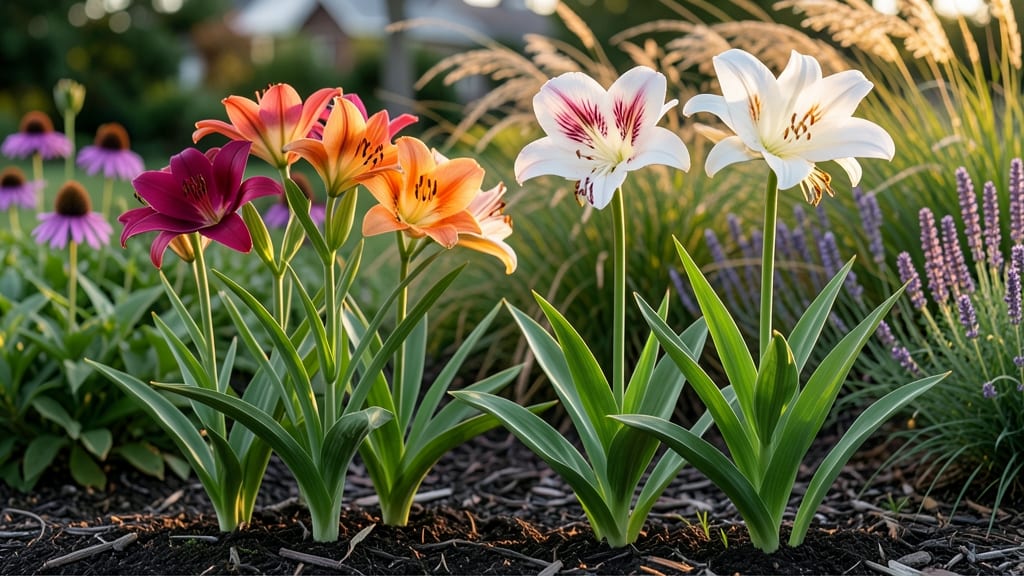
Lilies bloom in Michigan between mid-June and August, with timing that shifts by zone and variety—your 🌸 Asiatic lilies may pop in early July while Oriental types wait until late summer.
Michigan gardeners know the thrill of waiting for summer blooms—but lilies demand precise timing to thrive in the Great Lakes' unpredictable climate. Too early, and a late frost zaps your buds; too late, and heat stress dulls their vibrancy.
Here’s the game-changer: plant in spring (April-May) or fall (September-October) to sync blooms with your zone’s frost-free window. I’ll break down exactly when to expect color in zones 5b-6b, plus how sunlight and soil prep can push your lilies to bloom 2-3 weeks earlier.
From choosing the right variety for your yard to adjusting care for Michigan’s humidity swings, you’ll learn how to turn your garden into a showstopping summer display—without guessing when those petals will finally unfurl.
Michigan lily bloom timing by hardiness Zone (5-6): exact months & variety-specific schedules
Michigan's USDA zones 5 and 6 create a unique challenge for lily lovers—cool springs and variable summers can shift bloom times dramatically. In Zone 5 (Upper Peninsula), lilies typically bloom 2-3 weeks later than in Zone 6 (Lower Peninsula), with frost dates playing a critical role.
Understanding these differences helps you time plantings perfectly for maximum impact.
Your lily variety also dictates bloom timing. Asiatic lilies often bloom earliest (late June to early July), while Oriental and Trumpet lilies shine in late July through August. Temperature triggers between 55°F and 65°F kickstart growth, but Michigan's humidity and late frosts can delay or extend this window unpredictably.
Here's your zone-specific bloom schedule, including early, mid, and late-season varieties with frost risk factors:
| Variety | Zone 5 Bloom Window | Zone 6 Bloom Window | Frost Risk | Pro Tip |
|---|---|---|---|---|
| Asiatic Lilies | Late June to early July | Mid-June to late June | Low (blooms before last frost) | Plant bulbs in fall for earliest blooms |
| Oriental Lilies | Late July to early August | Mid-July to late July | Moderate (watch late June frosts) | Use mulch to protect roots |
| Trumpet Lilies | Early August to mid-August | Late July to early August | High (late season blooms) | Choose sheltered locations for protection |
| Martagon Lilies | Mid-July to early August | Late June to mid-July | Low (early bloomers) | Thrives in partial shade—ideal for UP gardens |
| LA Hybrid Lilies | Late July to mid-August | Mid-July to late July | Moderate (mid-season risk) | Stake tall stems for wind protection |
In Zone 5, where last frosts can linger until mid-May, early bloomers like Asiatic lilies often emerge first, followed by Martagon varieties that tolerate cooler soils. The Upper Peninsula's shorter growing season means you'll want to prioritize hardy varieties that bloom quickly and resist late-season frosts.
For Zone 6 gardeners, the longer frost-free period allows for more extended displays. Trumpet lilies often shine here, with their late July to August bloom aligning perfectly with Michigan's peak summer heat. However, humidity levels can stress plants—ensure proper air circulation around your lilies to prevent fungal issues.
Watch for temperature triggers like consistent 60°F+ soil temps, which signal bulbs to bloom. In Zone 5, this typically happens by late May, while Zone 6 sees these conditions 2-3 weeks earlier.
Use a soil thermometer to track progress—this helps you adjust planting times for optimal results.
Pro tip: Fall-planted bulbs in Zone 6 often bloom 2 weeks earlier than spring-planted ones. The cool winter chilling period Michigan provides naturally syncs with lilies' dormancy needs, giving you a head start on the season.
For Zone 5, consider early spring planting (as soon as soil is workable) to maximize bloom time.
Don't forget about late-season care. After blooms fade, allow foliage to yellow naturally—this stores energy for next year's flowers. In Zone 5, where first frosts arrive by mid-October, cut back dead stems only after hard frosts have blackened the leaves completely.
With these zone-specific schedules and variety insights, you'll transform your Michigan garden into a sequential lily parade, from early Asiatics to late Trumpets. The key? Plan ahead, choose the right varieties, and protect your blooms from Michigan's unpredictable weather.
How to adjust planting for earlier or later Michigan lily blooms: pro techniques
Michigan's climate can make lilies bloom earlier or later than expected, but with a few strategic adjustments, you can fine-tune their schedule. The key lies in understanding how temperature cues and planting depth influence bloom timing.
By manipulating these factors, you can shift blooms by 2-4 weeks—perfect for extending your garden's summer show.
Start with bulb chilling, a critical step for lilies. Most varieties need 8-12 weeks of temperatures between 35-45°F to trigger blooming. In Michigan's colder zones (5b), plant bulbs in fall (September-October) to let winter chill naturally.
For warmer areas (6a-6b), mimic chilling by storing bulbs in a refrigerator for 8-10 weeks before planting in late March.
🌱
- 1 Adjust planting depth for timing: Plant bulbs 4-6 inches deep for earlier blooms (shallower = faster growth). For later blooms, bury them 8-10 inches deep to delay emergence.
- 2 Use black plastic mulch in spring to raise soil temps by 5-10°F, accelerating growth. Remove it after blooming to avoid overheating bulbs in summer.
- 3 Choose early/late varieties: Asiatic lilies bloom 6-8 weeks earlier than Oriental lilies. Mix varieties to stagger blooms from June to August.
- 4 Warm soil triggers growth: In Zone 5b, wait until soil reaches 55°F (use a soil thermometer) before planting for spring blooms. In Zone 6a, plant 2 weeks earlier for faster emergence.
- 5 Fertilize strategically: Apply a low-nitrogen fertilizer (5-10-10) at planting for earlier blooms. Delay fertilizing until after shoots emerge for later blooms to slow initial growth.
For earlier blooms, pair shallow planting with black plastic mulch and a balanced fertilizer at planting. This combo can push blooms 2-3 weeks ahead in Michigan's cooler zones.
Conversely, for later blooms, deeper planting and delayed fertilizing (after shoots appear) will stretch your lily season into late August.
Michigan's variable weather means late springs or early frosts can disrupt bloom timing. To hedge your bets, plant 3 batches of bulbs in 2-week intervals—this ensures continuous blooms even if one batch is delayed.
For example, start with 20% of bulbs in late April, then add 40% in early May, and finish with 40% in mid-May.
Monitor your lilies' progress by tracking leaf emergence and bud formation. In Michigan, lilies typically take 60-70 days from shoot emergence to bloom. If your garden runs hotter than average (like in Zone 6b), expect blooms 1-2 weeks earlier than the norm.
Adjust future plantings accordingly to keep your timing perfect.
🌿