
Blooming
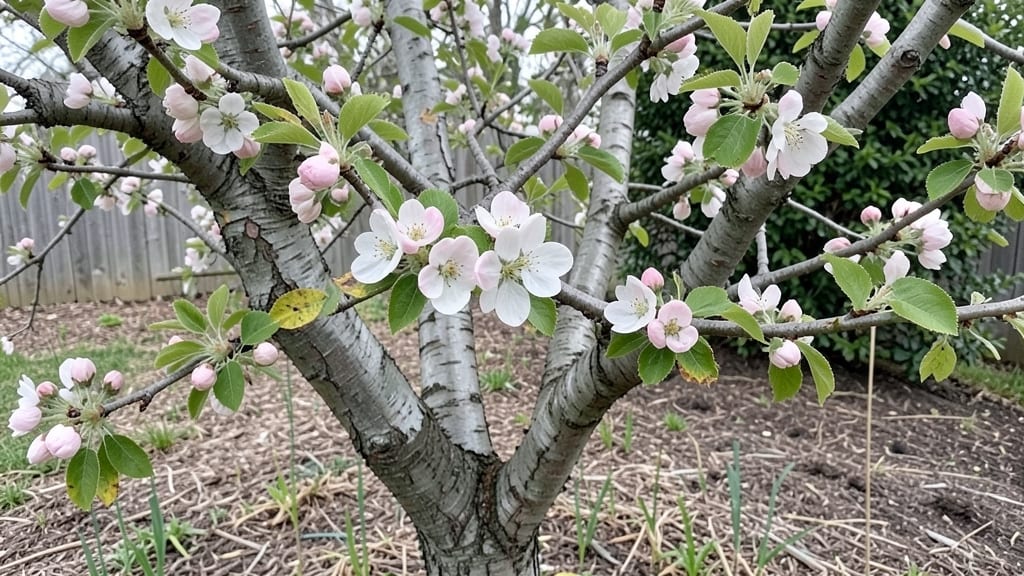
Pears bloom in late winter to early spring, typically between February and April, depending on the variety and climate zone, with blossoms lasting 7–14 days for optimal pollination.
Understanding pear bloom timing helps gardeners plan for successful fruit production. Many varieties rely on chilling hours—typically between 300 and 1,000 hours below 45°FBartlett pears often flower first, while Anjou varieties may bloom slightly later, sometimes requiring strategic placement in your garden to avoid early frost damage.
Cross-pollination is another key factor—most pear trees need a second compatible variety nearby to ensure fruit set. Without proper pollination, those beautiful blossoms won’t translate to harvestable fruit.
I’ve seen firsthand how even a few inches of snow during bloom can drastically reduce yields, making timing and location just as important as the variety you choose.
💡 In This Article
- Pear Tree Flowering Stages and Pollination Needs
- Climate Zones and Best Planting Times for Pears
Pear tree flowering stages and pollination needs
Here's what's actually happening in those late-winter branches: pear trees rely on a biological process called endodormancy to survive winter. During dormancy, the tree's growth hormones are suppressed, but cold temperatures—specifically 300–1,000 chilling hours below 45°F—trigger the release of these hormones, signaling the tree to bloom.
This chilling requirement varies by variety, with Bartlett pears typically needing around 500 hours while Asian pears may require 800+ hours for proper dormancy release. 🌱
The flowering process itself unfolds in distinct stages: first, the tree produces flower buds in late summer, which remain dormant until winter's chill wakes them up. When temperatures rise above 50°F in late winter, these buds swell and open into delicate white or pink blossoms.
Each cluster contains 5–10 flowers, and the entire bloom cycle lasts 7–14 days—a tight window for pollinators like bees to do their work.
What most people don't realize is that these blossoms are incredibly sensitive to frost; even a light freeze (28°F) can damage pollen or kill flowers entirely.
Cross-pollination is where things get interesting—and often frustrating for home growers. Most pear varieties are self-incompatible, meaning they need pollen from a different but compatible tree to set fruit.
For example, Anjou pears bloom slightly later than Bartletts, creating a natural overlap that works in orchards but may require strategic planting in home gardens. Without proper pollination, those blossoms will drop within 10–14 days, leaving you with no fruit.
I've seen gardens where growers planted two identical trees only to be disappointed when neither produced—until they added a third variety!
The timing of these stages is influenced by both genetics and environment. In warmer climates (like USDA Zone 8), pears may bloom as early as February, while in colder regions (like Zone 5), blossoms might not appear until late April.
This delay gives nature a fighting chance against late frosts. For instance, Bosc pears often bloom 7–10 days later than Bartletts, which is why some gardeners plant them together to extend the pollination window. The key is matching varieties with complementary bloom times.
What happens next is equally fascinating: once pollinated, the fertilized flowers develop into tiny fruitlets that grow rapidly over 6–8 weeks. During this time, the tree's energy shifts from reproduction to fruit development, which is why proper bloom conditions directly impact harvest size and quality.
For example, a 10% reduction in pollination can lead to 30% fewer fruits—a dramatic impact from something as simple as timing. 🌿
For gardeners, understanding these stages means planning ahead. If you're in a frost-prone area, choose varieties with staggered bloom times (like Seckel pears, which bloom later than Bartletts) or use frost cloths to protect early blooms.
And remember: even the most beautiful blossoms won't guarantee fruit without the right pollination partners nearby!