
Blooming
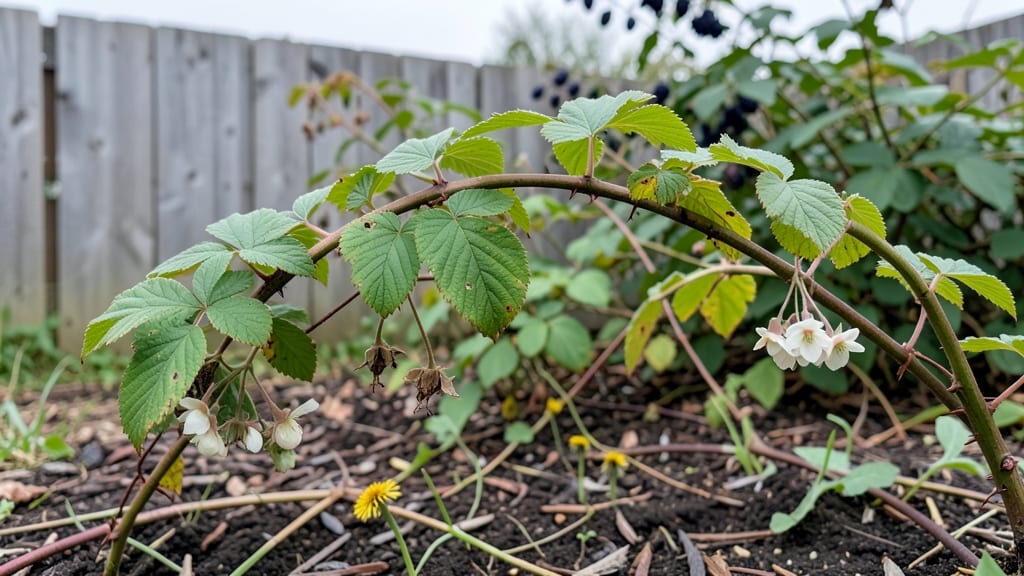
Raspberry bushes bloom in late spring to early summer, typically between April and June, depending on the variety and climate zone. Summer-bearing types flower after winter dormancy, while everbearing varieties produce two harvests yearly—primocanes bloom in summer, floricanes in spring.
Timing isn’t just about the calendar—it’s about your local climate and the specific raspberry type you’re growing. In cooler regions, Zone 5 or higher, blooms often push into June, while warmer areas like Zone 8 might see flowers as early as March.
Everbearing varieties add complexity: their primocanes (new growth) bloom in summer, while floricanes (older canes) flower the following spring, creating a staggered harvest window. 🌸
Daylight hours also play a role—longer spring days signal raspberry bushes to shift from dormancy to flowering, but extreme heat or frost can disrupt this process. For example, a late frost in April might delay blooms, while consistent moisture and well-drained soil keep the bushes healthy and ready to produce.
If you’re in a transitional climate, choosing hardy varieties like 'Boyne' (summer-bearing) or 'Heritage' (everbearing) can help align blooms with your growing season.
💡 In This Article
- Climate and Variety Factors Affecting Raspberry Bloom Timing
- How to Extend Raspberry Bloom Season with Pruning and Care
Climate and variety factors affecting raspberry bloom timing
Here's what's actually happening beneath the surface: raspberry bushes rely on a precise interplay of chilling hours and daylight exposure to trigger blooming. Most varieties need between 500-1,000 hours below 45°F during winter dormancy to break dormancy and initiate flower buds.
This chilling requirement explains why raspberries in Zone 6-7 often bloom later than those in Zone 8-9, where winter temperatures rarely drop low enough. The science involves hormonal shifts—cold temperatures convert stored starches into sugars that fuel flower development, while warm days accelerate the process.
Daylight hours act as the second critical trigger. Raspberries are short-day plants, meaning they respond to decreasing daylight after summer solstice. In the Northern Hemisphere, this typically happens in late May to June, aligning with peak bloom times.
However, in the Southern Hemisphere, the cycle reverses—blooms occur in late November to December when days shorten after their summer. Everbearing varieties complicate this further: their primocanes (new canes) bloom in summer when days are still long, while floricanes (older canes) follow the traditional short-day pattern in spring.
Temperature swings create another layer of complexity. A sudden 30°F drop during bloom can damage flowers, while consistent 60-75°F days promote steady development.
For example, in Pacific Northwest climates, raspberries often bloom in May when marine air keeps temperatures moderate, whereas in Midwest regions, blooms may wait until June to avoid late spring frost risks. The key factor is avoiding extremes—both heat stress above 85°F and cold below 50°F can stunt flower formation.
Variety genetics play a starring role too. Summer-bearing types like 'Dorman Red' prioritize a single massive bloom after winter, while everbearing 'Caroline' spreads its energy across two seasons.
What most people don't realize is that everbearing varieties actually produce more flowers on primocanes (new growth) than floricanes (old growth), but these summer blooms are more sensitive to heat stress.
This is why 'Heritage' thrives in cooler climates but may struggle in hot summers where primocanes fail to set fruit.
Soil conditions add the final piece: well-drained, slightly acidic soil (pH 5.5-6.5) ensures nutrients like phosphorus (critical for flowering) are available. In heavy clay soils, waterlogging can delay blooms by 2-3 weeks, while sandy soils may require more frequent watering to maintain moisture during bud formation.
The interplay of these factors explains why your neighbor's raspberries might bloom a month earlier than yours—it's not just luck, but a perfect storm of climate, variety, and care. ✨
Here's a quick comparison to visualize the differences:
- Summer-Bearing: Single bloom cycle (spring), flowers on 2-year-old canes (floricanes)
- Everbearing: Two bloom cycles (spring + summer), flowers on both new (primocanes) and old canes
- Chilling Hours: 500-1,000 hrs below 45°F needed for dormancy break
- Daylight Trigger: Responds to decreasing daylight after summer solstice
For gardeners in transitional climates (like Zone 7), choosing varieties with moderate chilling requirements (around 600 hours) can help align blooms with your local window. The right selection makes all the difference between a bumper crop and a disappointing harvest. 🌿