
Blooming
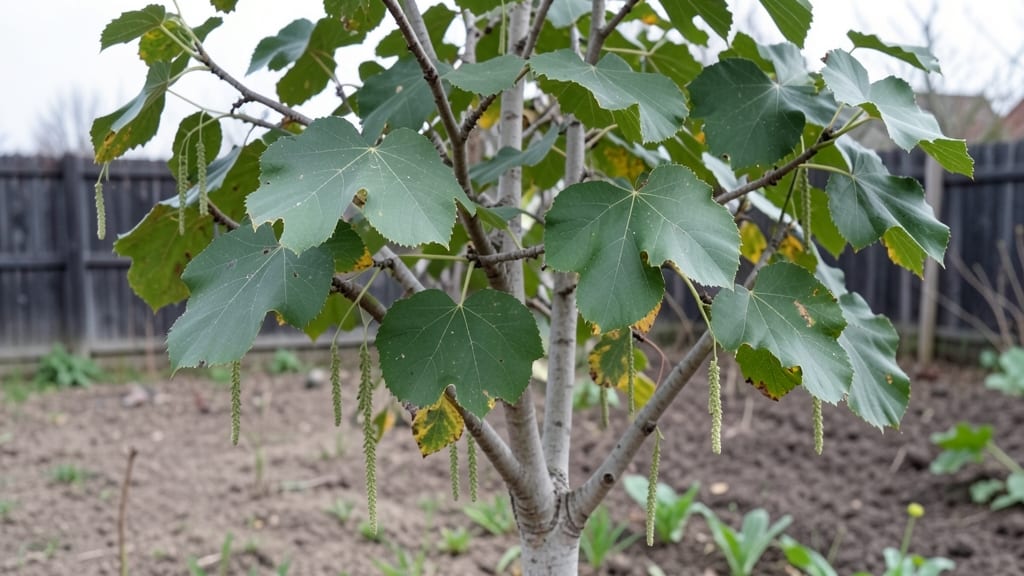
Mulberry trees bloom in late spring, typically between April and May, though exact timing depends on climate and tree maturity—young saplings may delay flowering until age 3-5, while mature trees produce flowers earlier and more abundantly.
Understanding when mulberry trees bloom helps you plan for fruit harvests or simply enjoy their stunning flowers.
In warmer climates like the Southern U.S., blooms often appear as early as March, while Northern regions may see them push into late May or June. Tree age plays a huge role too—young trees might take years to flower, but once mature, they can produce vibrant blossoms over weeks, attracting pollinators like bees and butterflies. 🌸
If you're in a cooler zone, you can nudge blooming along by pruning in late winter to open the canopy to sunlight or choosing early-blooming varieties like the Illinois Everbearing.
Just remember: patience is key—some trees need 3-5 years before they even think about flowering! The reward? A canopy of pinkish-white blossoms that turn into sweet berries by summer.
💡 In This Article
- Climate and Mulberry Tree Age Factors in Blooming
- Signs of Mulberry Tree Flowering and Pollination Tips
Climate and mulberry tree age factors in blooming
Mulberry trees rely on a combination of temperature cues and physiological maturity to trigger their bloom cycle. The key factor is chilling hours—most varieties need 300-600 hours below 45°F during winter dormancy to break dormancy and initiate flowering.
This chilling requirement explains why Northern U.S. trees (USDA zones 4-6) often bloom later than Southern counterparts (zones 7-9), which may experience fewer frost events and warmer winters. 🌡️
In the South, where winters are mild, mulberries can begin flowering as early as February or March, while Northern trees typically wait until late April to May after accumulating sufficient chilling hours.
The first frost date in spring also plays a critical role—trees in colder regions may delay blooming until after the last frost to protect delicate flowers from damage.
For example, a tree in zone 5 (like Minnesota) might not flower until mid-May, whereas one in zone 8 (like Georgia) could bloom by early April.
Tree age dramatically alters bloom timing and abundance. Young saplings (under 3 years old) often prioritize root and leaf growth over reproduction, delaying flowering until they reach age 3-5.
Once mature, trees produce thousands of tiny flowers in dense clusters, but the process starts with hormonal shifts triggered by stored energy from the previous growing season.
A 10-year-old tree might bloom 2-3 weeks earlier than a 5-year-old because it has built stronger energy reserves and a more developed vascular system to support flowering. 🌱
Regional variations extend beyond temperature—humidity and daylight hours also influence blooming. Mulberries are short-day plants, meaning they respond to increasing daylight in spring.
In the Pacific Northwest, where days lengthen gradually, blooming may stretch over 4-6 weeks, while in the Southeast, rapid daylight changes can trigger a more concentrated 2-3 week bloom period.
This explains why some growers in Florida report year-round flowering in mild microclimates, though fruit production peaks in spring.
Here’s how tree age and climate interact in practice:
- Southern U.S. (zones 7-9): Mature trees bloom March-April; saplings may wait until May if winters are too warm to meet chilling requirements.
- Northern U.S. (zones 4-6): All trees delay until late April-June due to frost risk, but mature trees still outperform young ones by 3-4 weeks in bloom onset.
- Arid climates (e.g., Arizona): Trees may bloom earlier (February) but produce fewer flowers due to water stress, highlighting how multiple factors combine.
What most people don’t realize is that pruning in late winter can artificially adjust bloom timing by 1-2 weeks by exposing dormant buds to sunlight earlier. However, aggressive pruning on young trees can delay flowering further by redirecting energy to regrowth. The science here involves auxin hormones, which regulate growth and flowering—too much pruning disrupts their balance. 🌿
For gardeners in marginal climates (like zone 6), choosing early-blooming cultivars (e.g., Illinois Everbearing) can shave off 7-10 days from the bloom schedule. These varieties have been bred to tolerate shorter chilling periods, making them ideal for areas where winters are inconsistent.
The takeaway? Climate and age aren’t fixed barriers—they’re variables you can work with through careful selection and management.