
Blooming
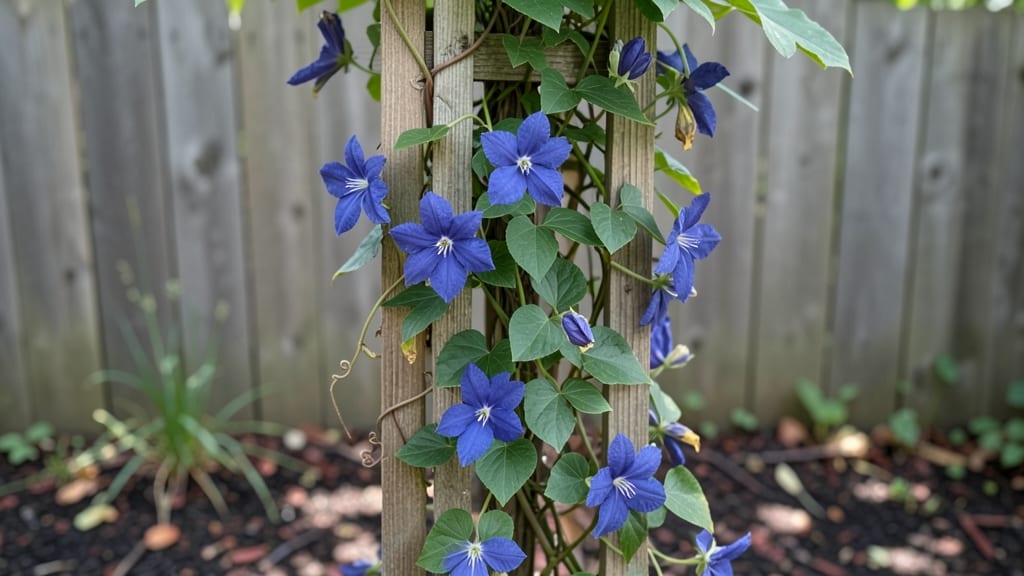
Clematis blooms typically last 7 to 14 days per flower cluster, with peak seasons varying by variety—early bloomers flower in spring, late types in summer, and some reblooming varieties produce multiple flushes. Proper pruning and care can extend their flowering period significantly.
Clematis thrive on seasonal cues—spring varieties like 'Jackmanii' burst into bloom when daytime temperatures hit 50-60°F, while late summer bloomers such as 'Niobe' wait for longer daylight hours. 🌸 The key to their longevity lies in their genetic programming: some types, like the Group 3 rebloomers, have evolved to produce secondary flushes after their initial display, creating a staggered show that can last months if conditions are right.
What many gardeners overlook is how pruning timing directly impacts bloom duration. For instance, Group 1 clematis (early spring bloomers) should never be pruned after June 1st, as this cuts off their one annual flowering cycle.
Meanwhile, Group 3 varieties benefit from aggressive summer pruning to encourage those second blooms—think of it as giving them a fresh start for their encore performance.
💡 In This Article
- Clematis Flowering Cycles by Variety Type
- Pro Tips to Prolong Clematis Blooms
Clematis flowering cycles by variety type
Here's what actually happens beneath the surface: clematis flowering cycles are governed by a complex interplay of genetics, temperature thresholds, and daylight exposure.
Early bloomers like 'Nelly Moser' (Group 1) trigger their floral buds in late winter when soil temperatures reach 45°F—this is their biological cue to begin the blooming process.
These varieties rely on 12-14 hours of daylight to complete their single annual flowering cycle, typically between April and June, with each flower cluster lasting 7-10 days before fading.
The late-season varieties (Group 2) like 'Perle d'Azur' operate on a different schedule, waiting for consistent daytime temperatures above 70°F and longer daylight hours (14+ hours) to initiate blooming.
Their genetic programming delays bud formation until mid-to-late summer, when they produce their single flush of flowers that can last 10-14 days per cluster. What's fascinating is how these varieties often bloom in sync with local pollinators' peak activity periods, creating a mutually beneficial relationship.
The real magic happens with Group 3 rebloomers like 'Jackmanii'—their genetic code contains a secondary flowering trigger that activates after their initial spring display. These varieties can produce two to three separate bloom cycles per year when given proper care.
The first flush appears in early spring (similar to Group 1), but their secret weapon is the ability to reinitiate flowering in late summer when they detect declining daylight hours combined with consistent moisture. This dual-flowering capability is what makes them the garden superstars.
What most people don't realize is how pruning groups directly influence these cycles. Group 1 varieties should never be pruned after June 1st—their buds for next year's flowers form immediately after their single bloom cycle.
Group 2 varieties need minimal pruning just to remove dead wood, while Group 3 varieties actually require aggressive summer pruning (after their first bloom) to encourage the second flush. This is why proper pruning timing can extend bloom duration by 30-50% in reblooming varieties.
Consider these key biological factors when planning your clematis garden:
- Temperature thresholds: Early bloomers need 45-60°F soil temps, while late varieties prefer 70°F+
- Daylight requirements: Early types thrive on 12-14 hours of light; late types need 14+ hours
- Genetic triggers: Rebloomers have dual flowering genes activated by seasonal changes
- Pruning impact: Wrong timing can eliminate entire bloom cycles in sensitive varieties
The science behind these differences lies in clematis' photoperiodism—their ability to measure daylight length. Early bloomers respond to increasing daylight in spring, while late varieties react to consistent long days of summer.
Rebloomers have evolved a second photoperiodic response that triggers when daylight begins decreasing in late summer, creating their second bloom flush. Understanding these mechanisms lets you time your care perfectly to maximize bloom duration.
Here's a pro tip: Plant early and late varieties together to create a continuous bloom display from April through September. The visual impact is stunning when you have 'Nelly Moser' (early) transitioning into 'Jackmanii' (reblooming) and finally 'Perle d'Azur' (late) in your garden succession. 🌿