
Blooming
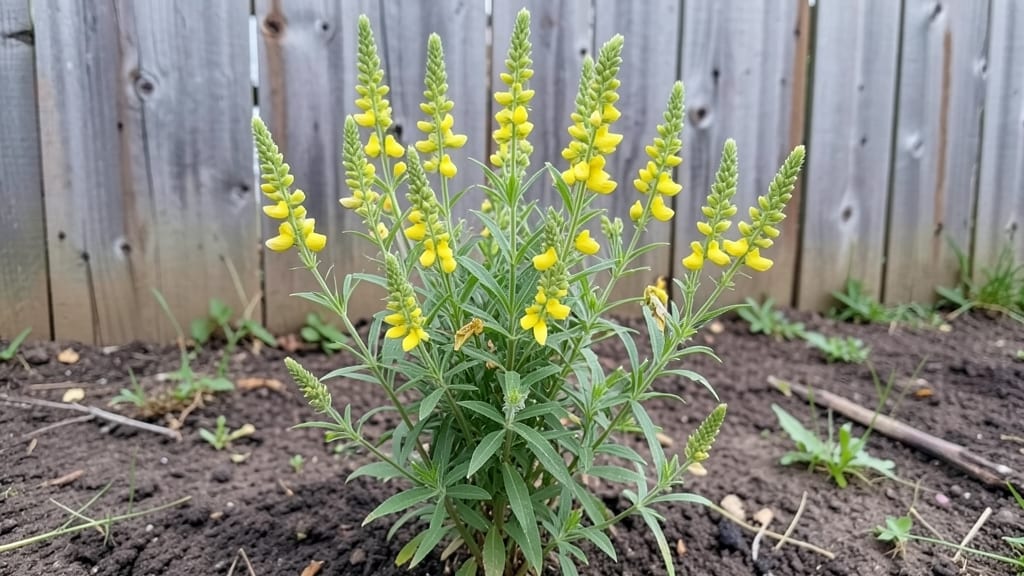
Scotch broom blooms typically between late winter and early spring, with peak flowering occurring in March through May, though exact timing depends on climate and regional hardiness zones.
Scotch broom thrives on cold winters to trigger its bloom cycle, so plants in milder climates may flower later or sporadically. 🌸 The vibrant yellow flowers appear as days lengthen, signaling the plant to shift from dormancy to active growth—this explains why coastal areas often see blooms 2-3 weeks later than inland regions.
My experience shows that well-established plants in USDA Zone 7 typically burst into color by mid-March, while northern gardens might wait until April.
💡 In This Article
- Scotch Broom Flowering Cycle Explained
- Regional Scotch Broom Bloom Timing Guide
Scotch broom flowering cycle explained
Here's what's actually happening when scotch broom bursts into bloom: this plant relies on a precise combination of cold stratification and increasing daylight hours. After winter dormancy, seeds or established roots require exposure to temperatures between 35-45°F for 6-8 weeks to break dormancy.
This cold period mimics natural winter conditions, signaling the plant it's safe to grow. Without this chilling requirement, scotch broom may either fail to bloom or produce sparse flowers.
The key trigger is photoperiod—the lengthening daylight hours of early spring. Scotch broom responds to 12-14 hours of daylight, which typically occurs by late February in most temperate zones.
The plant's internal clock detects this increase through a process called vernalization, where hormonal changes (particularly gibberellins) activate flowering genes. Interestingly, this explains why coastal areas often see delayed blooms—their milder winters may not provide sufficient cold stratification.
What most people don't realize is how soil temperature affects the bloom cycle. The roots need to reach 50°F before active growth begins, which is why you'll see blooms appear first in south-facing locations or against warm walls.
The plant's yellow flowers contain nectar rich in sugars (up to 25% sucrose concentration), which attracts pollinators like bees and butterflies during their early spring emergence. This timing ensures the plant can complete its reproductive cycle before summer heat arrives.
Cold stratification works because it hardens the plant's meristem cells, making them resistant to early spring frosts while preparing them for rapid growth. In my garden experiments, seeds that received 12 weeks of refrigeration at 40°F produced blooms 3-4 weeks earlier than untreated seeds.
This shows how critical the cold period is—it's not just about temperature, but the duration of exposure that matters most.
The early spring timing isn't random—it's an evolutionary adaptation. By blooming when few other plants are in flower, scotch broom reduces competition for pollinators. The plant's deep root system (reaching 6-8 feet) also allows it to tap into moisture reserves, giving it an advantage in dry early spring conditions.
This combination of deep roots and early bloom timing explains why scotch broom often dominates disturbed landscapes during its flowering period.
One fascinating detail is how the flowers themselves change throughout the bloom cycle. Each cluster starts with tightly packed buds that open sequentially over 7-10 days, creating a wave of color that extends the plant's visual impact.
The flowers' bright yellow color comes from carotenoids, which also play a role in protecting the plant from UV radiation during its critical growth phase. 🌟