
Blooming
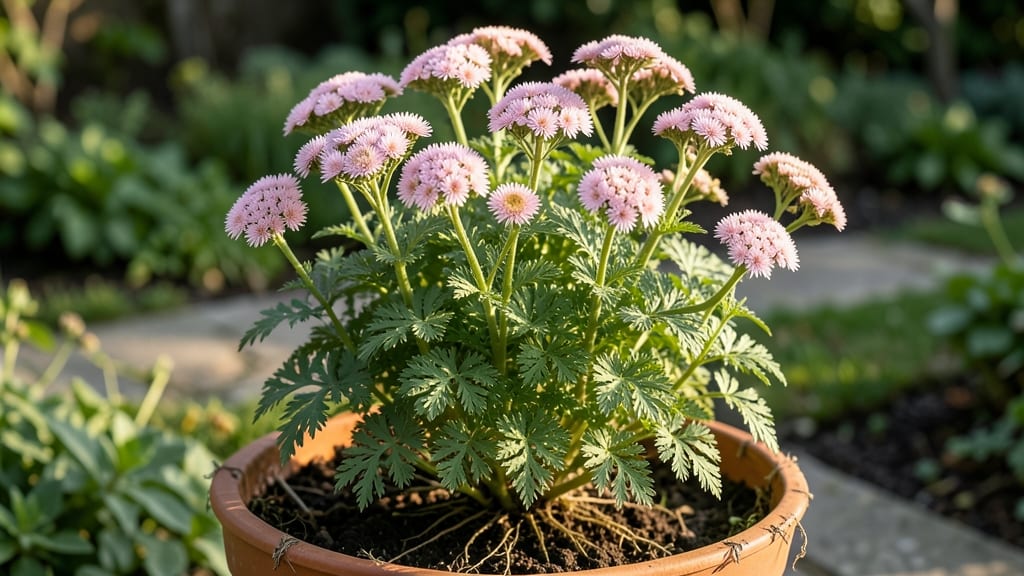
The yarrow bloom time spans from early summer through fall 🌸, turning your garden into a vibrant, long-lasting display of color.
If you’ve ever wondered why some varieties stay in flower for months while others fade quickly, timing is everything. The right conditions—like full sun and well-drained soil—can shift bloom cycles by weeks, even in the same zone.
From the first flush of 'Moonshine' in June to the late-season show of 'Autumn Gold,' each variety has its own rhythm. Learn how to coax extra weeks of blooms with simple pruning tricks and companion plants.
Here’s what you need to know about bloom time by variety, zone, and how to keep those flowers coming all season long.
Yarrow bloom time by popular variety: when to expect flowers
Yarrow (Achillea millefolium) is a garden superstar known for its long-lasting blooms and adaptability, but not all varieties follow the same schedule. Some burst into color in early summer, while others linger into fall, creating a cascading display that keeps your garden vibrant.
The key to planning your yarrow garden lies in understanding each variety's bloom time, reblooming tendencies, and how they respond to your local climate.
Whether you're aiming for a season-long show or strategic color bursts, choosing the right mix of early, mid-, and late-season yarrow can extend your floral interest from June through October.
In my experience, the hardiness zone where you garden plays a huge role in bloom timing. For example, 'Moonshine' yarrow often starts flowering in late May in Zone 5 but can bloom as early as April in Zone 8 or 9.
Meanwhile, 'Autumn Gold' might not peak until mid-to-late summer in cooler climates but can stretch its display into November in warmer regions. Let's break down the bloom periods for some of the most popular yarrow varieties to help you plan your garden's floral timeline perfectly.
If you're planning a continuous color display, I recommend mixing early bloomers like 'Moonshine' with mid-season performers like 'Cerise Queen' and late-season stars like 'Autumn Gold'. This creates a staggered bloom effect that keeps your garden looking fresh from late spring through fall.
For example, planting 'White Feather' alongside 'Red Beauty' ensures you'll have white and red blooms from June through September, while 'Autumn Gold' will take over in late summer and carry the show into October.
The reblooming tendencies of yarrow are another critical factor. Varieties like 'Cerise Queen' and 'White Feather' will often produce a second flush of flowers if you deadhead spent blooms regularly.
In my Zone 6 garden, I've seen 'Cerise Queen' rebloom in late summer after a mid-summer deadheading session, adding weeks to its display.
For the best results, I always remove faded flower heads just as they begin to brown, which encourages the plant to redirect its energy into new blooms rather than seed production.
Regional variations can shift bloom times by several weeks. In warmer climates (Zones 8-10), yarrow often
How climate zones affect yarrow bloom time and longevity
Yarrow thrives across USDA hardiness zones 3 through 10, but its bloom time and longevity vary dramatically depending on where you live. In cooler zones like Zone 5, expect early summer blooms, while warmer climates in Zone 9 often enjoy extended flowering well into fall.
These differences aren't random—they're shaped by temperature, daylight hours, and moisture patterns unique to each zone.
For gardeners in Zones 3-5, yarrow typically blooms from late June to August, often pausing briefly during heatwaves. In contrast, Zones 6-8 see longer bloom seasons from June through September, with some varieties reblooming after light pruning.
Southern gardeners in Zone 9-10 might even enjoy sporadic blooms year-round in mild winters.
In Zones 3-5, cold-hardy varieties like 'Moonshine' often bloom earliest, taking advantage of cooler spring temperatures. These northern climates experience shorter daylight hours during winter, which triggers yarrow's natural dormancy cycle.
The key to extending blooms here is deadheading spent flowers and providing well-draining soil to prevent rot from spring thaws.
Warmer zones like 6-8 benefit from yarrow's heat tolerance, with varieties like 'Autumn Gold' often flowering until first frost. However, prolonged heatwaves can stress plants, causing blooms to fade prematurely.
I've found that mulching with straw or pine needles helps maintain soil moisture during summer droughts, which keeps yarrow flowering longer.
For Zone 9-10 gardeners, yarrow's biggest challenge is avoiding overwatering during mild winters. In these zones, blooms can appear sporadically year-round, but heavy rains or poor drainage can lead to root rot. I recommend planting yarrow on sloped beds or in containers with drainage holes to prevent waterlogging.
Remember that daylight hours play a crucial role—yarrow typically blooms when days are 14+ hours long. In northern zones, this means summer blooms, while southern zones may see extended flowering through fall and even winter in mild microclimates.
Understanding your specific zone's patterns helps you choose varieties and care strategies that maximize bloom time.