
Blooming
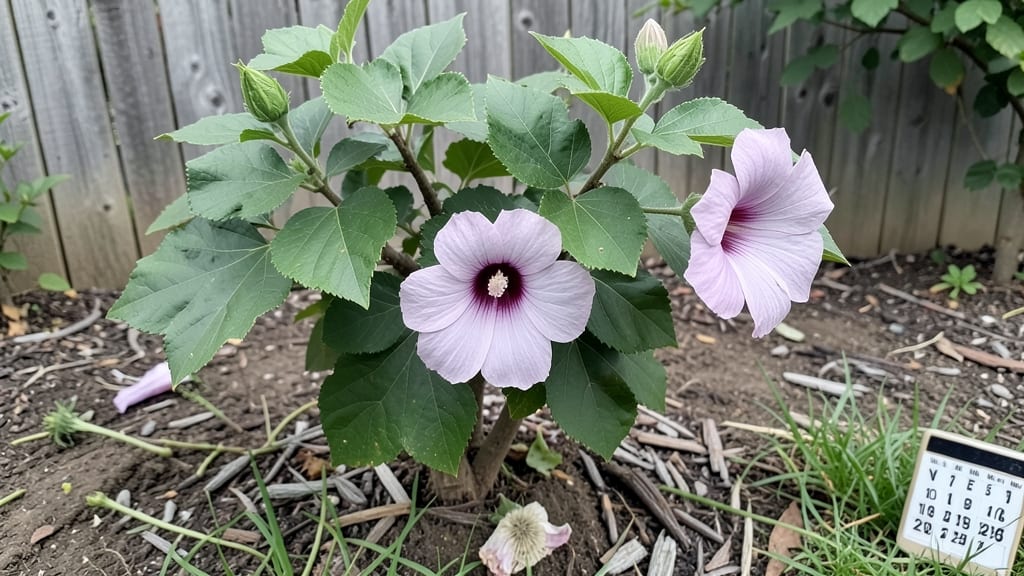
Hibiscus blooms typically last 3–5 days per flower, with new buds opening daily during peak seasons. Tropical varieties bloom continuously, while hardy types may have shorter, seasonal cycles influenced by climate and care.
Hibiscus flowers follow a natural lifecycle where each bloom unfurls in the morning and wilts by evening, but the real magic happens in how they regenerate. 🌸 In my garden, I’ve noticed that tropical hibiscus varieties—like the vibrant Hibiscus rosa-sinensis—can produce new buds almost daily during warm months, creating a near-continuous display.
Meanwhile, hardy types, such as Hibiscus moscheutos, tend to bloom in bursts tied to seasonal warmth, often lasting just a few weeks unless given ideal conditions.
What’s fascinating is how environmental factors play a role: too much shade or inconsistent watering can shorten bloom time, while proper care—like pruning spent flowers and using balanced fertilizers—extends their lifespan.
I’ve found that a little extra attention in late spring or early summer can turn a single bloom into a week-long spectacle. 🌿
💡 In This Article
- Factors Affecting Hibiscus Bloom Duration
- Maximizing Hibiscus Flower Longevity in Gardens
Factors affecting hibiscus bloom duration
Sunlight acts as the primary energy source for hibiscus blooms, with 6-8 hours of direct sunlight daily being ideal for optimal flower production. The plant converts sunlight into energy through photosynthesis, which fuels the growth and opening of buds.
When hibiscus receive insufficient light, they'll produce fewer blooms that last only 2-3 days instead of the typical 3-5 days. This is because lower light levels reduce the plant's ability to produce the necessary sugars and hormones for flower development. 🔥
The temperature range of 70-85°F creates the perfect environment for hibiscus to thrive and maintain extended bloom cycles. When temperatures drop below 50°F, most hibiscus varieties go dormant, halting new bud formation entirely.
Even tropical hibiscus, which are more heat-tolerant, may see blooms lasting only 24-48 hours during sudden cold snaps. Conversely, consistent warmth above 90°F can cause flowers to open too quickly and wilt prematurely, often within 1-2 days.
Watering plays a crucial role in bloom longevity through its impact on moisture balance. Hibiscus plants require 1-1.5 inches of water weekly, but inconsistent watering—either too much or too little—can drastically shorten bloom time.
Overwatering leads to root rot, which starves the plant of nutrients needed for flower production, while underwatering causes buds to drop before opening. The key is maintaining even soil moisture, especially during the morning hours when buds are opening. 💫
Pruning techniques significantly influence how long individual blooms last and how frequently new ones appear. Regular removal of spent flowers (deadheading) redirects the plant's energy toward producing new buds rather than seed development.
For tropical hibiscus, I've found that pruning back 1/3 of the plant's height in early spring stimulates 4-6 weeks of continuous blooming. Hardy varieties benefit from a similar approach but should be pruned after their first frost to encourage stronger growth the following season.
Seasonal variations create dramatic differences in bloom duration between tropical and hardy hibiscus varieties. Tropical hibiscus, like the Hibiscus rosa-sinensis, can produce blooms year-round in warm climates, with each flower lasting 3-5 days and new buds opening daily.
In contrast, hardy hibiscus varieties, such as Hibiscus syriacus, typically bloom for only 2-3 weeks during late summer, with each bloom lasting 2-3 days.
The key difference lies in their natural growing cycles—tropical varieties are adapted to consistent warmth, while hardy types have evolved to bloom in response to seasonal temperature shifts. ✨
Soil quality and fertility also play subtle but important roles in bloom longevity. Hibiscus thrive in well-draining soil with a slightly acidic pH (6.1-6.5), which helps prevent nutrient deficiencies that can weaken flower structure.
Adding compost or organic matter to the soil improves its ability to retain moisture and nutrients, directly supporting longer-lasting blooms. I've noticed that plants grown in nutrient-rich soil often produce blooms that last up to 7 days in ideal conditions, compared to 3-4 days in poorer soil. 🌿
What most gardeners don't realize is that hibiscus respond to environmental cues beyond just sunlight and water. For example, the plant's internal clock—called photoperiodism—regulates when buds open and close.
In tropical regions, hibiscus often bloom in the morning and close by afternoon to conserve moisture, while in temperate climates, they may stay open longer during cooler weather. Understanding these natural rhythms helps explain why blooms sometimes last longer in certain climates or seasons. 💛