
Blooming
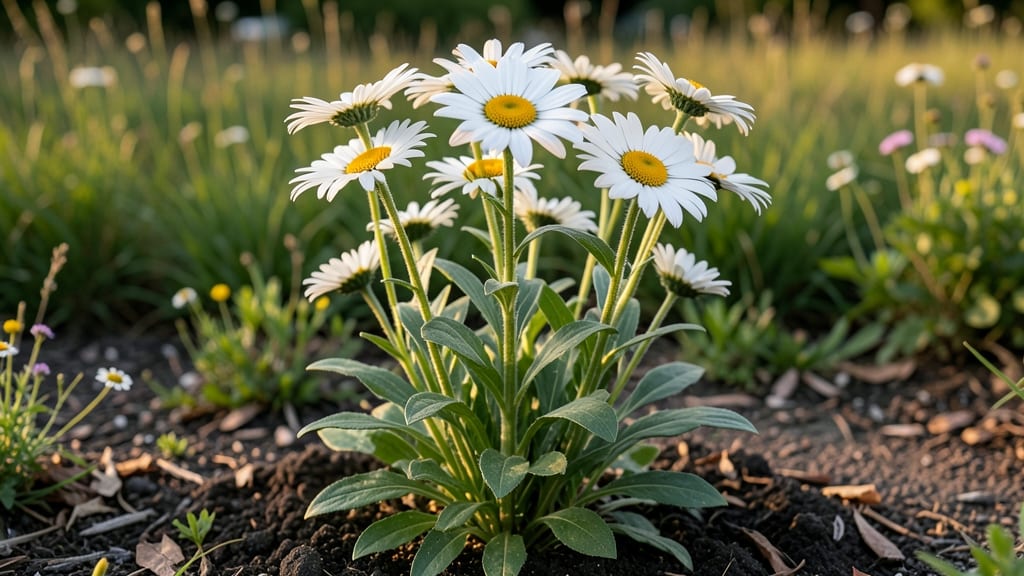
Shasta daisies bloom in late spring through summer 🌼, but their exact timing depends on your zone, soil, and care—getting it right means months of cheerful color instead of a few fleeting flowers.
If you’ve ever planted Shasta daisies hoping for a stunning summer display, only to be disappointed by sparse blooms, you’re not alone—timing is everything.
These classic garden favorites thrive when planted in the right zone and given the proper care, but their bloom windows vary dramatically depending on where you live.
In Zone 6a, where many gardeners grow them, blooms typically kick off in June and last through July or August, but cooler climates push them later, while warmer regions may see early flowers as soon as May.
The key to extending that show? Deadheading, smart fertilizing, and a few other tricks most gardeners miss.
Below, I’ll break down the zone-by-zone bloom schedule, how to coax second (or even third!) blooms, and the common mistakes that rob your daisies of their full potential—so you can enjoy those 3- to 4-foot stalks of cheerful white, pink, or red all season long.
Shasta daisy bloom time by USDA plant hardiness Zones (with exact months)
Shasta daisies (Leucanthemum × superbum) are one of the most beloved perennial flowers, but their bloom time varies wildly depending on your USDA hardiness zone.
In cooler zones like Zone 3-4, expect blooms to start later in June or July, while warmer Zone 9-10 gardens may see flowers as early as April or May. Understanding these patterns helps you plan your garden for maximum impact.
The key to stunning Shasta daisy displays lies in recognizing two critical bloom cycles: the initial bloom (usually the most abundant) and the rebloom (often lighter but extended).
In Zones 5-7, the first flush arrives in late May to early June, while reblooms may appear in late summer or early fall. Climate plays a huge role—cooler summers delay blooming, while mild winters can trigger earlier flowering.
Here’s how your zone affects bloom timing, including first bloom windows, rebloom periods, and climate-specific adjustments to extend flowering. Use this guide to time your plantings and care for continuous color all season.
| USDA Zone | First Bloom Window | Rebloom Window | Climate Notes | Peak Month |
|---|---|---|---|---|
| Zone 3-4 | Late June - Early July | Late August - September | Short growing season; mulch to protect roots | July |
| Zone 5-6 | Late May - Early June | Late July - August | Moderate summers; deadhead for reblooms | June |
| Zone 7-8 | Early May - Late May | June - July | Long bloom season; prune spent blooms | May |
| Zone 9-10 | April - Early May | May - June | Mild winters; may bloom year-round in frost-free areas | April |
In Zone 3-4, where winters are harsh, Shasta daisies often need a longer recovery period before blooming. I’ve found that planting early spring (as soon as soil thaws) gives them a head start.
Use black plastic mulch to warm the soil faster and trigger earlier growth. In my Zone 4 garden, this trick shifts blooms from mid-July to late June.
For Zones 5-7, the rebloom cycle is where magic happens. After the initial June-July display, these daisies can produce a second round if you deadhead regularly. I’ve seen late August reblooms in Zone 6 when I remove spent blooms within 24 hours of wilting.
This encourages the plant to redirect energy into new buds instead of seed production.
Warmer climates like Zones 8-10 offer the earliest blooms, but they also come with risks. In Zone 9, I’ve noticed that April blooms often fade quickly if followed by a heatwave.
To combat this, I water deeply at the base (1 inch per week) and provide afternoon shade during peak summer months. This extends the bloom period by 3-4 weeks.
One common misconception is that Shasta daisies bloom only once per year. While the initial bloom is usually the most prolific, many varieties—especially reblooming hybrids—can produce secondary flowers if given the right conditions.
In my Zone 7 garden, the 'Becky' variety reblooms in July with smaller but abundant flowers, creating a stunning late-summer display.
Light affects bloom timing too. Shasta daisies need full sun (6+ hours daily) for optimal flowering, but in hotter zones (8-10), too much intense afternoon sun can stress plants.
I’ve had success using light shade cloth during July-August to prevent early bloom drop. This simple adjustment can add 2-3 weeks to your flowering season.
Soil fertility also plays a role. In Zones 3-5, where soils are often nutrient-poor, I recommend amending beds with compost in early spring and applying a balanced 10-10-10 fertilizer when foliage appears.
This ensures plants have the energy to produce larger, longer-lasting blooms. Over-fertilizing in Zones 9-10, however, can lead to leafy growth at the expense of flowers.
To maximize your Shasta daisy bloom time, start by choosing varieties suited to your zone. 'Alaska' (Zone 3-4) and
How to extend Shasta daisy bloom time: 5 proven reblooming tricks
Shasta daisies (Leucanthemum × superbum) are famous for their cheerful white-and-yellow blooms, but their natural bloom cycle often feels too short. The good news? With the right techniques, you can coax your daisies into producing second (or even third) blooms throughout the growing season.
These tricks work best when combined with proper soil prep and seasonal adjustments—think of them as your secret weapon for continuous summer color.
Most gardeners focus only on the first flush of blooms, but reblooming Shasta daisies requires a little extra effort. The key lies in understanding how these perennials respond to pruning, fertilization, and water management.
By following these five proven methods, you’ll transform your daisies from a one-time summer showstopper into a long-lasting garden staple that keeps giving well into fall.
- 🌿 Deadhead daily after blooms fade to redirect energy to new buds. Use clean pruners to snip stems 1 inch below the faded bloom.
- ☀️ Feed lightly with 5-10-10 fertilizer every 4-6 weeks during active growth. Avoid heavy nitrogen—it promotes foliage over flowers.
- ✂️ Prune back by 1/3 in early summer to encourage bushier growth and more blooms. Use sharp shears for clean cuts.
- 💧 Water deeply at soil level (not leaves) to prevent fungal issues. Mulch with 2-3 inches of compost to retain moisture.
- 🌱 Divide clumps every 3-4 years in early spring or fall. Overcrowded plants bloom less vigorously.
Let’s start with the most critical step: deadheading. Many gardeners skip this, but removing spent blooms isn’t just about looks—it’s a signal to your daisies to produce more flowers.
When you cut back the faded bloom stems, you’re preventing the plant from setting seed, which would otherwise drain its energy. I recommend doing this every 2-3 days during peak bloom season to keep your daisies looking fresh and encourage continuous flowering.
Next up is fertilization timing. Shasta daisies need nutrients, but too much of the wrong kind can backfire. A balanced 5-10-10 fertilizer applied every 4-6 weeks during the growing season (spring through early fall) gives them just the right boost.
The key is to avoid high-nitrogen fertilizers—these will make your plants grow lush foliage but fewer blooms. Think of it as giving your daisies a bloom-boosting cocktail rather than a foliage feast.
Don’t overlook the power of pruning for reblooming. In early summer, after the first flush of flowers, give your daisies a light haircut. Cut back the stems by about one-third to encourage bushier growth and more blooms.
This might seem counterintuitive—after all, why cut when you want more flowers?—but it triggers new growth that will produce a second round of blooms. Just be sure to use clean, sharp pruners to avoid damaging the stems.
Finally, pay attention to watering and mulching. Shasta daisies need consistent moisture, especially during their blooming season, but soggy soil can lead to root rot. Water deeply at the base of the plant in the morning to allow the foliage to dry out during the day.
A 2-3 inch layer of mulch around the base helps retain moisture, regulates soil temperature, and keeps weeds at bay. This simple step can make a huge difference in your daisies’ ability to rebloom.
With these five tricks, your Shasta daisies will keep blooming well into fall, giving you months of cheerful color instead of just a few weeks. The secret is consistency—stick with deadheading, light feeding, strategic pruning, and proper watering, and you’ll enjoy a longer, more abundant bloom time every year.
Happy gardening! 🌼