
Blooming
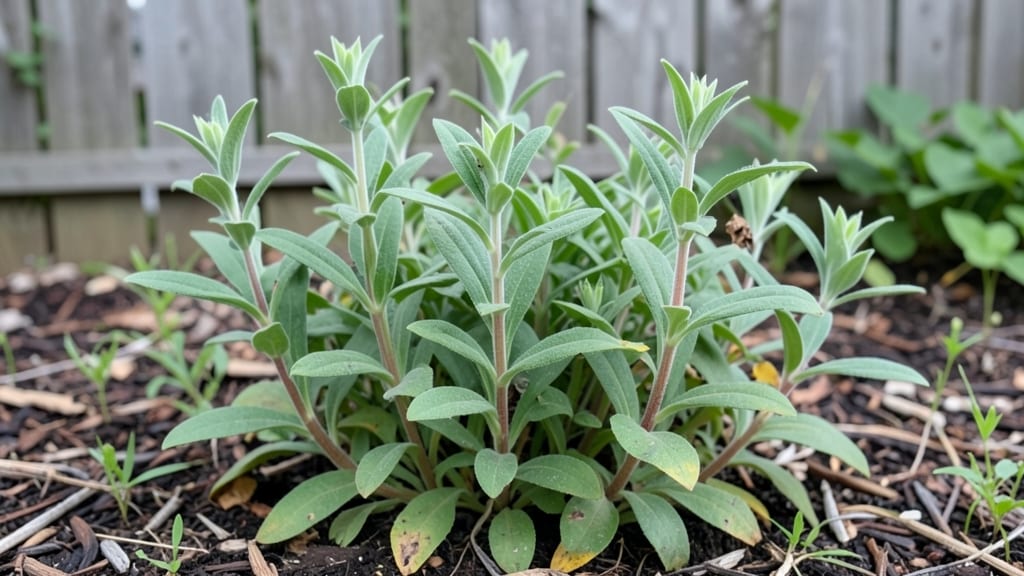
Beyond just its striking flowers, phlox’s foliage holds its own charm—especially when you’re planning your garden layout. 🌿 The leaves often appear in vibrant green hues, though some varieties like creeping phlox may show subtle purple undertones, adding a subtle contrast to the landscape.
This dense growth habit makes phlox a great ground cover or border plant even when not in bloom, as the leaves create a lush, textured backdrop that complements other perennials beautifully.
What’s fascinating is how the leaf arrangement varies by type: garden phlox typically displays leaves in whorled clusters around the stems, while creeping phlox spreads more horizontally with opposite leaf patterns.
This structural diversity isn’t just visually appealing—it also affects how you might prune or divide your plants for optimal regrowth in spring.
💡 In This Article
- Identifying Phlox Leaf Types and Structures
- Year-Round Care for Phlox Foliage
Identifying phlox leaf types and structures
Garden phlox and creeping phlox showcase dramatically different leaf structures that reveal their growth habits. Garden phlox (Phlox paniculata) typically displays whorled leaf arrangements, where 3-5 lance-shaped leaves radiate from a single point along the stem, creating a layered, fan-like appearance.
These leaves measure 2-4 inches long and 0.5-1 inch wide, with a slightly fuzzy texture caused by tiny glandular hairs that deter pests while reflecting sunlight to prevent overheating.
The foliage color varies significantly: standard garden phlox leaves are bright green, but varieties like 'David' or 'White Delight' may develop purple-tinged stems and leaves when exposed to cooler temperatures.
Creeping phlox (Phlox subulata), on the other hand, grows in opposite leaf pairs along sprawling stems, with needle-like leaves just 0.5-1 inch long that form dense mats. These leaves often appear silvery-blue-green due to a waxy coating that reduces water loss in their native rocky habitats.
Texture plays a crucial role in identification: garden phlox leaves feel softly velvety to the touch, while creeping phlox leaves have a firmer, almost leathery quality.
This difference stems from their evolutionary adaptations—garden phlox thrives in moist, well-drained soils where soft leaves maximize photosynthesis, while creeping phlox's tougher leaves survive harsh, dry conditions. 🌿 The hairiness of garden phlox leaves also creates microclimates that trap moisture, explaining why they often appear healthier in humid climates.
Seasonal growth patterns further differentiate these varieties. Garden phlox leaves emerge bright green in spring, darkening to deeper hues by summer, while creeping phlox maintains its silvery-blue tint year-round.
In autumn, garden phlox leaves may develop bronze or purple tones before dying back, whereas creeping phlox leaves often persist through winter, providing winter interest. This persistence is due to creeping phlox's semi-evergreen nature, a trait that makes it ideal for rock gardens where other plants would perish.
Here's how to spot the key differences at a glance:
- Leaf Arrangement: Whorled (garden phlox) vs. Opposite (creeping phlox)
- Leaf Shape: Lance-shaped (garden) vs. Needle-like (creeping)
- Texture: Softly fuzzy (garden) vs. Firmer/waxy (creeping)
- Color Range: Bright green to purple-tinged (garden) vs. Silvery-blue-green (creeping)
- Growth Habit: Upright clumps (garden) vs. Sprawling mats (creeping)
What most gardeners don't realize is that these structural differences directly impact care requirements. The dense, fuzzy leaves of garden phlox make them more susceptible to powdery mildew in humid conditions, while creeping phlox's waxy coating makes it far more drought-tolerant.
Understanding these distinctions helps you choose varieties that match your climate and maintenance preferences—whether you prioritize summer blooms or winter hardiness. 💫